

What is the best roof coating for shingles?

The best coating for roof tiles depends on the tile material; no single roof coating suits all tile types. The correct choice depends on whether your tiles are made of asphalt, wood, slate, concrete, clay, metal, or composite materials.
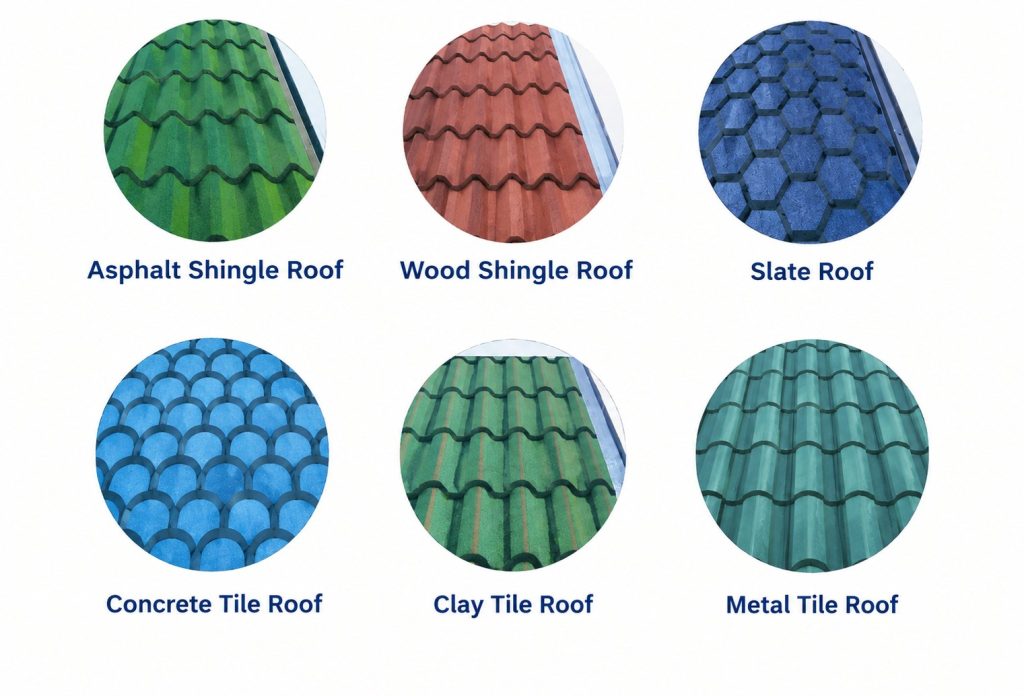
- For asphalt shingles, the best "roof coating" is usually no coating at all.
- Ordinary pitched tile roofs: Acrylic coatings are recommended.
- Low-slope or water-pooling roofs: Silicone coatings are more suitable.
- Concrete or cement tile roofs: A dedicated water-based acrylic roof tile coating is the best general choice.
Here is a detailed breakdown of tailored coating options, material characteristics, and pitfalls to avoid for each roof tile type:
Asphalt Shingles Roof: Typically No Coating
In the United States, "shingles" generally refer to asphalt shingles, the most common roofing material. These shingles are pre-engineered with a weather-resistant surface consisting of mineral granules embedded in an asphalt-coated fiberglass mat. Over time, they lose these protective mineral granules, curl, and dry out under the sun.
For standard residential asphalt shingles, the best "roof coating" is usually no coating at all. Applying non-factory liquid coatings will void the shingle warranty. Furthermore, asphalt shingles need to "breathe"; heavy elastomeric or silicone coatings trap moisture, accelerate rot, and cause premature shingle failure.
If asphalt shingles are leaking, curling, cracking, or shedding granules heavily, the correct remedy is typically repair or roof replacement, rather than coating. In certain commercial settings or on low-slope, non-warrantied roofs, high-solids 100% acrylic or silicone coatings are sometimes used. However, for standard sloped residential roofs, coatings are generally not recommended—it is best to save that money and perform a complete roof replacement after the tiles reach their 20 to 30-year lifespan.
Roof rejuvenation products are often marketed as being able to restore flexibility to aging asphalt shingles. However, the Asphalt Roofing Manufacturers Association (ARMA) and major manufacturers warn that field-applied coatings and rejuvenators have unpredictable results and are therefore not recommended. Rejuvenation may seem cheaper than replacement, but it complicates future inspections, repairs, warranty claims, and eventual roof replacement.
Special Note: Acrylic and elastomeric coatings are commonly used on metal roofs, low-slope commercial roofs, modified bitumen membranes, and some concrete tile roofs. However, this does not mean they are suitable for asphalt shingles. Even water-based acrylic products should not be applied to asphalt shingles unless explicitly approved in writing by the shingle manufacturer. The word "elastomeric" on the packaging does not prove compatibility. If a roof suffers from leaks, curling, bare spots, exposed fiberglass, or extensive granule loss, targeted repairs or re-roofing are necessary. Coatings cannot repair damaged underlayment, aging roof decks, wet roof boards, or failed shingles.
Wood Shingles & Shakes Roof: Breathable Penetrating Oils
Wooden roofs need to "breathe." Traditional heavy rubber elastomeric coatings completely seal the wood, trapping moisture inside and causing the wood to rot rapidly from the inside out. Therefore, you should use penetrating wood oils, water repellents, or low-viscosity breathable silicone treatments specifically designed for cedar shingles. Never use film-forming coatings or heavy elastomeric/acrylic coatings on wood shingles.
Wood shingles and shakes are naturally breathable, organic materials that readily absorb water, swell, and rot in damp environments. Their core protection relies on allowing internal moisture vapor to evaporate naturally, effectively preventing the wood from rotting due to moisture retention while resisting mold, algae, and wood cracking/brittleness.
Core Protection Requirements
- Allows moisture absorbed inside the wood to evaporate freely, completely eliminating internal rot caused by the "stuffy moisture" of traditional film-forming coatings.
- Effectively resists UV-induced fading and cracking while inhibiting the growth of mold, algae, and termites.
Prohibited Materials
- Strictly Prohibited: Latex paint, heavy acrylic elastomeric coatings, or polyurethane varnishes. These film-forming materials lock in moisture and cause wood shingles to accelerate rotting within 1–2 years.
- Avoid ordinary exterior paints or heavy, non-breathable coatings. Wood expands, contracts, and absorbs moisture; non-porous coatings can blister, peel, or trap moisture beneath the surface.
Recommended Product Types
- Penetrating Wood Oils (Linseed & Tung Oil Blends)
- Silicone-Modified Water Repellents
- Deep Penetrating Wood Sealers
- Breathable, UV-resistant solid stains (suitable when a colored finish is desired)
Application Tip: Before painting or treating, remove moss, algae, dirt, and loose coatings. First, replace cracked, rotted, or severely warped shingles. Wooden roofs require not only surface protection but also proper ventilation and drying conditions. Local building codes may apply (e.g., the Florida Building Code dictates that wood shingle installation must follow manufacturer instructions or recognized cedar shingle standards).
Slate Tiles Roof: Silane-Siloxane Breathable Impregnating Agents
Natural slate is extremely durable (often lasting a century or more), but over time, individual slate tiles can crack, delaminate, or leak around fasteners. Because slate surfaces are non-porous and smooth, ordinary rubber or acrylic coatings will peel off almost immediately.
If sealing is required to prevent freeze-thaw cracking (spalling) or weathering, a clear, breathable, and highly penetrating silane-siloxane sealer is ideal. It repels water while allowing internal water vapor to escape. In most cases, however, natural slate requires no coating at all. Locally repairing cracked tiles with copper flashing or slate hooks is usually much better than coating the entire roof.
Recommended Protective Products
- Clear Breathable Silane-Siloxane Impregnating Waterproof Sealers
- Nano-Stone Penetrating Waterproofing Agents
- Fluorocarbon Penetrating Surface Waterproof Protectants
Maintenance Recommendations
Natural slate is among the least suitable materials for roof coatings. In most cases, more appropriate measures include:
- Replacing damaged or slipped slate tiles.
- Repairing flashings and fasteners.
- Clearing debris from eaves and gutters.
- Inspecting the underlayment and roof structure.
- Removing biological growth using slate-safe methods.
Important Warning: Unless explicitly approved by the slate manufacturer or a slate roofing specialist, do not apply ordinary acrylic, elastomeric, silicone, or waterproof coatings to natural slate surfaces. Coatings mask cracks, alter appearance, reduce the evaluability of the slate, and create unstable moisture performance. Many slate roof failures are caused by damaged underlayment, corroded fasteners, or aging roof decking rather than a need for surface coating.
Concrete and Clay Tiles Roof: Water-Based Acrylic Elastomeric Coatings
Tile roofs (common in Spanish, Mediterranean, and modern architectural styles) are heavy, rigid, and prone to micro-cracks or sub-layer leaks. Both concrete and clay have high porosity. Acrylic coatings bond exceptionally well to masonry surfaces, provided a suitable primer is used beforehand. They seal micro-cracks, make porous tiles waterproof, and significantly reduce heat absorption in hot climates (especially with white or light-colored coatings). Because tiles are heavy, check the roof's structural load limits before applying multiple layers of liquid coatings.
Concrete and clay tiles are rigid, porous materials that, while sturdy, absorb water and undergo minor shifts and cracking during day-night temperature fluctuations. Water-based polymer emulsions cross-link to form a film, curing into a high-elongation, seamless rubber-like waterproof membrane when paired with a specialized bonding primer that penetrates the porous tile surface.
Core Performance Characteristics
- Superior Crack-Bridging and Waterproofing: Capable of stretching freely without breaking to accommodate micro-gaps caused by thermal expansion and contraction in concrete or clay tiles, completely preventing leaks.
- High Solar Reflectance & UV Resistance: Eco-friendly water-based coatings featuring excellent solar reflectance (Cool Roof) to drastically lower indoor temperatures and reduce heat buildup.
- Excellent Elasticity: Good elongation properties allowing the membrane to stretch freely with metal or concrete expansion and contraction without cracking.
Applicable Scenarios & Limitations
- Sloped Tiles: For standard sloped tile roofs with good drainage, acrylic coatings are recommended. They are generally easier to apply, easier to recoat, and better suited for reflective or colored tile finishes. Acrylic products designed specifically for tiles can be used on both concrete and unglazed clay tiles, with some offering breathability to allow baseline moisture to escape.
- Ponding Water Prohibition: Absolutely unsuitable for flat or low-slope concrete roofs with long-term ponding water. While silicone is better suited for low-slope, ponding-prone roofs, it is not ideal for individual tiles. Furthermore, cured silicone surfaces are very difficult to recoat later because many other products adhere poorly to them.
- Primer Required: The tile surface must be thoroughly cleaned and coated with a specialized bonding primer before application; otherwise, peeling or detachment may occur in windy or high-humidity environments. Do not apply generic silicone waterproof coatings directly onto tiles unless explicitly specified by the product instructions.
Common Product Types
- Acrylic Elastomeric Roof Waterproof Coatings
- Polymer Cementitious (JS) Waterproof Coatings
- General Purpose K11 Flexible Waterproofing Slurry
- Crystalline Waterproofing Coatings
For concrete, cement, and certain fiber-cement roof tiles, the optimal general coating is water-based acrylic roof tile coating. Suitable products should explicitly state applicability for concrete roof tiles, cement tiles, sloped tile roofs, and exterior masonry or cement roof surfaces. Acrylics are widely chosen due to their UV resistance, color retention, flexibility, and recoatability (some formulations suit concrete and unglazed terracotta, while others are restricted to concrete substrates).
Application Tip: Preparation is critical because concrete tiles can experience porosity, chalking, or algae growth. Standard procedures include cleaning, drying, repairing damaged blocks, applying a suitable primer when necessary, and thin-coating the finish. Do not use generic flat roof coatings simply because they bear the word "elastomeric"—always verify compatibility with your specific tile type and roof slope.
Metal Tiles Roof: High-Solids Silicone Coatings
Metal tiles mimic the appearance of slate, tile, or wood while offering the durability of metal, yet they remain vulnerable to rust and thermal expansion. Metal expands and contracts significantly with temperature changes. Flexible elastomeric acrylic coatings move with the metal to prevent cracking. For areas prone to heavy rain or ponding water, high-solids silicone coatings create an airtight waterproof membrane. Always apply a specialized rust-inhibiting primer to bare metal spots before rolling on the finish coat to prevent subsurface corrosion. Metal tiles have extremely high coefficients of thermal expansion, undergo violent deformation, and face long-term challenges from rust, fastener leaks, and ponding water.
Core Materials and Advantages
- Siloxane Polymer System: Contains no volatile solvents (high solids), curing into a high-density, inert rubber waterproof membrane that achieves seamless waterproofing. It offers the strongest resistance to long-term water immersion, non-decomposition, and hydrolysis among all roof coatings.
- UV Stability: Features exceptional ultraviolet stability, resisting chalking, brittleness, or cracking under intense sunlight to ensure a long-term waterproof lifespan of 15–20+ years.
Thermal Adaptation: Seamlessly accommodates the drastic thermal expansion and contraction of metal tiles, preventing the waterproof layer from being torn apart.
Limitations and Caveats
- Low Surface Traction: The cured surface has extremely low friction; caution and anti-slip safety measures must be exercised when walking on the roof later.
- Difficult Future Recoating: Silicone waterproof coatings possess strong surface inertness. If future recoating is needed, reapplying waterproofing over them is very difficult (typically requiring another layer of silicone coating).
Common Product Types
- High-Solids Silicone Roof Waterproof Coatings
- Water-Based 951 Polyurethane Waterproof Coatings
- SEBS Elastomeric Rubber Waterproof Coatings
- Butyl Rubber Waterproof Coatings (specifically for metal tile joints and screw fasteners)
For steel, aluminum, copper, or stone-coated metal tiles, use metal-specific roof coatings or paints. These products should provide adhesion to specific metals, anti-corrosion measures where appropriate, UV resistance, thermal expansion flexibility, compatibility with existing factory finishes, and primer systems suitable for galvanized steel, aluminum, or painted metals.
Application Warning: Do not apply acrylic tile coatings to metal tiles. Metal surfaces may require cleaning, light sanding, rust removal, and manufacturer-approved primers. For stone-coated metal tiles, their granular texture complicates product selection. Always follow the original roof manufacturer's maintenance guidelines, as over-cleaning or using incompatible coatings can cause stone granules to loosen.