
Foundation Waterproofing Membrane & Coatings
Foundation waterproofing helps prevent groundwater and soil moisture from penetrating below-grade structures. It is an important part of foundation construction, particularly where foundations are exposed to hydrostatic pressure or prolonged contact with damp soil.
Protect structural foundations from hydrostatic pressure, groundwater infiltration, and persistent soil dampness with our premium foundation waterproofing membrane systems and high-performance foundation coating solutions. Engineered specifically for below-grade structural elements, our heavy-duty foundation membrane and elastomeric membrane foundation products form a continuous, impermeable seal that prevents water intrusion, structural damage, and moisture degradation.
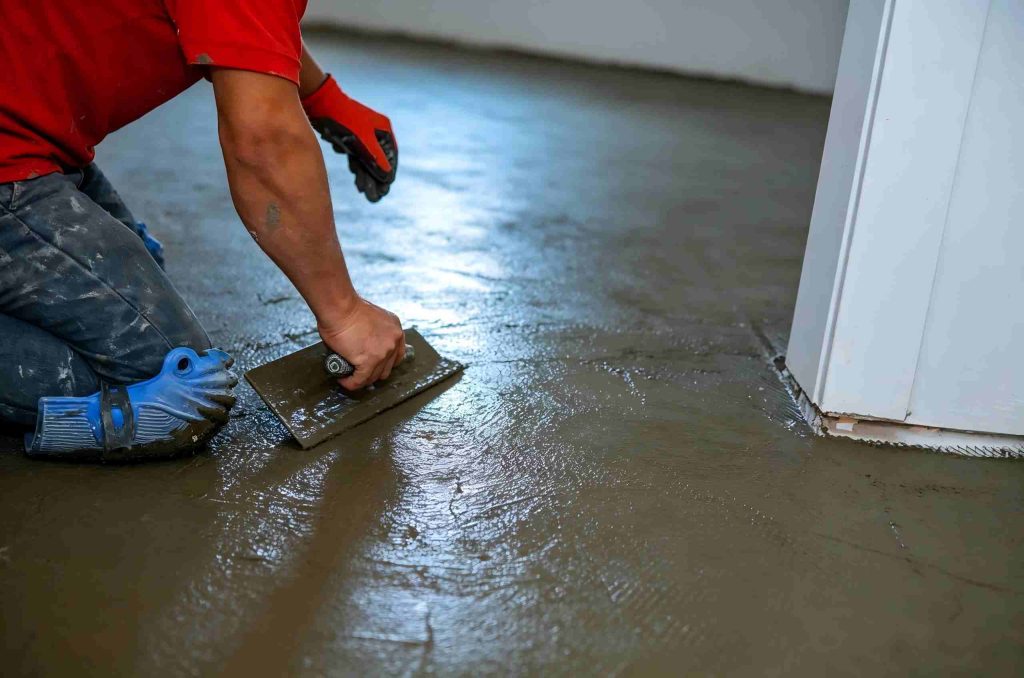
Foundation Waterproofing Application Steps by HUAYU Waterproof
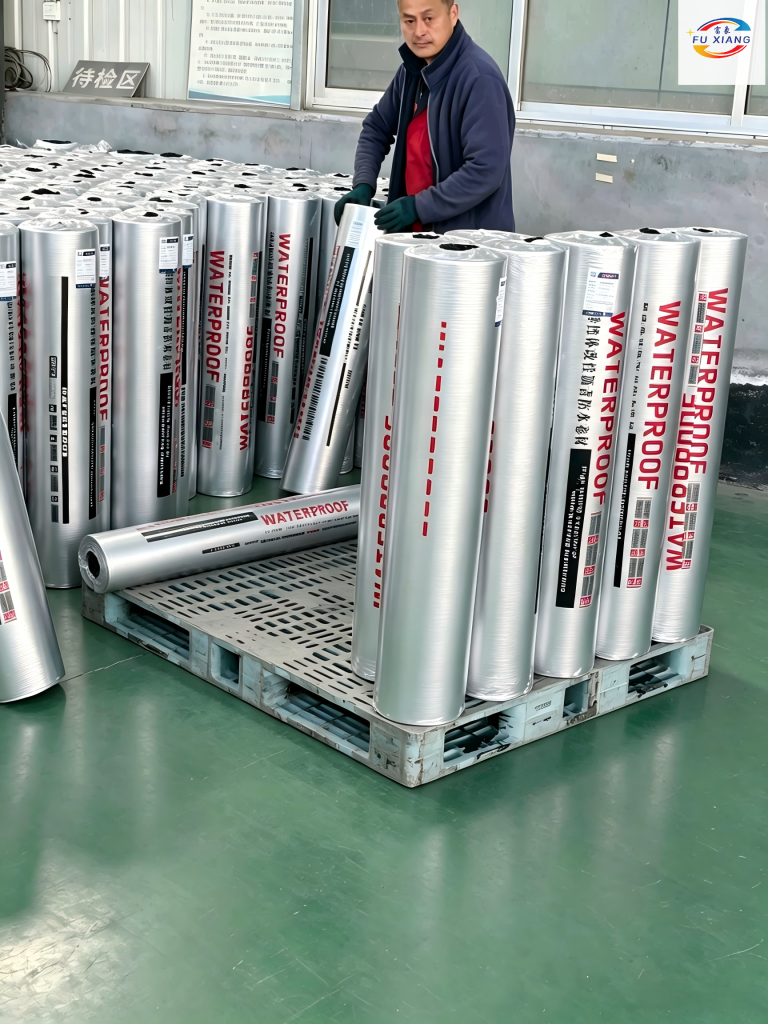
Our self-adhesive sheet foundation waterproofing membrane options and liquid-applied foundation coating materials deliver exceptional elasticity, superior crack-bridging performance, and long-term resistance to soil alkalis and ground chemicals. As a trusted material manufacturer, we empower your building projects with factory-direct trade pricing, certified product quality, large ready-to-ship inventory, and dedicated technical support.
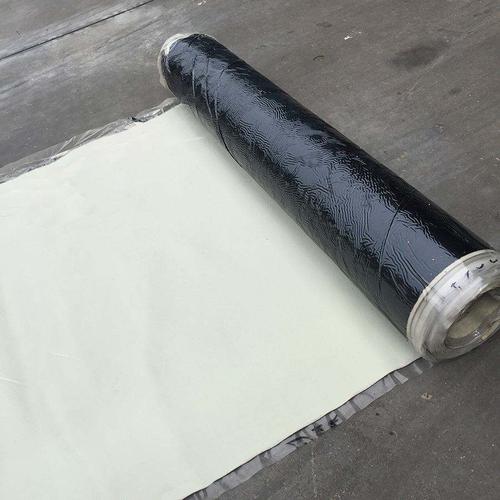
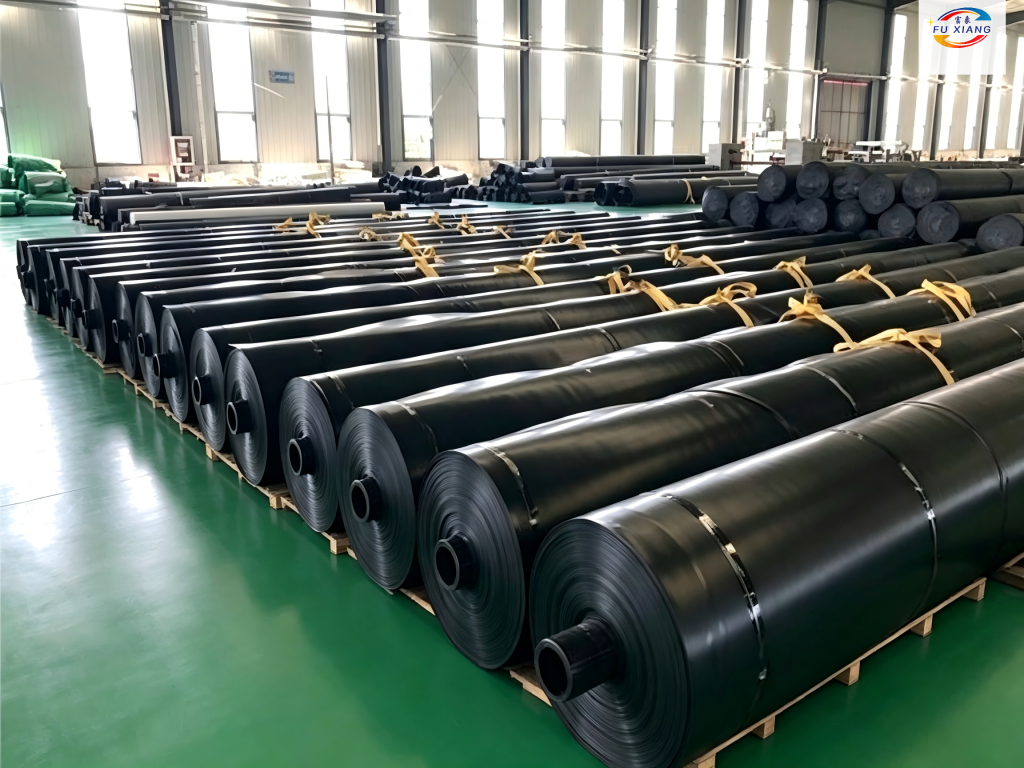
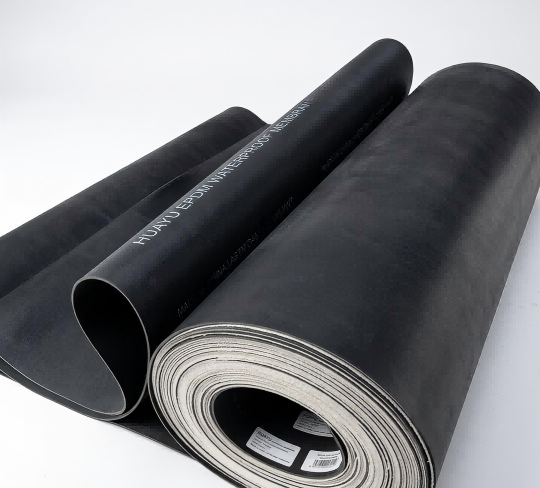
1. Select the Right Waterproofing Material
The waterproofing material is selected according to the foundation structure, soil conditions, groundwater level, and expected water exposure. Common options include waterproofing membranes and liquid-applied coatings, depending on the requirements of the project.
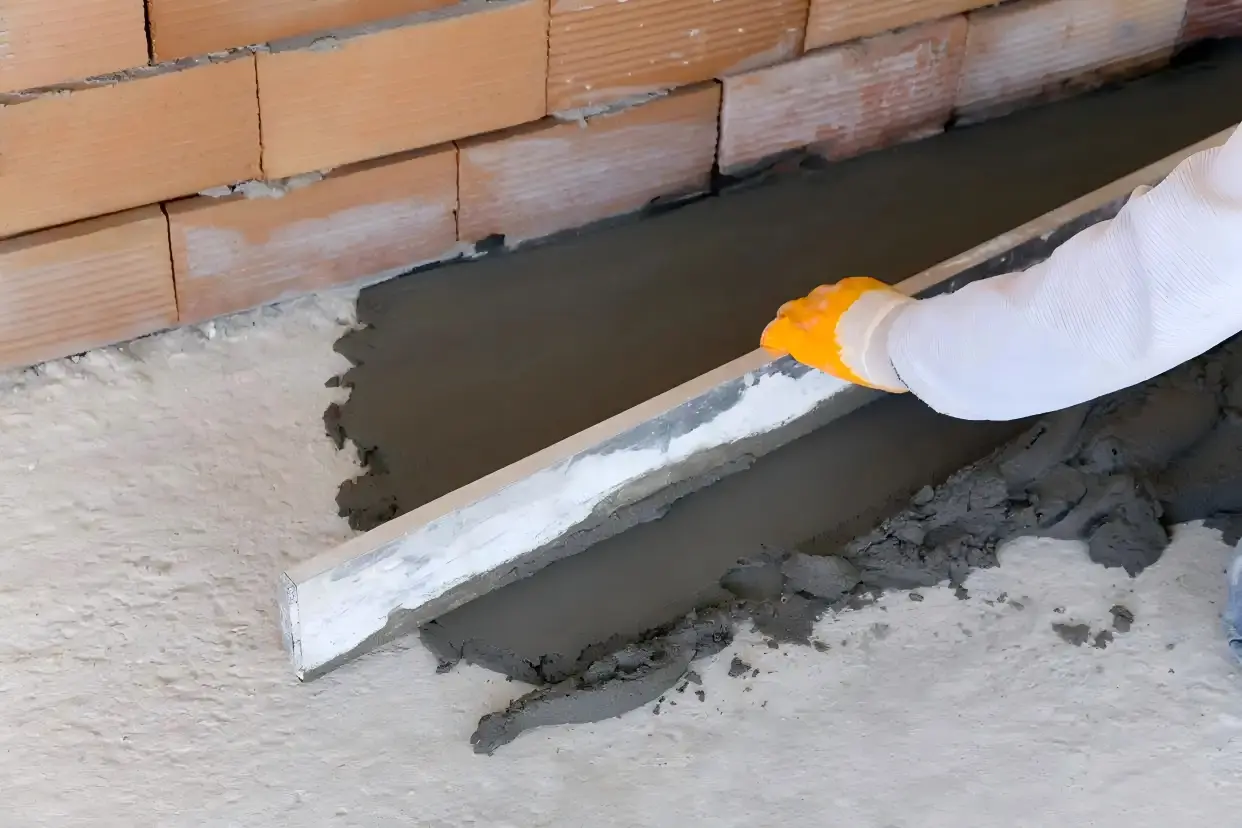
2. Prepare the Foundation Surface
Before waterproofing, the foundation surface should be cleaned and prepared. Dust, loose materials, standing water, cracks, and uneven areas should be properly treated to provide a suitable surface for the waterproofing system.
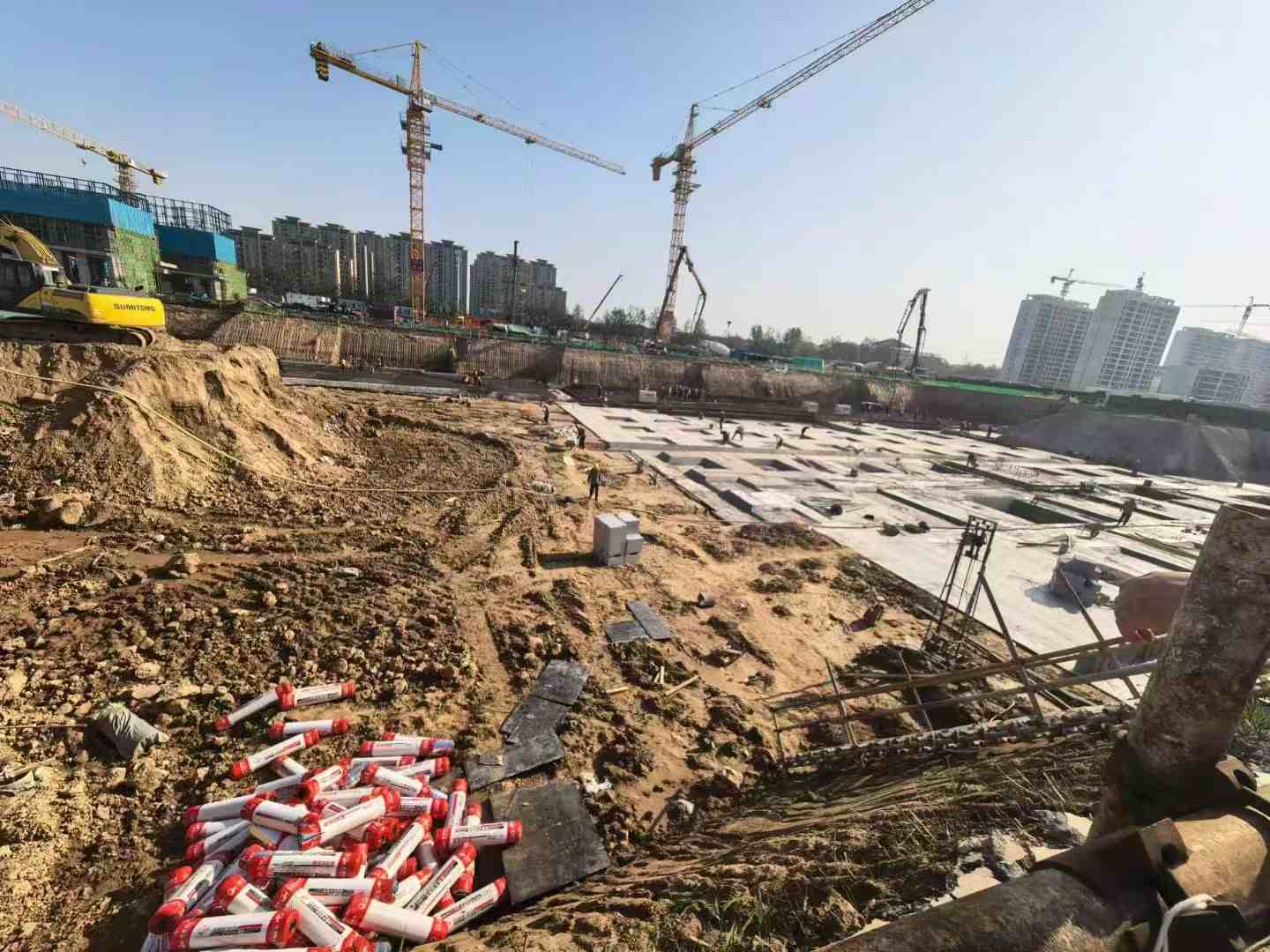
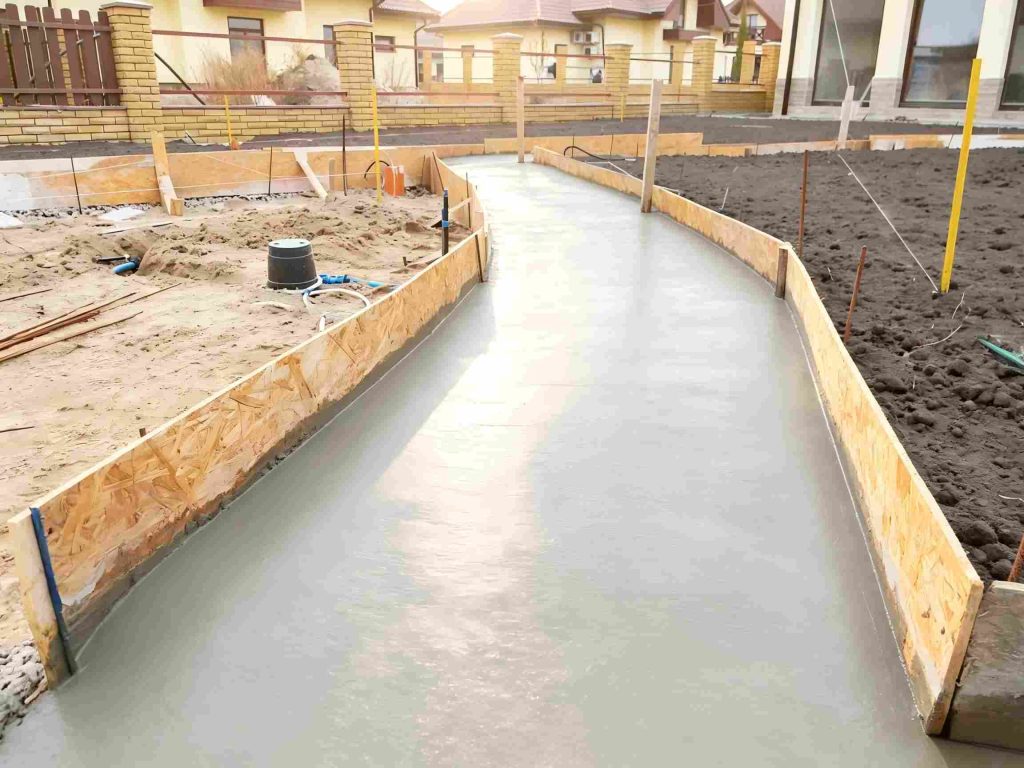
3. Apply the Waterproofing System
The selected membrane or coating is installed according to the required application method. During installation, attention should be given to coverage, membrane joints, corners, construction joints, and other areas where water may penetrate.
4. Inspect and Protect the Waterproofing Layer
After installation, the waterproofing layer is checked for gaps, damage, uneven application, and other defects. Once the inspection is completed, the waterproofing layer should be properly protected and the surrounding drainage system kept clear to reduce water pressure around the foundation.