

Waterproofing Solutions for Below-Grade Concrete Structures

Concrete structures that are located below ground level, such as basements, foundation slabs, underground parking lots, and utility rooms, are always subject to moisture because they are surrounded by the soil. If there is an abundance of water in the ground, hydrostatic pressure can force moisture into concrete floors, walls, and junctions. Even minor issues within the waterproofing system will result in leakage eventually.
However, the choice of a good waterproofing membrane is not limited to choosing an appropriate material. The nature of ground, concrete properties, and construction aspects will affect the performance of the waterproofing system.
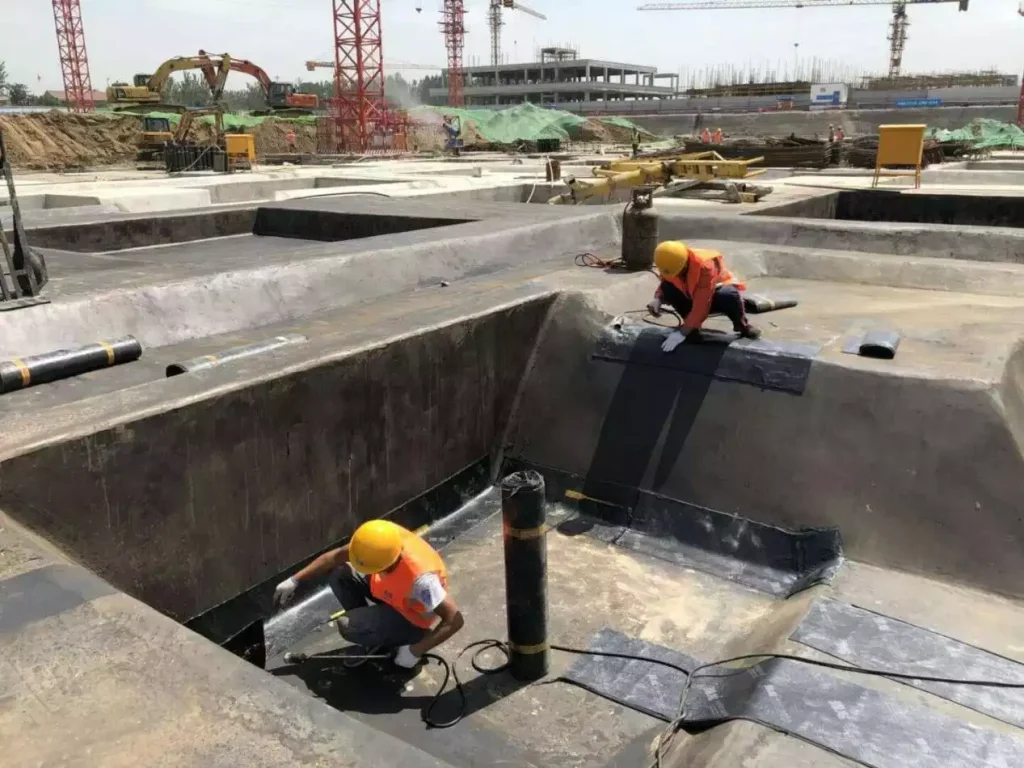
Common Waterproofing Challenges in Below-Grade Concrete Structures
Underground concrete structures face several conditions that make waterproofing particularly demanding.
Groundwater Pressure and Water Infiltration
When groundwater accumulates around a foundation, it creates pressure against underground walls and floor slabs. Water may enter through pores, cracks, or poorly sealed joints in the concrete. A waterproofing system must provide continuous protection and withstand the water pressure expected under actual site conditions.
Concrete Cracks and Structural Movement
A number of reasons like shrinkage, temperature change, settlement and movement may cause cracks in concrete. Such cracks provide possible entry ways for water. Waterproofing materials should be able to withstand the movements of the structure without compromising on their protective qualities.
Construction Joints and Pipe Penetrations
Weaknesses can be found at construction joints, expansion joints, and places where piping is going through concrete walls. If these elements are not well-sealed, water will be able to circumvent the primary waterproofing membrane and enter the building.
Common Waterproofing Systems for Below-Grade Concrete Structures
Different waterproofing systems are available for underground concrete applications. The selection depends on project design, installation conditions, and the required level of protection.
Sheet Membrane Waterproofing
Sheet-type waterproofing membranes are commonly used for waterproofing of foundation walls and underground floor slabs. Membranes such as HDPE and SBS modified asphalt can form a water barrier between the concrete structure and the surrounding soil and water.
According to the product form, membranes are divided into two types: pre-rolled and post-rolled. Pre-rolled membranes are laid before pouring concrete and can form adhesion with the post- poured concrete; post-rolled membranes are constructed on the treated concrete base surface.
For the waterproofing construction of the basement, it is necessary to pay special attention to the membrane jointing, corner construction, base surface treatment, and compatibility with concrete. Standardized construction is the key to ensuring the continuous effectiveness of the waterproof layer.
Liquid-Applied Waterproofing
Liquid-applied systems, including polyurethane and rubberized asphalt coatings, form a continuous waterproof layer after application and curing.
One advantage of these materials is their ability to cover irregular surfaces and complex structural details. They can be particularly useful around corners, penetrations, and areas where sheet membranes require additional detailing.
However, application conditions matter. Concrete surfaces should be properly prepared, and the coating must reach the specified thickness and cure according to the manufacturer’s requirements.
Cement-Based Waterproofing Systems
The cement-based waterproof coating is directly applied to the concrete base surface to form a waterproof protective layer. It is mainly used in underground projects and is particularly suitable for mineral-based substrates.
Products with different formulations can be used on concrete walls and other treated bases. However, not all cement-based coatings can withstand high water pressure or long-term static water pressure. Before selecting a product, it is necessary to check the product parameters against the project requirements.
Key Areas That Require Special Waterproofing Attention
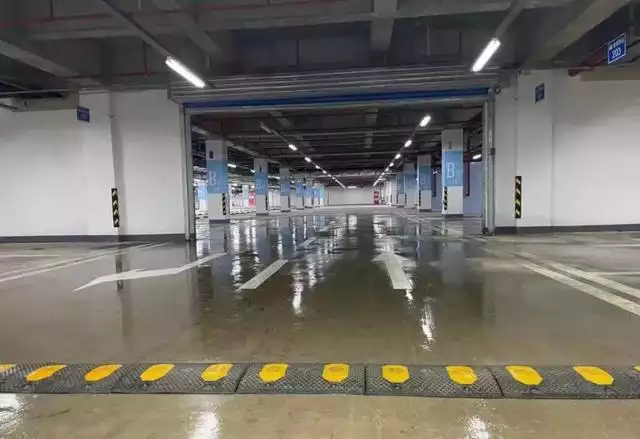
Even if the main waterproof layer is constructed properly, inadequate detailing can still lead to overall waterproof failure.
Wall-to-Floor Connections
The junction corners of the basement walls and slabs require meticulous treatment. The waterproof layer should be continuously connected horizontally and vertically; additional waterproof layers or sealing materials can be added according to the waterproofing plan.
Construction and Expansion Joints
Defects in the sealing of concrete joints can cause water leakage. Generally, a waterstop, sealant, and compatible waterproof components are used to reduce the risk of leakage.
Pipe and Utility Penetrations
When pipelines and cables penetrate the underground walls, they will disrupt the structure and waterproof layer. This location requires the use of special sealing components that are reliably connected to the surrounding waterproof layer.
How to Choose the Right Waterproofing Solution
There is no single waterproofing material suitable for every below-grade project. Several factors should be considered before making a selection.
- Groundwater Conditions: Groundwater levels, soil moisture, drainage conditions, and expected hydrostatic pressure influence the required waterproofing performance.
- Concrete Substrate Conditions: Surface flatness, moisture content, cracks, and structural joints affect material compatibility and installation methods.
- Project Requirements and Construction Methods: New construction and renovation projects may require different approaches. Pre-applied membranes, post-applied sheet membranes, and liquid coatings each have specific installation requirements.
The selected system should also be compatible with other construction materials and provide reliable protection at joints, corners, and penetrations.
Building Reliable Waterproofing Protection Below Ground
Proper waterproofing below-grade requires a suitable choice of materials, along with effective detailing and proper application. This is achieved through site evaluation and the selection of appropriate waterproofing membranes or coatings, which reduces the risk of water entry into underground concrete structures.