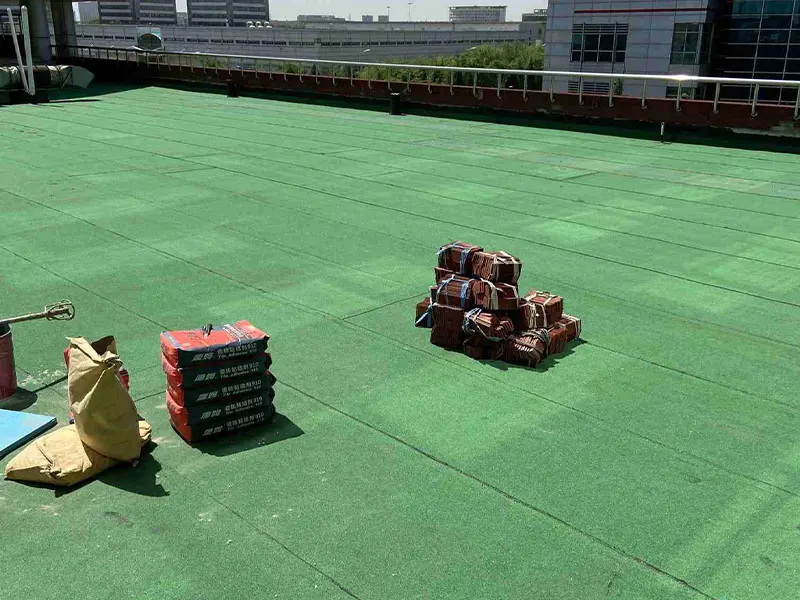

waterproof metal/steel roof coating & Membrane Sheet
Protect your zinc, iron, aluminum, and standing seam metal roofs with our professional-grade waterproofing membranes and protective coatings. Formulated to handle severe thermal movement, seam shifts, and fastener rust, our materials deliver a seamless, leak-proof barrier across all metal roofing substrates.
Our high-performance membranes and elastomeric coatings feature outstanding flexibility, strong UV reflection for energy savings, and superior resistance to corrosion, weathering, and aging. As a direct material supplier, we provide factory-certified quality, full-inventory stock, competitive pricing, and professional material selection support.
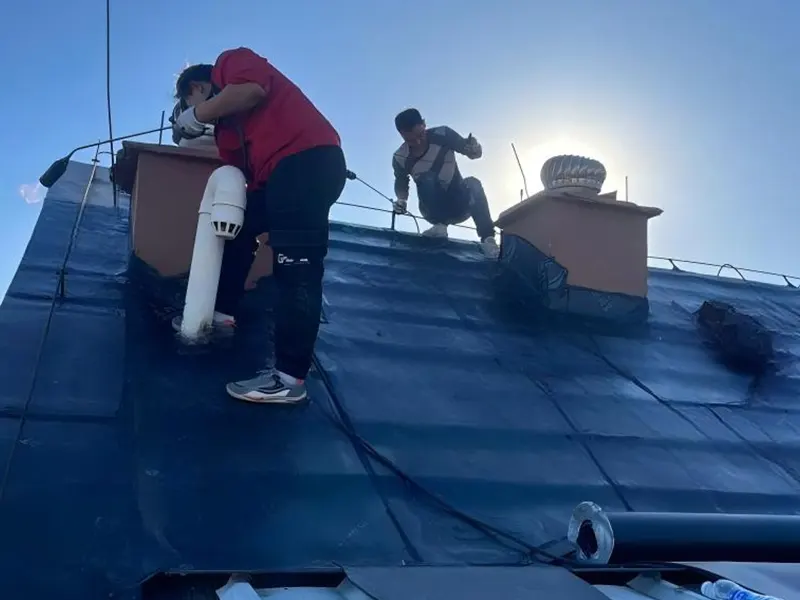
how to waterproof metal roofing?
Waterproofing a metal roof focuses primarily on panel seams, fastener holes, and rusted areas. Because metal experiences extreme thermal expansion and contraction, it is essential to select highly elastic waterproof coatings (such as elastomeric acrylic or polyurethane coatings) combined with reinforcing fabric to strengthen joints and seams.
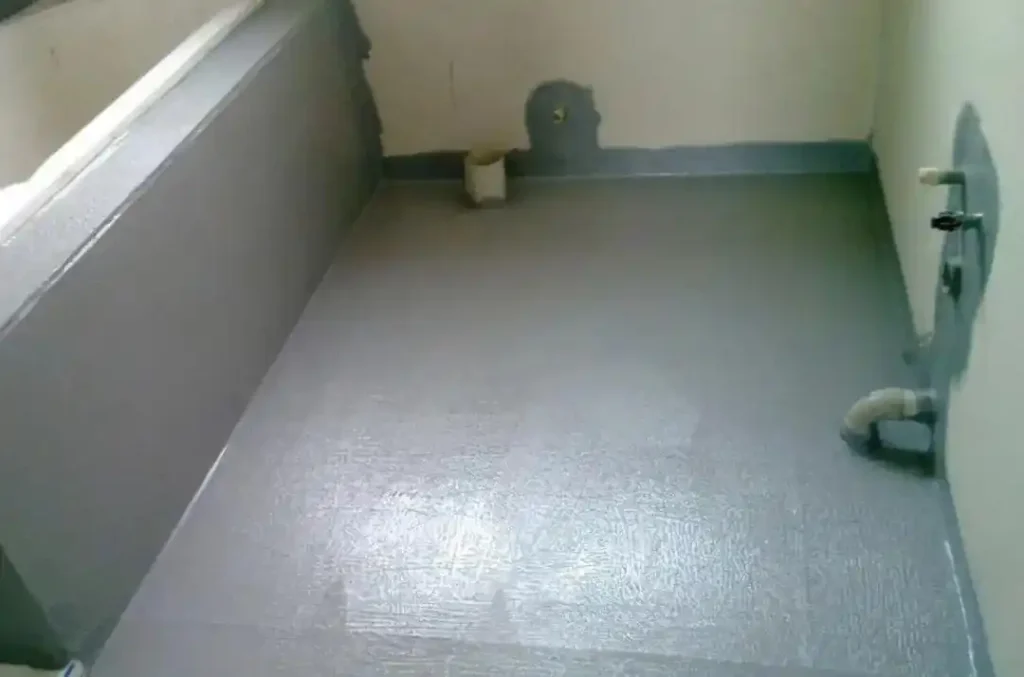
Surface Preparation & Rust Removal (Critical Foundation)
High-Pressure Washing: Thoroughly pressure-wash the roof (2,500 PSI or higher recommended) to remove dirt, debris, bird droppings, and flaking old coatings.
Rust Removal & Grinding: Use a wire brush or mechanical grinder to remove all rust down to bare metal.
Anti-Rust Primer: Apply a dedicated metal anti-rust primer over rusted areas or the entire roof to prevent secondary internal corrosion and coating failure.
Fastener & Screw Hole Treatment
Replace Deteriorated Fasteners: Inspect all fasteners and replace loose, rusted, or damaged screws with oversized self-tapping screws equipped with fresh rubber washers.
Detail Sealing: Spot-apply a thick layer of waterproof coating or sealant paste over and around every screw head.
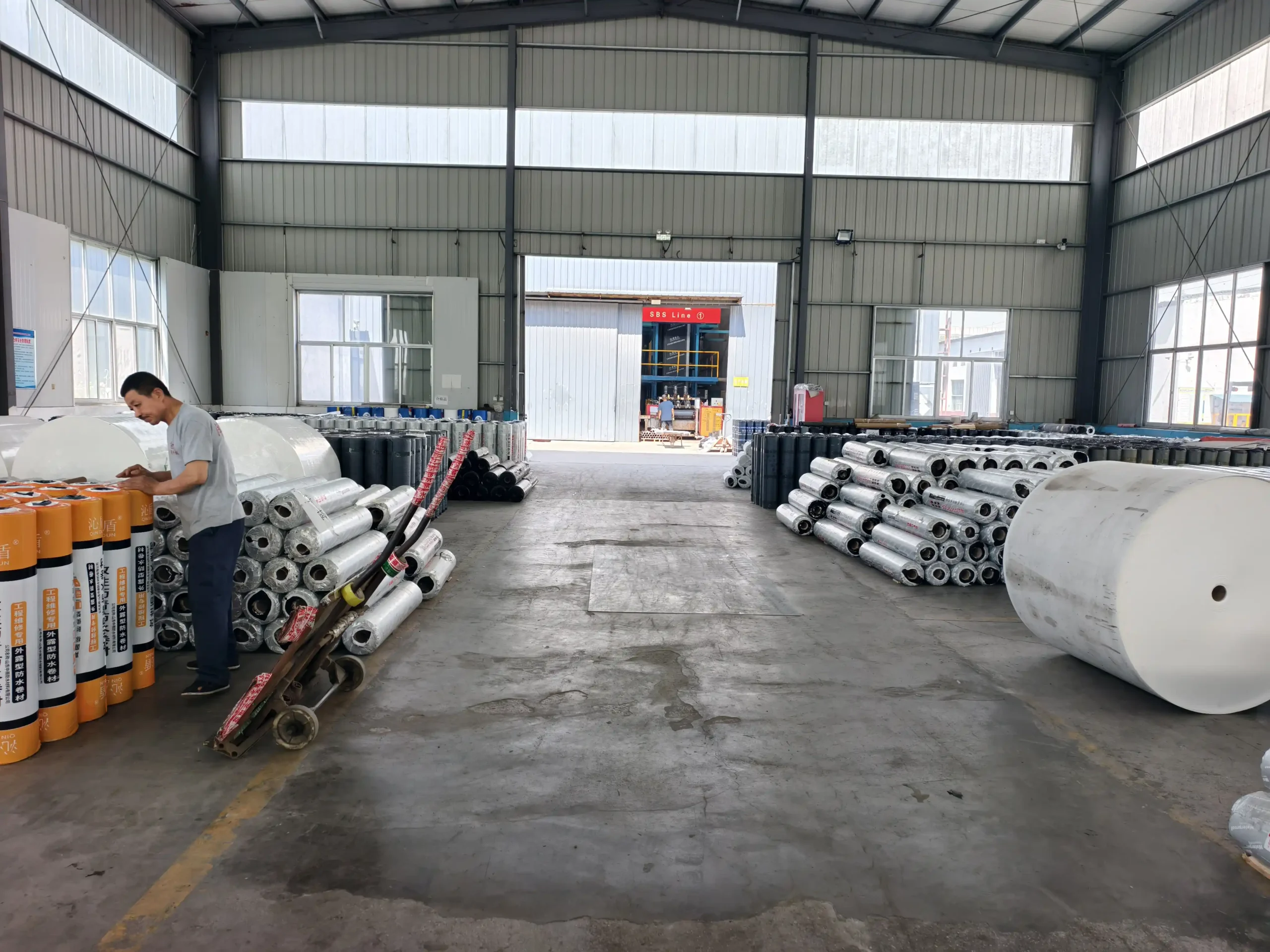
Seam & Lap Joint Reinforcement (Reinforced System)
Joint Reinforcement: Longitudinal/transverse panel laps, eaves, and gutters are the most vulnerable leak areas.
Fabric Reinforcement:
Apply a base coat of waterproof coating along panel seams.
While wet, embed a strip of polyester reinforcing fabric (or non-woven fabric) and press flat with a brush to smooth out air bubbles.
Immediately apply a top coat over the fabric to completely saturate and encapsulate it.
Full-Surface Coating Application
First Coat: Use a paint roller or airless sprayer to apply the first coat evenly across the entire roof surface.
Cross-Directional Second Coat: Once the first coat is fully dry (typically 4–8 hours depending on weather), apply the second coat perpendicular (crosswise) to the first coat.
Dry Film Thickness: Ensure the cured coating achieves a dry film thickness of 1.0 mm–1.5 mm, forming a seamless, highly elastic waterproof membrane.