
TPO vs. EPDM vs. PVC Roofing Membranes: Key Differences and How to Choose
TPO, EPDM, and PVC are the three most common types of single ply roofing membranes. Despite being used for similar purposes of waterproofing, these membranes have different physical characteristics, mechanical properties, methods of seaming, and resistance to various chemicals.
In order to choose the appropriate membrane, it is useful to understand its characteristics. This article will help with that.
TPO vs. EPDM vs. PVC: A Quick Comparison
| Comparison Factor | TPO | EPDM | PVC |
| Material Type | Thermoplastic polyolefin | Synthetic rubber | Polyvinyl chloride |
| Reinforcement | Often polyester-reinforced | Reinforced or non-reinforced | Often polyester-reinforced |
| Seam Joining | Hot-air welding | Adhesives or seam tape | Hot-air welding |
| Flexibility | Depends on formulation | High elasticity | Depends on formulation |
| Weather Resistance | Generally good | Good | Generally good |
| Chemical Resistance | Depends on product grade | Requires compatibility checks | Often suitable for grease-exposed environments |
| Common Applications | Commercial and industrial roofs | Large low-slope roofs | Commercial and industrial roofs |
These are general characteristics. Actual performance depends on membrane thickness, formulation, reinforcement, manufacturing quality, and product specifications.
Key Technical Differences Between TPO, EPDM, and PVC

Material Structure and Mechanical Properties
TPO is a thermoplastic polyolefin material, while PVC is made from polyvinyl chloride with additives to provide flexibility. Both are commonly available with polyester reinforcement to improve tensile strength and dimensional stability.
EPDM is a synthetic rubber membrane valued for its elasticity. It can accommodate certain types of substrate movement and temperature-related expansion.
For all three materials, tensile strength, elongation, tear resistance, and puncture resistance should be evaluated according to the intended application. Reinforced construction and membrane thickness can significantly affect these properties.
UV Resistance and Temperature Performance
All three membrane types are used in exposed roofing applications, but their resistance to sunlight, heat aging, and low temperatures varies by product formulation.
EPDM is widely recognized for its flexibility in cold conditions. TPO and PVC products also offer different levels of temperature and weathering resistance depending on their formulations.
For projects in regions with strong sunlight or significant temperature fluctuations, check the manufacturer’s UV resistance, heat aging, and low-temperature test data rather than relying on general material descriptions.
Chemical and Grease Resistance
Chemical exposure is particularly important for commercial kitchens, factories, and industrial buildings.
PVC membranes are often considered for roofs exposed to grease, oils, and certain chemicals. However, compatibility depends on the chemical type, concentration, and exposure conditions.
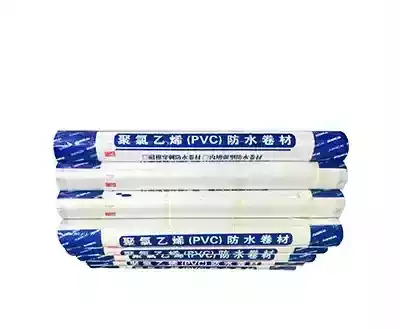
TPO and EPDM products also have specific chemical resistance characteristics. Buyers should confirm compatibility with the manufacturer before selecting a membrane for environments involving regular chemical exposure.
Installation Methods and Seam Performance
Seam construction is one of the main differences between these roofing materials.
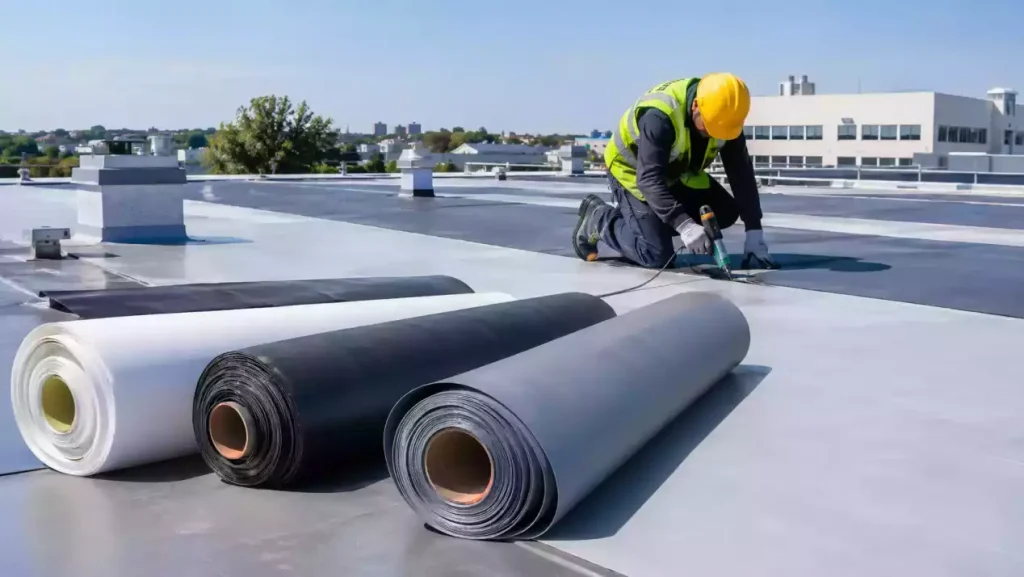
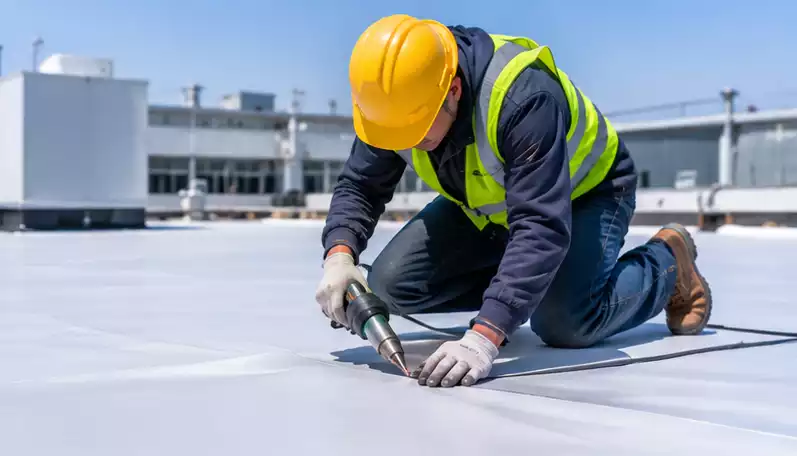
- TPO and PVC: As thermoplastic materials, they are commonly joined through hot-air welding. Proper temperature, welding speed, surface preparation, and seam inspection are essential for reliable bonding.
- EPDM: Seams are typically constructed using compatible adhesives, primers, or seam tapes. Clean surfaces and correct application procedures are important for achieving a secure bond.
Membranes can also be installed using mechanical attachment, fully adhered, or ballasted systems, depending on the roof design and manufacturer’s specifications.
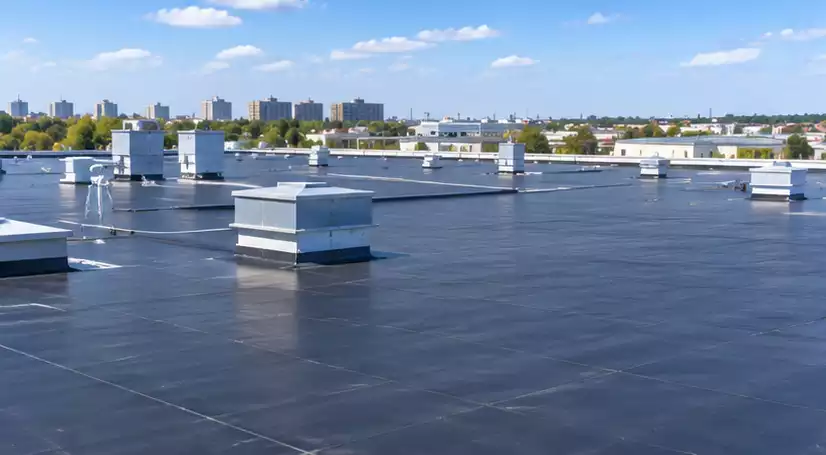
The choice of installation method should consider substrate conditions, wind uplift requirements, available equipment, and installer experience.
Key Factors to Consider When Selecting a Roofing Membrane
Before choosing between TPO, EPDM, and PVC, evaluate the following project requirements:
- Climate and roof exposure: Consider UV intensity, temperature changes, rainfall, and drainage conditions.
- Chemical exposure: Identify possible contact with grease, oils, cleaning agents, or industrial chemicals.
- Mechanical requirements: Evaluate rooftop traffic, maintenance frequency, puncture risks, and the need for reinforcement.
- Installation conditions: Check available equipment, installer experience, roof configuration, and construction schedule.
- Total project cost: Include membrane materials, accessories, labor, installation complexity, and future maintenance.
A membrane with a lower initial price may not necessarily offer the best overall value if it requires more complicated installation or additional protection measures.
What Should Buyers Check Before Selecting a Roofing Membrane?
When comparing products from different manufacturers, review the following information:
| Evaluation Item | Key Information |
| Technical Data Sheet | Product specifications and installation recommendations |
| Thickness | Whether it meets project requirements |
| Reinforcement | Reinforced or non-reinforced construction |
| Mechanical Properties | Tensile strength, elongation, tear and puncture resistance |
| Weathering Performance | UV resistance, heat aging, and low-temperature flexibility |
| Applicable Standards | ASTM D6878 for TPO, ASTM D4637 for EPDM, and ASTM D4434 for PVC |
| System Compatibility | Compatibility with adhesives, fasteners, insulation, and accessories |
| Quality Control | Production consistency and batch testing documentation |
The ASTM standards provide specifications and test procedures for the different membranes. Because test procedures are likely to differ, it is important that comparisons not be made between numerical results. For large projects or bulk buying, the manufacturing capacity, quality control procedures, and technical assistance provided by the manufacturer are critical factors.
Choosing the Right Roofing Membrane for Your Project
TPO, EPDM, and PVC each offer different advantages. The most suitable option depends on roof exposure, mechanical requirements, chemical contact, installation conditions, and project budget.
Rather than choosing based only on material type or initial price, compare the technical specifications and evaluate the complete roofing system.
HUAYU provides waterproofing materials for a range of building and infrastructure applications. Contact us to learn about our available waterproofing solutions or discuss your project needs with our team.