

What Causes Waterproofing Membranes to Fail? 7 Common Problems to Check

What Causes Waterproofing Membranes to Fail? 7 Common Problems to Check
Membranes that are waterproof are made to offer continuous protection from water, but sometimes membranes fail even after being installed. Leaks, peeling, cracking, and seam separation may indicate that there are problems, although not necessarily with the membrane itself.
In many projects, waterproofing performance depends on several factors working together: substrate condition, installation quality, seam treatment, structural movement, drainage, and the suitability of the membrane for the application.
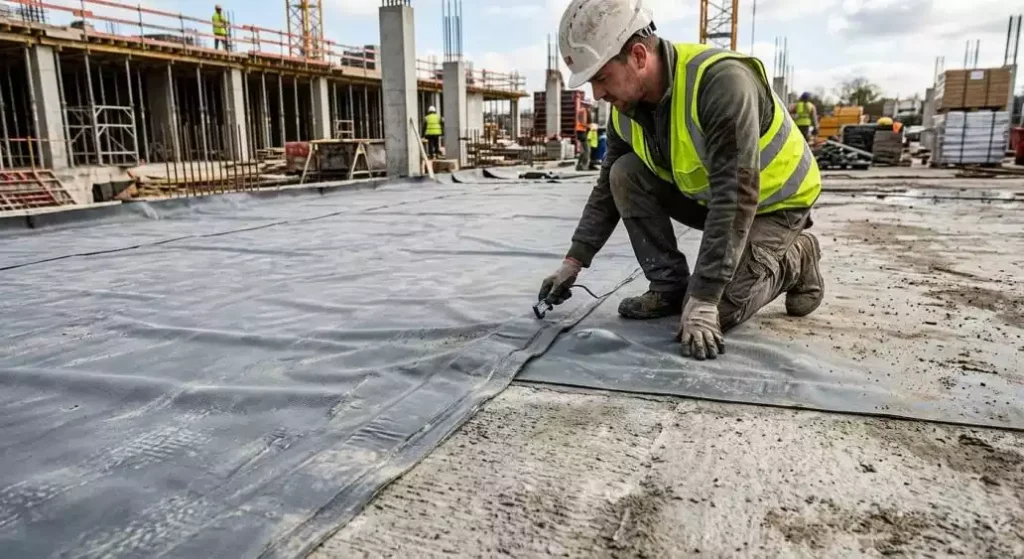
7 Common Causes of Waterproofing Membrane Failure
The knowledge of such factors makes it possible to detect the real problem rather than replace the whole waterproofing system unnecessarily. Below are seven possible problems that should be considered when a waterproofing membrane fails to work effectively.
1. Poor Substrate Preparation
Substrate acts as the base of the waterproofer. Dust, oil, loose concrete, sharp corners, excess moisture, and surface undulations will prevent bond formation or cause stress at particular spots.
Existing cracks also deserve attention. If cracks are active or likely to expand, simply covering them with a membrane may not be sufficient. The substrate and relevant joints should be assessed and treated according to the requirements of the waterproofing system.
Before installation, the surface should therefore be clean, stable, and suitable for the selected membrane and installation method.
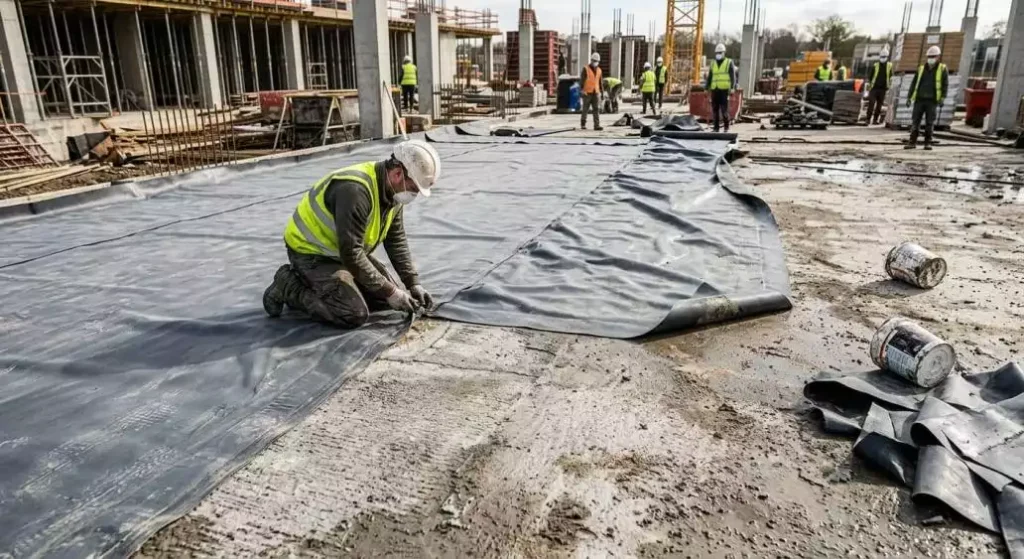
2. Improper Installation
Even a membrane with appropriate physical properties can perform poorly if it is installed incorrectly.
Some of the common faults include inadequate overlapping, lack of proper bonding, too many wrinkles, poor fixation, and poor choice of location for installation. The requirements are not the same for all membranes; therefore, it is advisable to apply the manufacturer's installation method for the specific membrane.
Particular attention should be paid to transitions, corners, penetrations, and other areas where the membrane cannot simply be installed as a flat continuous layer.
3. Weak Seams and Joints
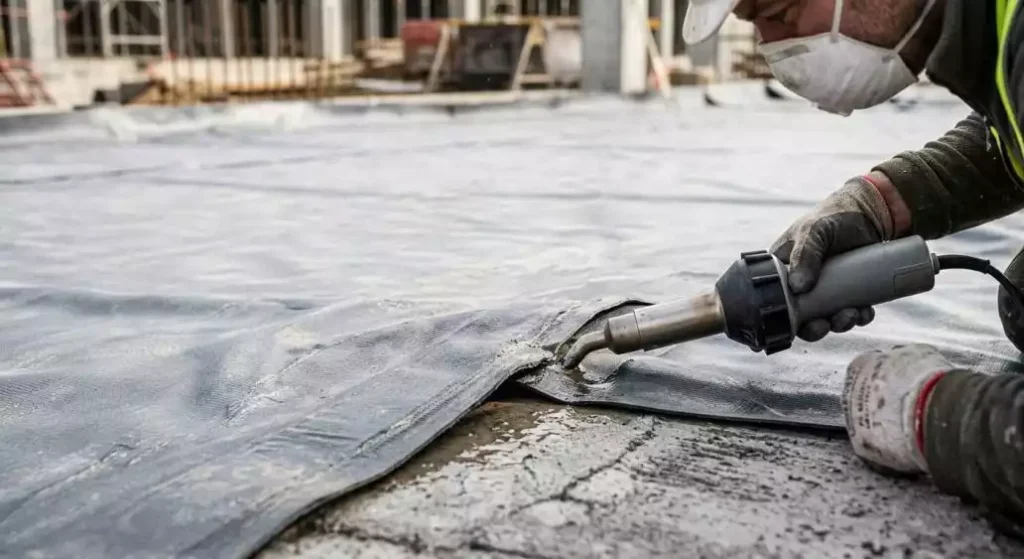
Seams and joints deserve careful inspection because they connect individual membrane sections and are often more vulnerable than the membrane surface itself.
A problem may arise because of no overlap, incomplete weld, insufficient application of glue, contamination, or improper surface preparation before the joining process. In case there is a bad joint, even though all other parts remain good, water will get through underneath the membrane.
Seam quality should be checked during installation rather than relying only on a final visual inspection.
4. Damage During Construction
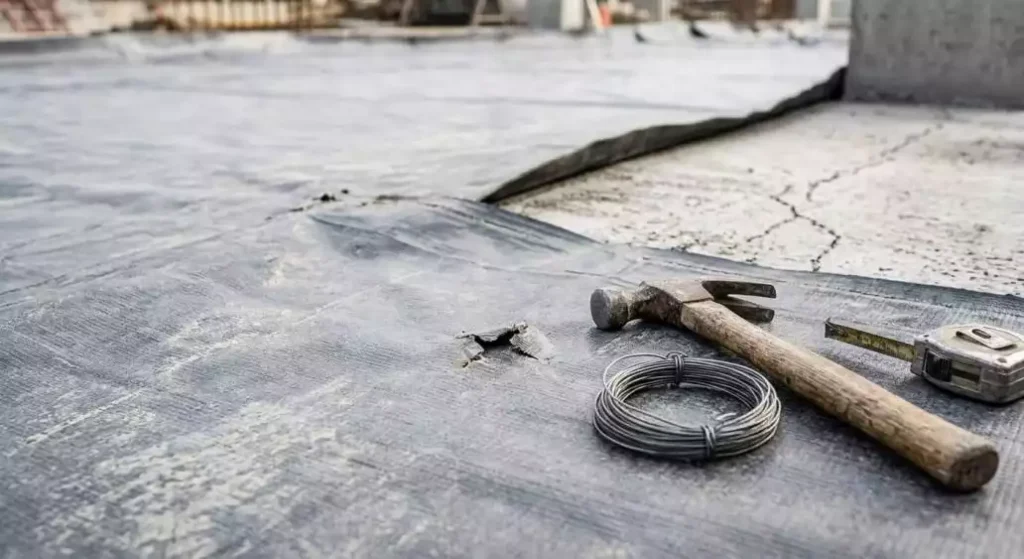
The membrane can be properly installed but could become damaged due to later construction works.
It may get punctured or cut due to the weight of people, tools, machines, sharp objects, or even from work done by other contractors. It is especially crucial when the waterproofing material is put on before flooring, protection, landscaping, and other finishings.
The membrane should be protected from unnecessary mechanical damage, and the completed waterproofing layer should be inspected before it is covered.
5. Structural Movement and Cracking
The application of waterproofing membranes can be done over substrates like concrete, which might undergo movement during the course of time. Shrinkage of concrete, temperature changes and movement at joints in structures might create stresses in the waterproofing material.
This is the reason why properties like elasticity, elongation, tensile strength, and crack bridging may be significant in some cases.
The appropriate performance requirements depend on the structure. A membrane intended for a relatively stable application may not be suitable for a project where significant substrate movement is expected.
6. Poor Drainage or Prolonged Water Exposure
Waterproofing and drainage should be considered together. If water cannot drain effectively, the waterproofing system may be exposed to standing water or higher water pressure for extended periods.
In cases of roofs, drain blockages and inadequate roof slope could also result in water pooling. Groundwater and hydrostatic pressure could add another factor that would affect the performance of the waterproofing system in case of basements and foundations.
Lack of adequate drainage systems does not necessarily mean that there is going to be any failure on the part of the membrane, but it may contribute to creating the conditions where the stress on the system increases.
7. Incorrect Membrane Selection
Not every waterproofing membrane is designed for the same environment. Choosing a product based only on its basic waterproofing function may overlook other conditions that affect long-term performance.
For example:
| Project Condition | Properties to Consider |
| Outdoor roofing | UV and weather resistance |
| Basement and foundation | Water resistance and crack-bridging capability |
| Swimming pools | Water and chemical resistance |
| Cold climates | Low-temperature flexibility |
| High-temperature environments | Heat resistance |
| Areas exposed to mechanical damage | Puncture and tear resistance |
The membrane should be selected according to the actual conditions of the project, including the substrate, climate, water exposure, structural movement, and installation method.
How to Check a Waterproofing Membrane When Leakage Occurs
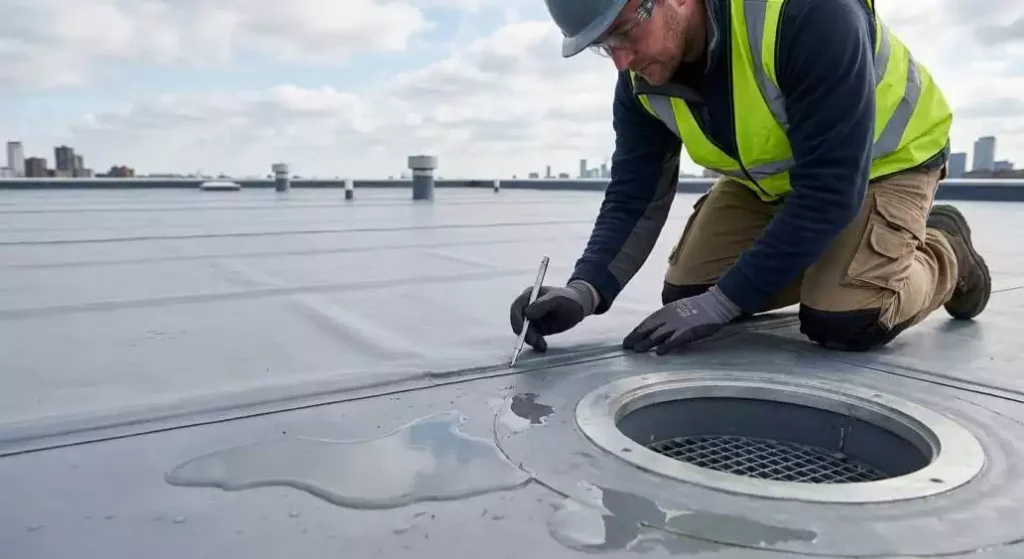
When a waterproofed area develops a leak, replacing the membrane immediately may not address the actual problem. Start by identifying where the water appears and then inspect the most likely weak points.
| Visible Problem | What to Check |
| Water leakage | Seams, joints, penetrations, damaged areas, and drainage |
| Peeling or lifting | Substrate condition and bonding |
| Cracks or tears | Membrane damage and substrate movement |
| Open seams | Overlap, welding, or adhesive bonding |
| Blisters | Moisture, trapped air, or installation conditions |
| Standing water | Drainage paths and surface slope |
It is also important to distinguish the location where water becomes visible from the location where water enters the system. Water can travel beneath a membrane before appearing at a wall, ceiling, or floor.
For this reason, troubleshooting should consider the surrounding membrane, seams, penetrations, drainage, and substrate rather than focusing only on the visible leak.
How to Prevent Waterproofing Membrane Failure
Most waterproofing problems can be reduced by controlling the conditions that affect the system before, during, and after installation.
1. Prepare the substrate properly.
Remove contaminants, loose material, and other conditions that may interfere with installation or adhesion.
2. Select the membrane according to the application.
Consider environmental exposure, structural movement, water pressure, temperature, and mechanical requirements.
3. Follow the specified installation method.
Overlap, bonding, welding, fixing, and detailing should follow the requirements of the selected membrane system.
4. Inspect seams and vulnerable details.
Corners, joints, penetrations, drains, and transitions require particular attention because they involve changes in geometry or connections between components.
5. Protect the completed waterproofing layer.
Prevent damage from subsequent construction work and make sure drainage systems remain functional.
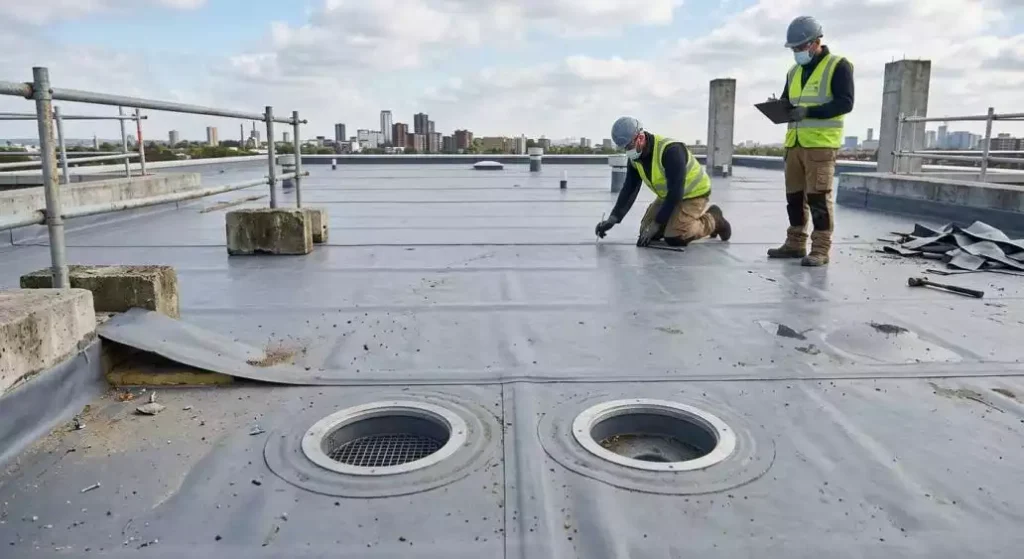
The reliability of any waterproofing system is based on much more than the membrane itself. The material, its condition, proper application, and various site-related details determine the end result. By recognizing these issues early on, construction teams can eliminate many unnecessary failures and choose waterproofing systems better equipped for the conditions.