

How to Waterproof the Joint Between a Foundation and a Wall

The problem of water entering the basement can occur due to the connection between the foundation and walls, which happens due to insufficient sealing of the construction joint, concrete cracks, or damage to the waterproofing membrane.
In order to prevent water from leaking in, it is necessary to find the reason for this issue and apply the appropriate waterproofing technique; however, this can be different for a newly constructed building or an existing one with water leakage problems.
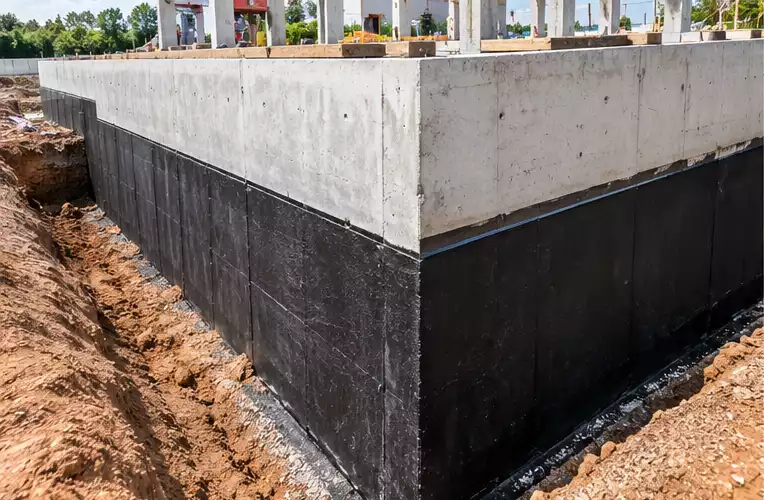
Why Do Foundation and Wall Joints Leak?
There are several reasons why water may enter through foundation and wall joints.
Poor construction joint treatment
In most constructions, the foundation slab is usually cast independently from the wall. When the connection between these two parts is not done correctly, water enters the small cracks formed in the concrete.
Cracks in the concrete
Concrete shrinks when it dries. Movement of the foundation and variations in temperature can result in cracking. When such cracks penetrate the interior of the basement, water leaks in.
Damaged or incomplete waterproofing
The waterproof layer must completely cover the joints and there should be no gaps. Unsealed joint areas of the membrane layer, damaged materials, and unprocessed edges and corners can all lead to water infiltration.
Groundwater pressure
When water accumulates around the walls of the basement, it exerts pressure on the foundation structure. This pressure causes water to seep out through weak joints and cracks, especially when drainage is inadequate.
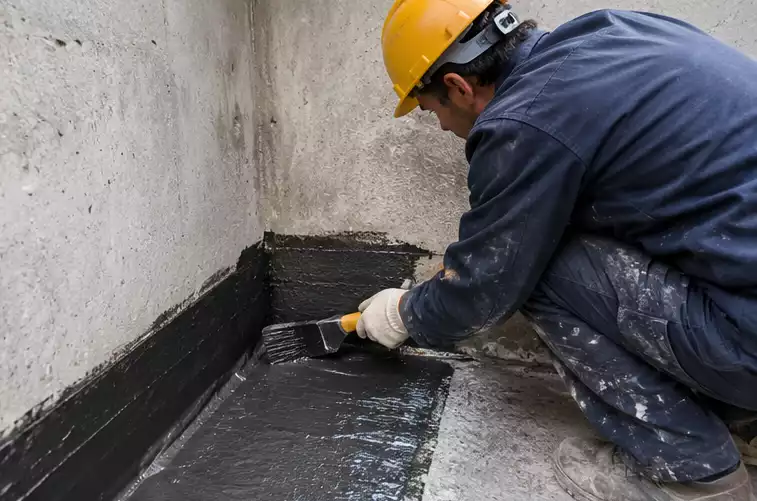
How to Waterproof the Joint Between a Foundation and a Wall
The right method depends on whether the building is still under construction or the basement already has a leak.
Prepare the Joint Surface
Before applying the waterproofing material, check if there are any cracks, loose areas or dirt on the concrete surface. Clean the surface and repair any defects that may affect the waterproofing effect.
If the basement is already leaking, the first step is to identify the leak point. The handling method for construction joints may be different from that of cracks or damaged waterproof layers. If the root cause of the leakage is not addressed, merely repairing the surface may not be able to stop the leakage.
Use Waterstops for Construction Joints
For new buildings, waterstops can help prevent water from passing through concrete joints. Depending on the design, contractors may use PVC waterstops, hydrophilic waterstops, or other suitable products.
Correct installation is important. The waterstop must stay in the right position during concrete pouring, and the concrete around it must be properly placed.
Waterstops are not a replacement for the entire waterproofing system. They work together with other waterproofing measures to protect the structure.
Apply a Continuous Waterproofing Layer
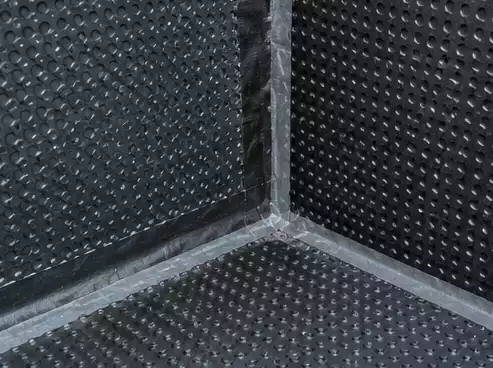
The waterproof layer must completely cover the junction between the foundation and the wall, without leaving any gaps.
For new buildings, a waterproof coating can be applied before the concrete is poured. Some coatings can bond tightly with the freshly poured concrete, preventing water from seeping into the interface between the coating and the concrete.
The corners and areas where the structure changes direction are the key construction points. They must be constructed in strict accordance with the product specifications to ensure continuous sealing of the coating at these locations.
For the waterproof repair of existing buildings, the plan should be determined based on the foundation conditions and whether there is an operation surface on the exterior wall. If conditions permit, it is preferable to redo the waterproof layer on the exterior wall to block the groundwater from entering the basement; if the exterior wall cannot be constructed, an internal repair plan should be adopted.
Seal Membrane Overlaps and Connections
Water can also get into the material due to poorly secured joints and connections. When laying the waterproofing material, ensure that you have adequate joints and follow the manufacturer’s guidelines when sealing them.
Care should be taken at the corners, pipe penetrations, and at areas where different materials meet. You should check whether the membrane material is intact before covering it with concrete, soil, or protection panels.
If there are damages on the membrane material, repair it before moving on to the next phase.
Improve Drainage Around the Foundation
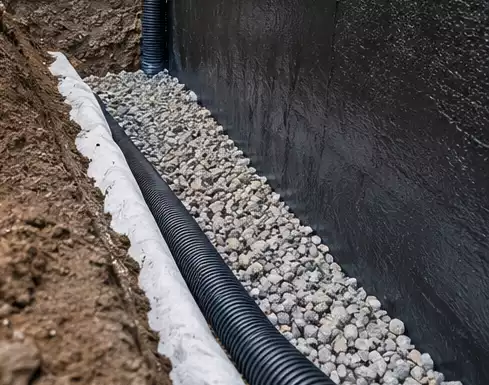
The best waterproofing effect is achieved when there is no water accumulation around the foundation. If the project design permits, the surrounding drainage system can help to drain the groundwater away from the building perimeter.
A drainage system alone cannot replace a complete waterproofing system. If the basement is subjected to groundwater pressure, the waterproof material must also be suitable for these conditions.
Which Waterproofing Materials Should You Choose?
Different materials serve different purposes. The choice depends on the construction stage, concrete condition, and amount of water exposure.
Pre-Applied Waterproofing Membranes
Pre-applied membranes are used in many new below-grade construction projects. They are installed before concrete pouring, and some products bond directly to the fresh concrete.
HUAYU offers pre-applied and wet-applied HDPE waterproofing membranes for suitable waterproofing applications. Before choosing a product, check its intended use and installation requirements.
Liquid-Applied Waterproofing Coatings
Liquid-applied coatings form a continuous layer over a prepared surface. It may be beneficial when you need to apply it to areas such as corners.
Nevertheless, not all coatings will be suitable for below-grade applications and continuous water pressure. You should always check if the particular coating fits your project.
Cementitious Waterproofing Materials
Cement-based waterproofing materials can be applied to suitable concrete surfaces. Their application depends on the product type and the requirements of the waterproofing system.
For joints subjected to significant groundwater pressure, using only a cement coating may not be sufficient to meet the requirements. Waterproofing strips, waterproofing sheets, or other joint treatment measures may also be necessary.
For existing basements with leakage, solutions may include crack repair, grouting, or exterior wall waterproofing. The appropriate method should be selected after identifying the source of the leakage.
Final Thoughts
The waterproofing in the connection of the foundation and wall must consider the root of the water penetration problem. Poor management of construction joints, concrete cracking, degradation of the waterproof membrane, and groundwater pressure may result in water leaks.
In the case of new structures, proper joint treatments, the right sealing strips, and waterproof coatings may prevent the seepage of water. For basements that already have leaks, the repair technique needs to change based on the source of the leak.
With the right materials and installation process, the foundation can be protected from water.