

How Environmental Exposure Affects Polyurethane Waterproofing Membranes

A waterproofing membrane may perform well when first installed, but its long-term performance depends on the conditions it faces every day. Sunlight, temperature changes, standing water, and movement in the underlying structure can all affect how well a waterproofing system performs over time.
Polyurethane waterproofing membranes are used in applications such as roofs, balconies, and concrete structures because they can form a continuous protective layer. However, not every product is suitable for every environment. Understanding how environmental exposure affects a membrane helps contractors, specifiers, and building owners make better decisions before installation.
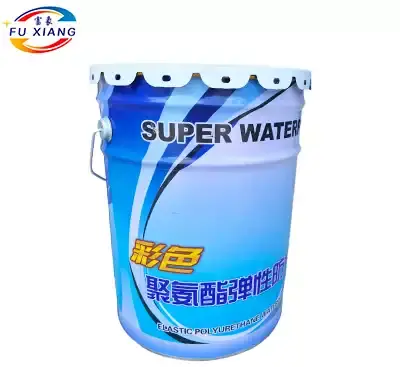
How UV Exposure Affects Waterproofing Membranes
UV radiation plays the major role in deteriorating the longevity of the outdoor waterproof sheets. The UV rays present in the sun will lead to the destruction of the organic polymers by breaking the cross-linking bonds within the molecules of the material.
Long-term exposure to the sun leads to surface aging
The roof and open platform, which will always be exposed to the sunshine, will be constantly accelerated by ultraviolet rays, leading to the premature aging of the waterproofing material. Depending on their composition, the sheets will either turn brownish in color, powder off, and become inflexible.
In the case of polyurethane waterproof sheets exposed directly, the ultraviolet resistance property is very important. Some are suitable for use in an outdoor environment and others that need to be coated further.
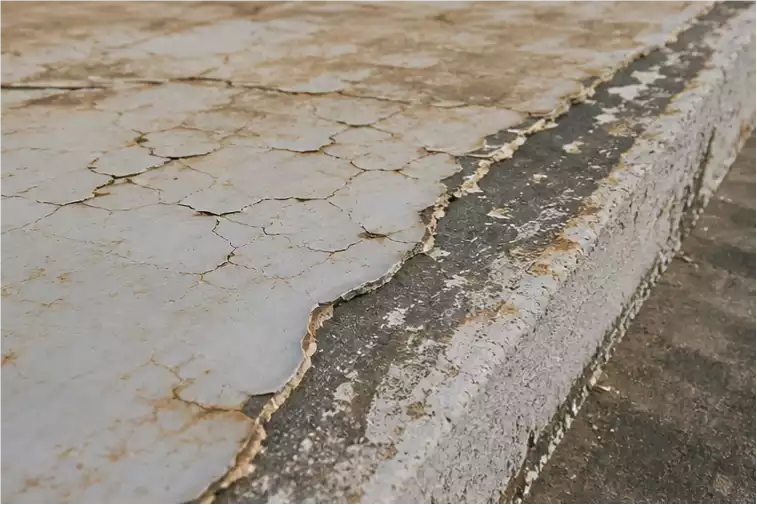
The differences in exposure environments are significant
In this case, the waterproof sheets installed under tiles or other coverings will be completely different from those that are installed exposed on the roof. Even though the material used as a cover will shield the ultraviolet rays, there are other aspects that need to be considered for the whole waterproofing system.
Do not jump into a conclusion and think that the “polyurethane waterproof membrane” is weather-resistant and durable without any other treatment. Consult the manufacturer’s information first.
The Impact of Temperature Changes
The roof panels, platform plates and bridge surfaces have to endure drastic temperature variations every day. Seasonal changes further amplify these fluctuations. The alternating cold and heat causes continuous tensile stress between the base layer and the waterproof layer.
High and Low Temperatures
The temperature acts on both the waterproof material and the surface of the base layer simultaneously. When exposed to direct sunlight, the roof temperature can exceed the ambient temperature; in low-temperature environments, some materials will harden and lose their flexibility.
This is crucial: The waterproof membrane must be able to adapt to various temperatures during its service period. Materials suitable for indoor mild environments cannot be directly used on exposed roofs with large day-night temperature differences.
Repetitive Cold and Hot Cycles
Construction materials such as concrete expand when heated and contract when cooled. Continuous deformation will pull the waterproof membrane and the bond layer between the membrane and the base layer, with joints, corners and structural transition positions being particularly affected.
When selecting liquid polyurethane waterproof membranes, pay attention to the actual temperature range of the project and the flexibility performance indicated by the product. The ambient temperature during construction cannot be ignored either. The laying and curing of the waterproof membrane must be controlled within the temperature range required by the manufacturer.
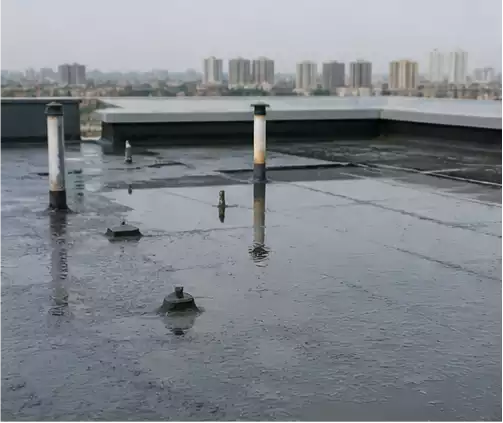
How Moisture and Standing Water Affect Membrane Performance
The waterproofing system itself has the ability to prevent water from penetrating. However, the chemical and physical hydrolysis damage caused by long-term water accumulation is completely different from the impact of short-term rainwater flow.
- Hydrolysis aging: Continuous water accumulation will cause long-term water pressure and soaking effects. Over time, water molecules will invade the polyurethane material with poor water stability, damaging ester or ether bonds, causing the material to expand, soften, and break the molecular chains, and eventually resulting in the detachment of the waterproof layer from the base layer.
- Bubble formation and steam pressure: The residual moisture from the concrete base layer construction is also a major hazard. After being heated by sunlight, the moisture below the impermeable elastic waterproof layer will turn into water vapor, generating upward pressure. If the base coat and moisture-proof treatment are not done properly, it is prone to pinholes, bond failure, and bubble formation of the waterproof layer.
Substrate Movement and Structural Cracking
Concrete is fundamentally dynamic. Shrinkage, settlement, dynamic traffic loads, and seismic vibration cause micro-cracks to develop continually within structural decks.
How Movement Affects the Membrane
Concrete itself will continuously undergo deformation. Drying shrinkage, settlement, vehicle dynamic loads, and seismic vibrations will constantly cause micro-cracks to form on the structural floor slabs.
Bridgeability of Cracks
The main benefit of good-quality polyurethane waterproof membranes compared to other waterproofing materials like rigid waterproof coatings and modified asphalt membranes is that they have good elasticity recovery and tensile strength (usually greater than 400% – 600%). If any small cracks develop on the surface, the membrane is able to span across the crack without tearing.
Dynamic Fatigue Issues
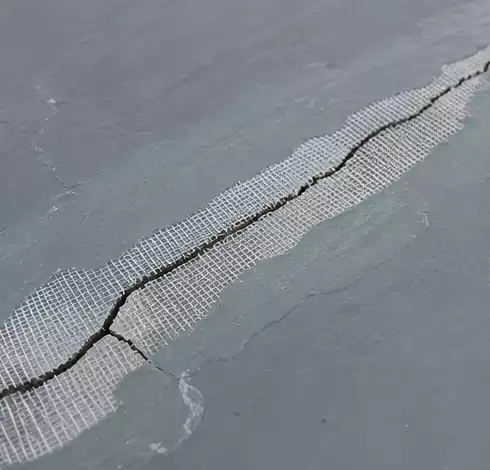
But when the structure experiences repeated displacement, the positions of the cracks will experience repeated tension and compression. Under repeated deformation over a period of time, poor-quality elastic coatings can become fatigued and torn in places where the expansion joints exist. It is therefore very important to build the nodes well. For instance, one may add glass fiber mesh or sealants around the expansion joint.
What Helps Polyurethane Waterproofing Membranes Withstand Environmental Exposure?
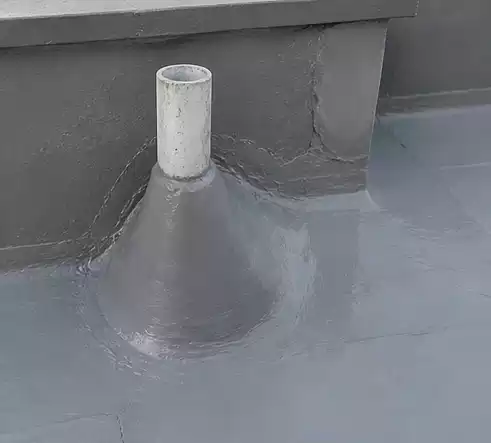
The waterproofing performance cannot solely depend on the material itself. The accompanying construction measures can effectively reduce the risk of premature damage.
- Select materials based on the actual exposure conditions. Assess whether there is direct sunlight, extreme temperature differences, long-term water accumulation, or substrate deformation on the site. Carefully check the product technical parameters and do not make a choice solely based on the material name.
- Perform proper base treatment. Remove floating dust, loose layers, and contaminants that affect adhesion, inspect cracks and the condition of the base surface, and if necessary, apply the corresponding primer.
- Ensure the coating thickness meets the standard. A too-thin coating will result in insufficient protection. Strictly follow the manufacturer’s requirements, control the coating process, re-coating interval, and curing conditions.
- Focus on handling weak nodes. For drainage outlets, pipe roots, corners, and joint positions, precise construction is required. Select appropriate sealing adhesives and reinforcing layers as auxiliary materials according to the system plan.
- Ensure adequate curing period. Do not allow the waterproofing layer to come into contact with water before the completion of its curing period. The rate at which the layer will cure will depend on the temperature and humidity prevailing at that particular site.
- Regular inspection and maintenance. Inspect the damage, blisters, and detachment of the top exposed layer; ensure that the drainage is free from obstruction and look into the potential hazards of water collection and leakage.
The Huayu Waterproof provides an elastomeric waterproof coating PU urethane with a polyurethane liquid membrane, which should be taken into account when making a selection for liquid-applied waterproofing systems. Considering the technical specification of the product and its compatibility with the planned application is crucial at this stage.