

Which waterproofing coatings are good for green roofs?

For green roofs, the best waterproofing "coatings" are actually root-resistant membrane systems rather than thin paint-like coatings. The most reliable choices are single-ply rubber/thermoplastic membranes (EPDM, TPO, PVC) and root-resistant modified bitumen (SBS/APP) systems. If the membrane itself is not certified for root resistance, it is typically paired with a dedicated high-density polyethylene (HDPE) root barrier.
First, How is Green Roof Waterproofing Different?
Green roofs retain soil, moisture, and live roots directly on the roof deck for decades. Regardless of the waterproofing material used, a green roof must prevent plant roots from invading and destroying the waterproof layer. Without proper root resistance, plant roots can penetrate the waterproofing, leading to leaks. Once a green roof is established, locating and repairing these leaks becomes extremely expensive.
Standard liquid waterproofing coatings (such as regular acrylic or basic polyurethane roof paints) are not designed to withstand long-term root penetration, nor can they endure the continuous moisture and loads of a vegetation system. Standard roof coatings face UV radiation and temperature fluctuations, whereas green roof coatings must endure these elements plus continuous moisture, organic acids, and plant root aggression.
What is Required for Green Roof Construction?
- Continuous, durable waterproofing layer capable of handling standing water and thermal expansion/contraction.
- Root resistance, either inherent (tested/certified) or achieved through a separate root barrier.
- Compatibility with drainage layers, growing media, and maintenance pathways.
- Root resistance (Anti-root properties): Plant roots naturally seek water and nutrients and easily penetrate standard membranes. Coatings must have chemical root-inhibiting additives or be paired with certified root barriers.
- Seamless integrity: Liquid-applied systems create a monolithic, fully bonded membrane with no seams, eliminating weak points around penetrations, parapets, and drainage outlets.
Two Main Methods for Root Resistance
1. Inherent Root-Resistant Membrane
- The membrane is tested and certified according to standards such as FLL (German Landscape Research) or EN 13948.
- Commonly found in EPDM, certain TPO/PVC, and selected modified bitumen products.
2. Standard Membrane + Separate Root Barrier
- A dedicated HDPE root barrier (typically $\ge 0.8\text{ mm}$) with welded seams is laid over the waterproofing layer.
- Required when the waterproofing layer itself is not root-certified.
Typical Green Roof Build-Up
The waterproofing layer is the critical line of defense; if it fails beneath a planted roof, the consequences are disastrous.
- Structural Deck / Sloped Layer
- Waterproof Membrane (Root-resistant or with a root barrier)
- Protection Mat / Cushion Layer (Optional, but recommended)
- Drainage Layer (Drainage grid or granular)
- Filter Fabric (Geotextile)
- Growing Medium (Substrate)
- Vegetation
Best Waterproofing Coatings & Membrane for Green Roofs
EPDM (Ethylene Propylene Diene Monomer) Membrane
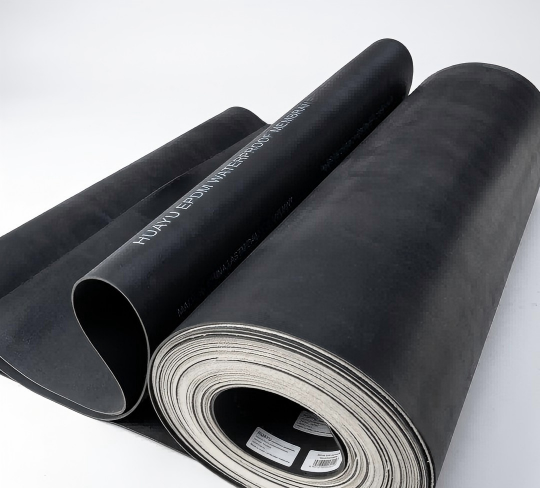
A synthetic rubber sheet, typically 1.0–1.5 mm thick, installed in large continuous sheets using adhesives or mechanical fasteners. It offers exceptional chemical and UV resistance, along with good flexibility in both cold and hot conditions. It boasts a long service life (30–50+ years) and is easy to repair. Many EPDM systems are inherently root-invasive resistant when tested against standards like EN 13948 / FLL.
- Pros: Large-scale green roofs on residential or commercial flat roofs; projects prioritizing long service life and low maintenance.
- Cons: Requires meticulous detailing at penetrations and edges. If uncertified, it must be specified as root-resistant or paired with a root barrier.
TPO and PVC Thermoplastic Single-Ply Membranes
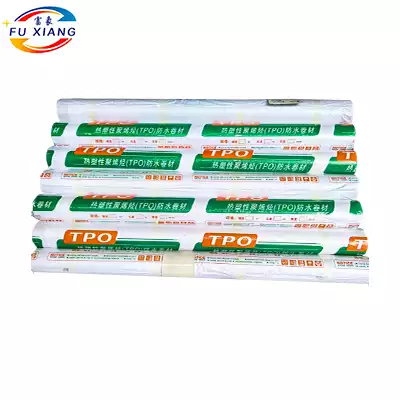
Heat-welded thermoplastic sheets (TPO = Thermoplastic Polyolefin; PVC = Polyvinyl Chloride), typically 1.2–2.0 mm thick. They feature extreme puncture resistance, clean heat-welded seams, and excellent UV and chemical resistance. Widely used in commercial roofing, many grades are root-resistant or can be paired with a separate HDPE root barrier.
- Pros: Medium to large commercial or institutional green roofs; roofs requiring high installation speed and seam integrity.
- Cons: Environmental concerns related to PVC (chlorine content) may affect specifications in certain projects; root resistance of the specific product must be confirmed.
Root-Resistant Modified Bitumen (SBS/APP) Membranes
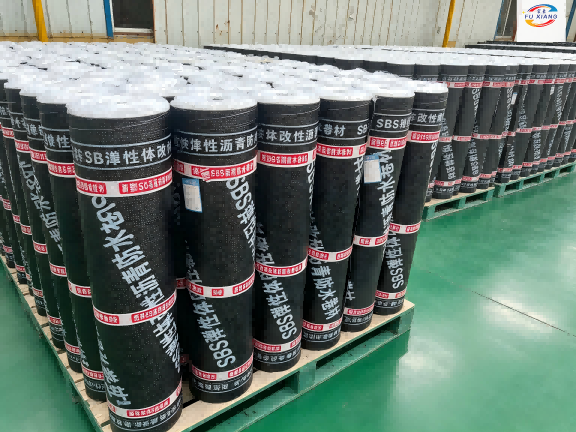
Polymer-modified asphalt-based sheets (SBS = Styrene-Butadiene-Styrene; APP = Atactic Polypropylene) reinforced with polyester or fiberglass, typically applied via torch-applied or self-adhered methods. They are extremely tough and puncture-resistant, handling foot traffic and installation loads very well. Some products are specifically formulated as root-resistant waterproofing membranes for vegetated roofs and are compatible with traditional composite roofing details and complex roof geometries.
- Pros: Intensive green roofs with deeper soil and lush plants; projects utilizing traditional asphalt roofing systems or in regions where torch-applied systems are common.
- Cons: Installation typically requires hot work (torches), demanding strict safety controls. Not all modified bitumen products are root-resistant; you must specify a root-resistant grade or add a root barrier.
Liquid-Applied Membranes (Polyurethane / Rubberized Asphalt)
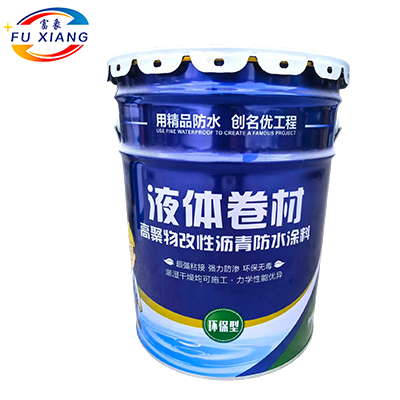
Solvent- or water-based liquid systems applied via spraying or rolling to form a seamless, elastic layer, including polyurethane, polymer-modified asphalt, and rubberized asphalt. They provide seamless coverage, making them ideal for complex shapes, parapets, and penetration details. They offer good adhesion to concrete and various substrates, allowing for intricate detailing. Some systems are designed or tested for use on green roofs when paired with a root barrier.
- Pros: Retrofitting green roofs with numerous obstacles (pipes, curbs, equipment); situations where roof waterproofing detail work is difficult to handle.
- Cons: Root resistance typically relies on a separate HDPE root barrier; very few liquid systems completely prevent root intrusion over decades. Performance is highly dependent on application quality, thickness control, and curing conditions.