

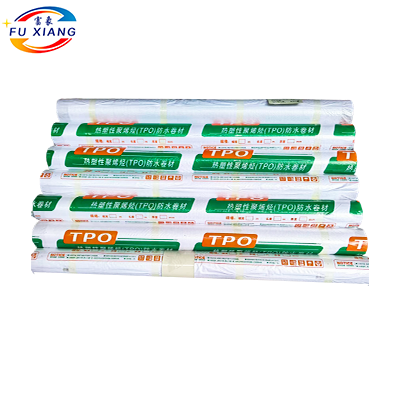
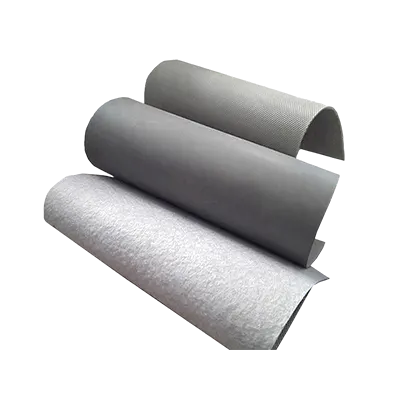
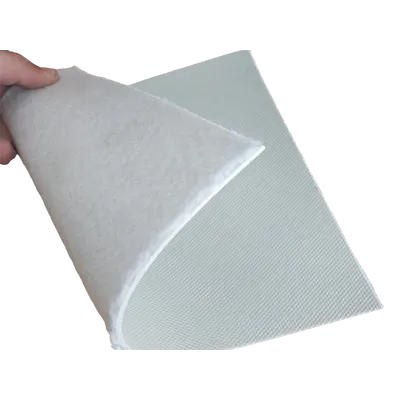
TPO Waterproofing Membrane
Thermoplastic Polyolefin (TPO) waterproofing membrane (abbreviated as TPO waterproofing membrane) is manufactured from TPO resin as the base material, which combines the weatherability and heat resistance of ethylene-propylene (EP) rubber with the weldability of polypropylene. In the early 1990s, it was applied to roofing waterproofing projects using mechanical fastening installation methods. Because it possesses both the weatherability of EPDM (ethylene-propylene-diene monomer) rubber and the weldability of plastic waterproofing membranes, it offers reliable waterproofing performance and outstanding aging resistance, which has contributed to its rapid development. With its excellent physical and chemical properties as well as environmental friendliness, this membrane has become the fastest-growing waterproofing material in the world today.
Product Features
Applications
Application Method
Roofing works (GB50207-2002)
(1) The strength, thickness, moisture content, and other parameters of the substrate must meet national standards and design requirements before installing the PVC waterproofing membrane.
(2) Determine the laying direction and sequence. Position the membrane naturally on the substrate according to the waterproofing layer outline. Keep it flat and straight without bending. Overlap according to the width required by the standard.
(3) Fix the membrane according to the selected method, such as mechanical fastening, full bonding, or strip bonding.
(4) The welded overlap area of the membrane shall be wiped clean and dry. Use hot-air welding. During welding, the nozzle shall be at a 45° angle to the welding direction. The pressure roller shall be parallel to the nozzle and maintain a distance of approximately 5 mm. A bright, molten bead shall appear at the welded edge. Burn marks shall not occur.
(5) The membrane termination points shall be secured with battens, sealed with sealant, and closed with cement mortar.
(6) After completing the waterproofing work for the entire project, conduct a comprehensive quality inspection and make necessary corrections.
Below-grade works (GB50208-2002)
(1) The strength, thickness, moisture content, and other parameters of the substrate must meet national standards and design requirements before installing the PVC waterproofing membrane.
(2) Select the appropriate application method according to the waterproofing location, following the GB50208-2002 standard.
(3) The membrane overlap width shall be 100 mm. The lower membrane shall overlap the upper membrane.
(4) Multi-welding is recommended for overlap joints. The width of a single weld shall not be less than 100 mm.
(5) The PVC waterproofing membrane shall be laid smoothly and firmly fixed to the substrate. There shall be no sagging, tensioning, or damage. Only after inspection and confirmation may the next step proceed.
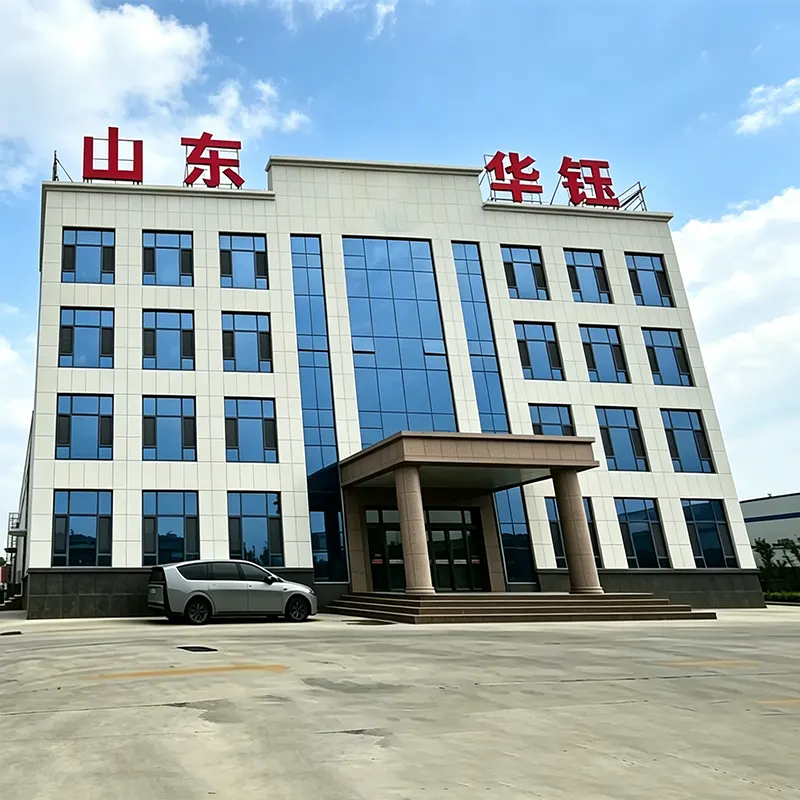
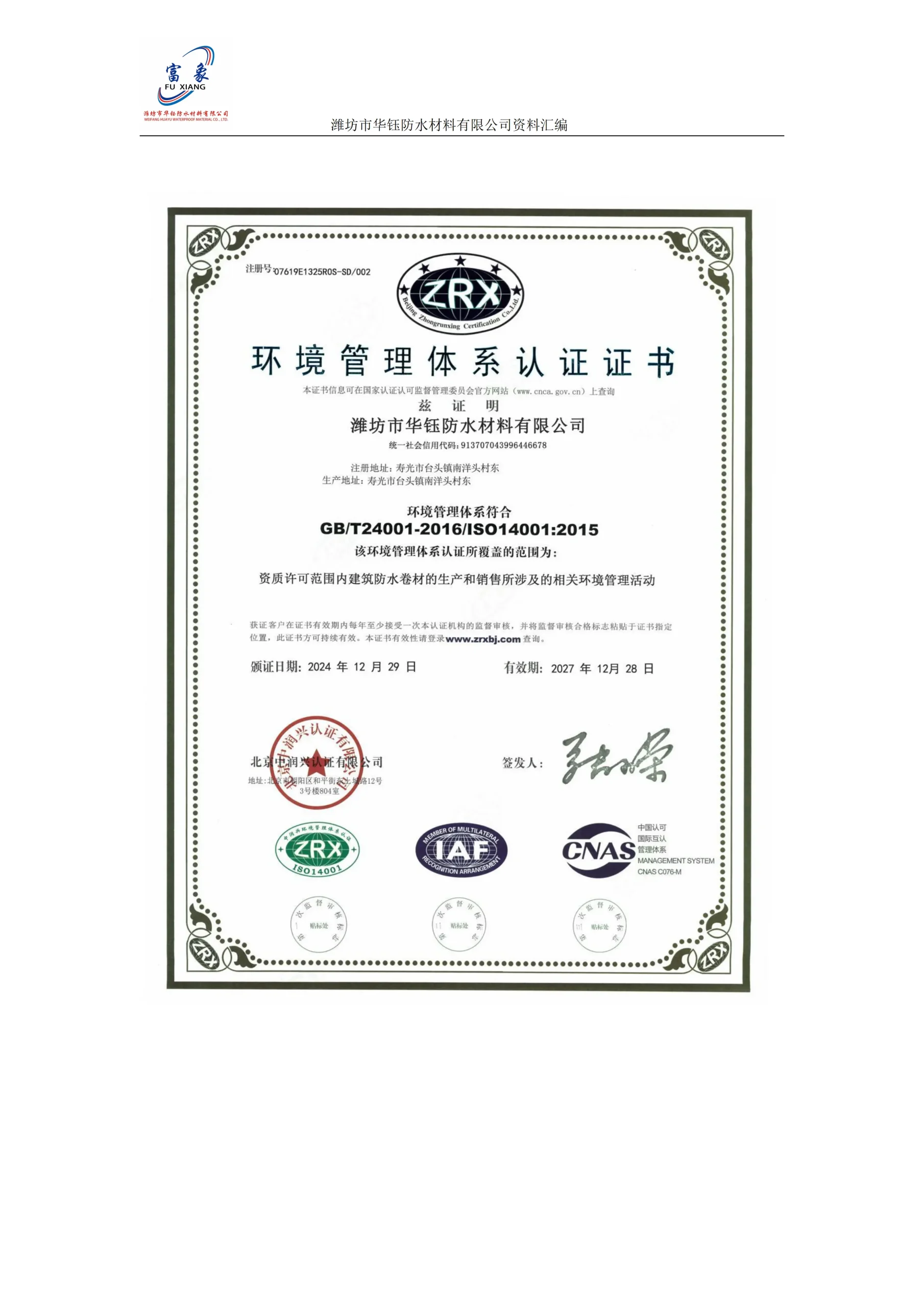
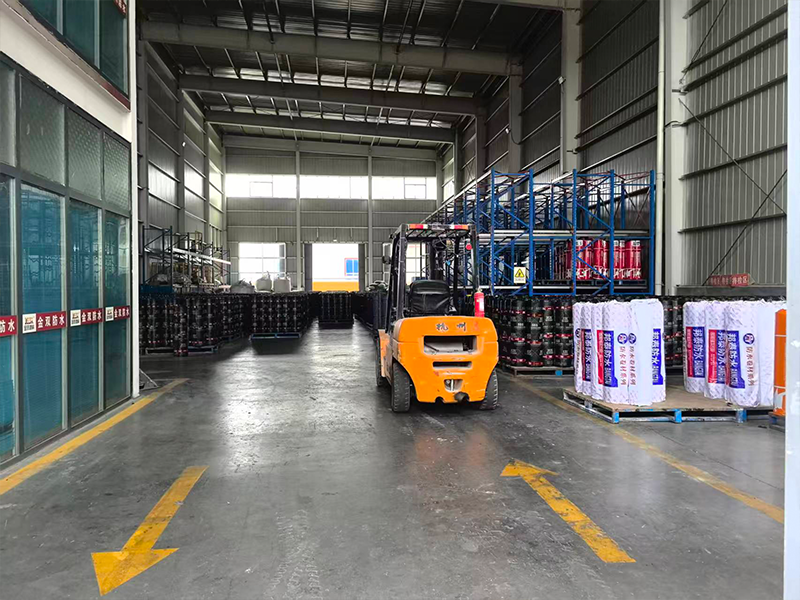
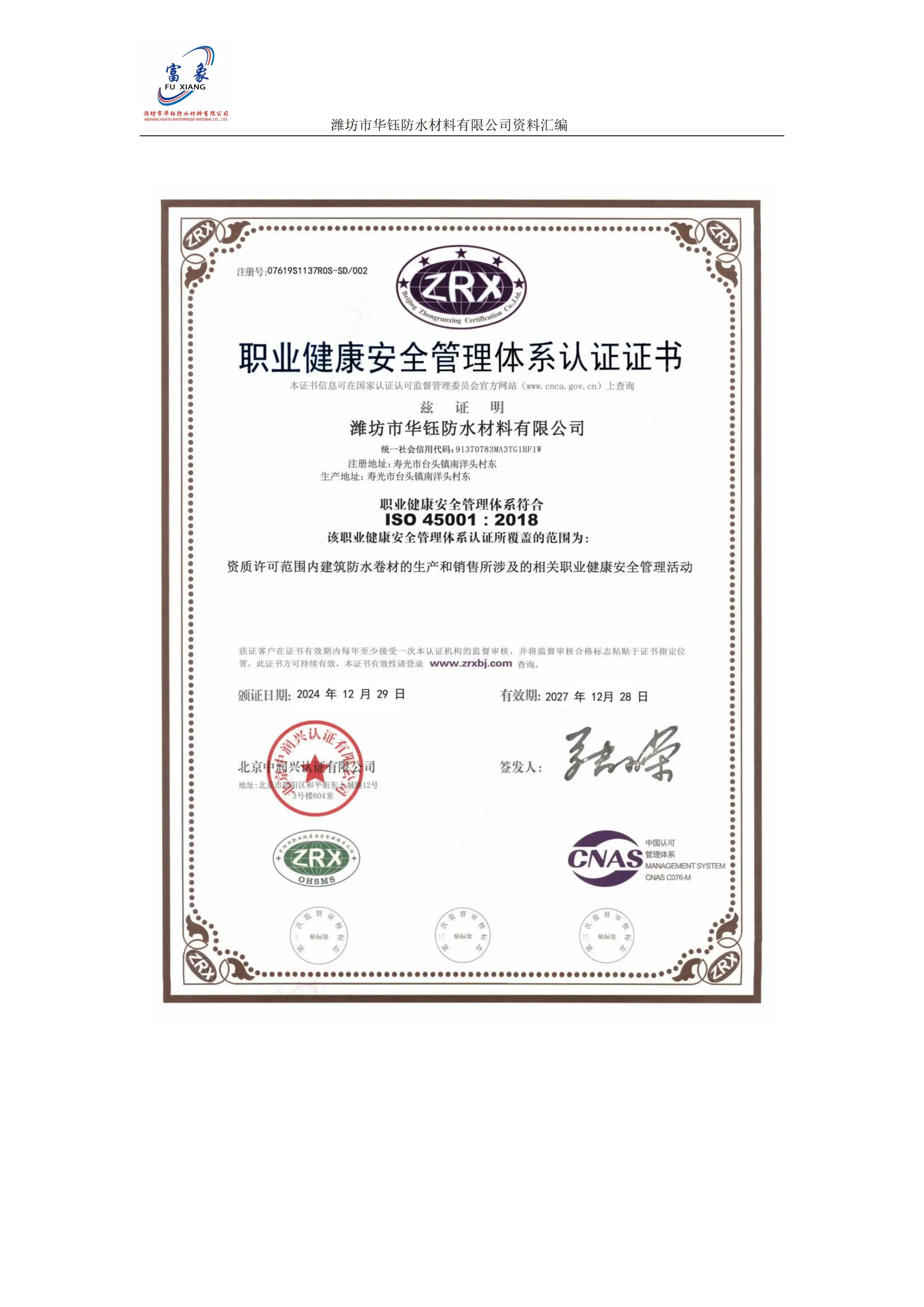
Why Leading Construction Contractors Choose Huayu Waterproofing “富象FU XIANG ™
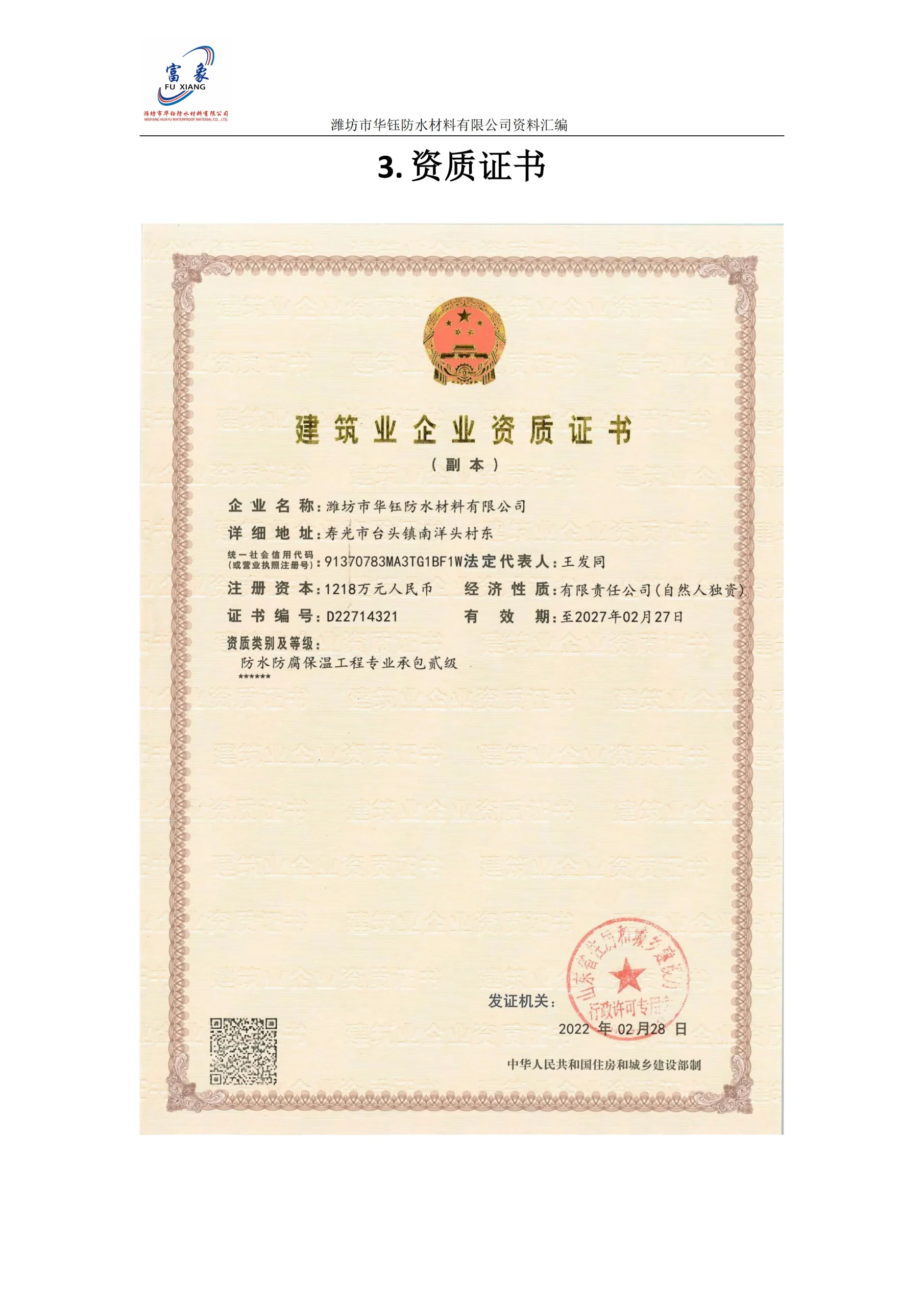
Huayu Waterproofing holds the National Class II Qualification for Professional Contracting of Building Waterproofing Engineering.
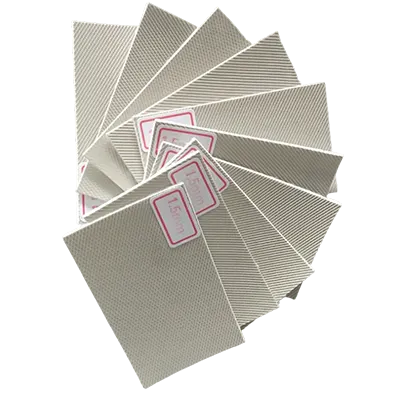
We provide Free Sample Books (A4 size with multi-thickness samples) for qualified commercial buyers.




since 2020
SBS & APP Membranes
Modified Membranes
Premium Asphalt Shingles
PE/PP Membranes
Let us know what you need
WhatsApp:+8613792181135 / +8615092092661
Email:[email protected]
Email:[email protected]
Phone:+8613792181135 / +8615092092661