

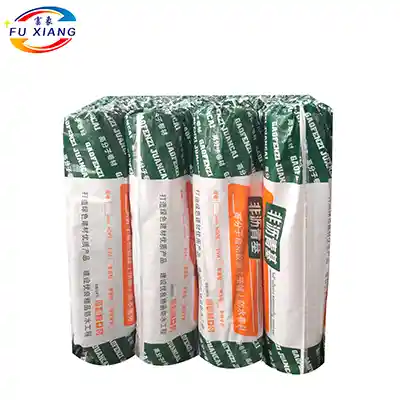
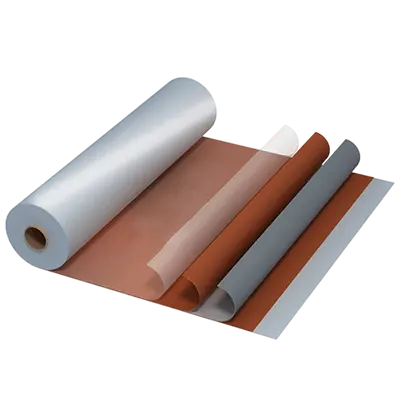
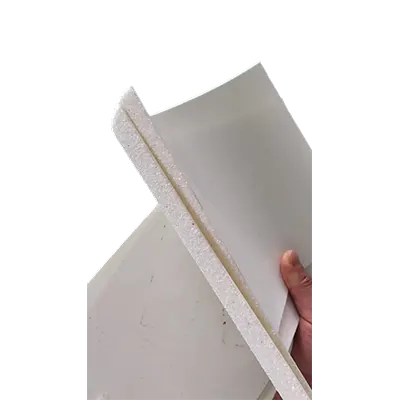
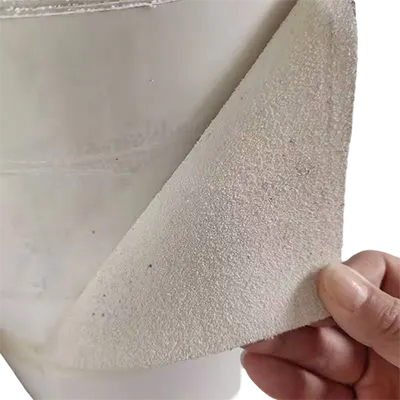
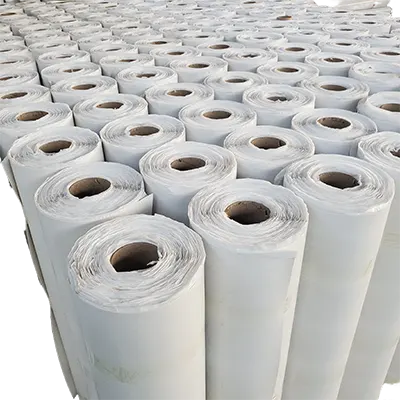
Non asphalt based polymer self adhesive membrane waterproofing membrane
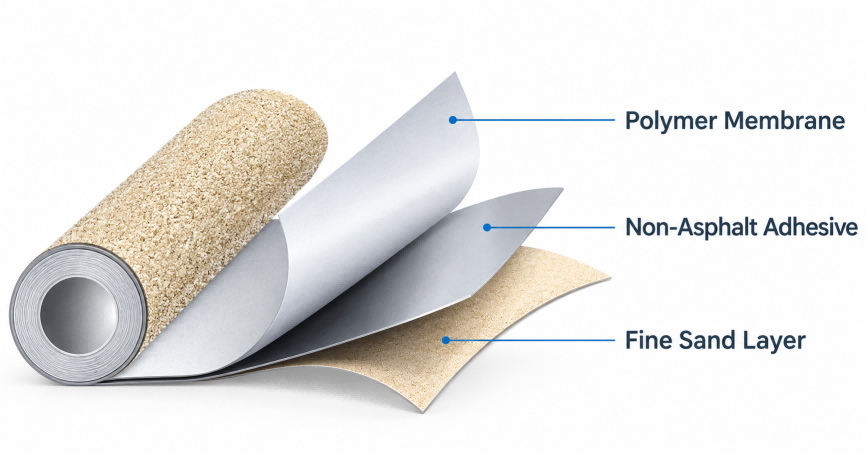
Non asphalt based polymer self adhesive membrane waterproofing membrane is a new type of waterproofing material widely used in waterproofing engineering design. Width: 1.5–2 m, Thickness: 1.2 mm / 1.5 mm / 1.8 mm / 2.0 mm. The membrane is composed of a polymer substrate laminated with a non-asphalt based, environmentally friendly polymer self-adhesive layer. The aging resistance of the environmentally friendly polymer self-adhesive layer is greatly improved, making it superior to that of ordinary polymer membranes.
Non-Bituminous Polymer Self-Adhesive Waterproofing Membrane
Features
- Combines the advantages of polymer waterproofing membrane and self-adhesive membrane – significantly improved puncture resistance, self-healing, high and low temperature performance, and more stable chemical properties.
- Uses self-adhesive application technology – much more convenient to install.
- The self-adhesive layer uses our company’senvironmentally friendly polymer self-adhesive compound– greatly improved aging resistance, ensuring permanent self-adhesion.
- Eliminates the possibility of water migration under the membrane – a breakthrough for polymer membranes.
- Safe and environmentally friendly – both the polymer substrate and the self-adhesive compound are made from harmless, non-toxic, non-polluting formulations.
Applications
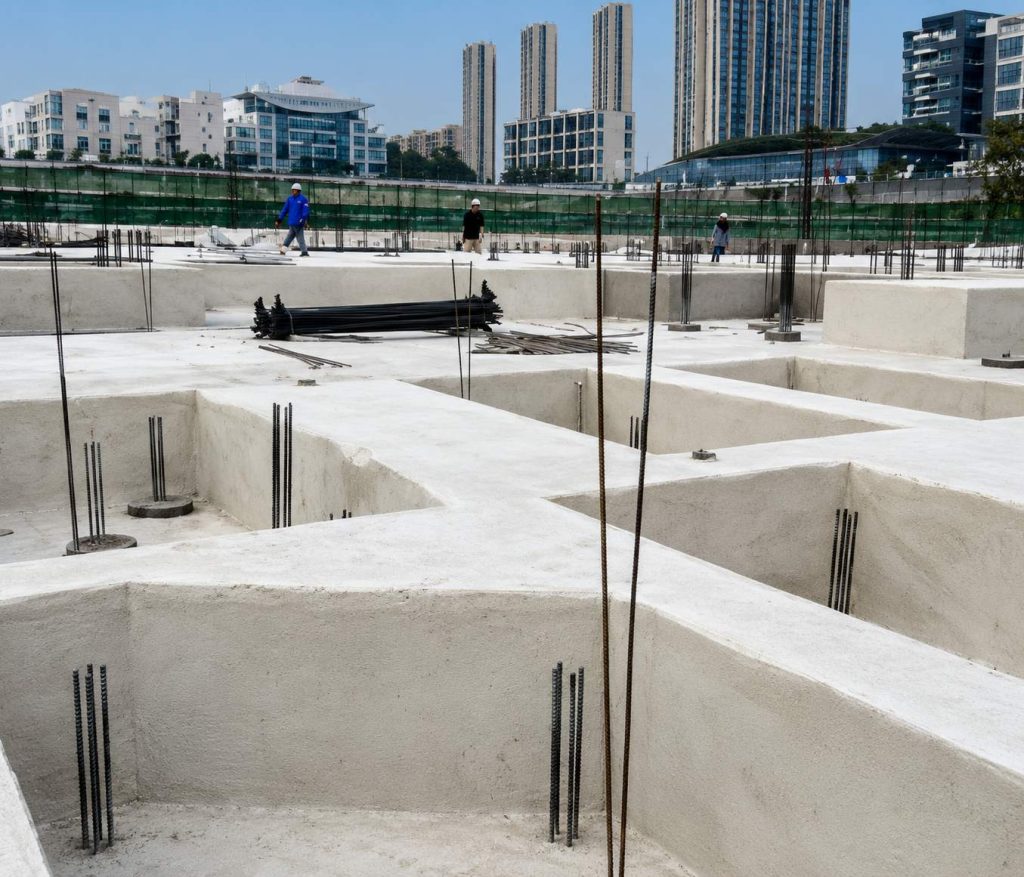
- Roofing, basements, underground garages, civil air defense, and other building projects.
- Reservoirs, dams, cofferdams, canals, and other water conservancy projects.
- Bridges, subways, highways, culverts, and other transportation projects.
- Roof gardens, green roofs, landscaping, and other greening projects.
Application Method
1. Substrate preparation
(1) After the fine aggregate concrete slab is poured, it s hall be promptly bled, compacted, and troweled. If defects such as honeycombing, rough surface, cracking, gaps, or holes exist, they shall be leveled using 1:2.5 cement mortar.The slab surface must be firm, smooth, and clean. It may be damp but without standingwater.Otherwise, leak sealing and drainage shall be carried out in advance to avoid hinderingapplication of the waterproofing layer.
(2) For the vertical substrate of retaining structures such as soldier piles and diaphragm walls in the external waterproofing & internal application method, the surface shall be leveled using concrete or cement mortar. The substrate flatness shall meet D/L ≤ 1/6, where D is the maximum depth between two adjacent protrusions and L is the minimum distance between them. If flatness does not meet the requirement, fill and smooth with 1:2.5 cement mortar. Before the substrate concrete has fully hardened, remove any sharp protrusions such as protruding stones and other debris.
(3) Steel bars, bolts, or other protrusions on the substrate surface shall be cut off at the root. The cut area shall be covered and smoothed with 1:2.5 cement mortar. The thickness of the covering mortar shall not be less than 20 mm, and the covered area shall meet the flatness requirements of the substrate.
2. External waterproofing & internal application method
(1) Pre-applied membrane installation on bottom slab surface
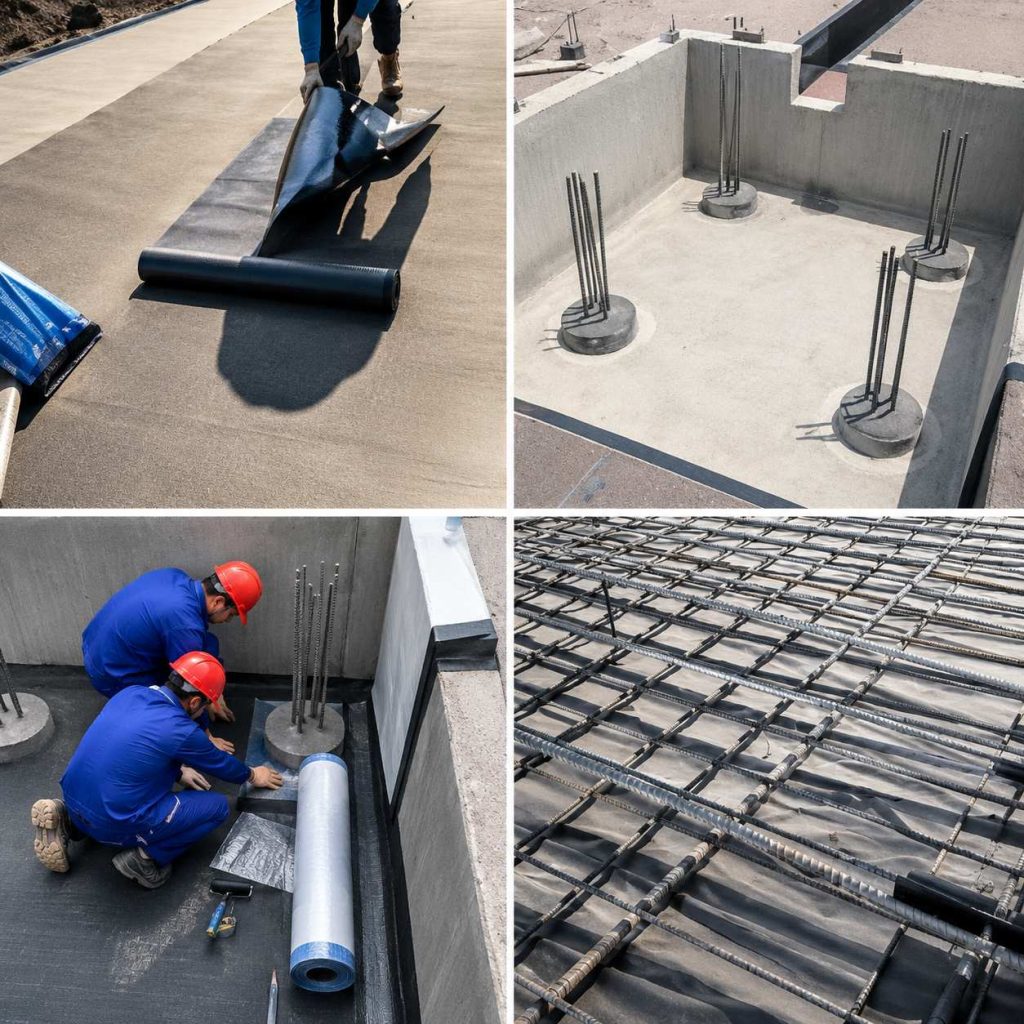
Process: Clean substrate → Mark lines on substrate → Position → Loose-lay pre-applied membrane → Lap membranes → Detail treatment → Self-inspection → Repair → Acceptance → Place rebar → Pour bottom slab concrete.
When laying the first sheet of pre-applied membrane, position it loose-laid on the substrate according to the marked reference line. The smooth side of the HDPE sheet faces the substrate, and the weather-resistant granule layer faces the installer. Carefully adjust the membrane position. For the second adjacent sheet, the lap width along the long side shall not be less than 70 mm. Before lapping, remove the release paper from the lap area. Ensure the lap area is clean, dry, and dust-free. When
bonding the lap, immediately expel air from the lap joint and press firmly with a roller. Repeat until the entire flat area is covered. For short-side laps, use special adhesive or tape to bond and press firmly; lap width shall not be less than 70 mm.
(2) Pre-applied membrane installation on sidewall vertical surface
Process: Level the vertical substrate of the retaining structure → Inspect → Clean → Mark
lines on substrate → Position → Mechanically fasten the pre-applied membrane → Lap membranes → Detail treatment → Self-inspection → Repair → Acceptance → Place rebar → Pour sidewall concrete.
When installing pre-applied membrane on a vertical wall, align the membrane according to the marked lines on the retaining structure substrate. The smooth side of the membrane faces the permanent retaining structure, and the weather-resistant granule layer faces the structural concrete wall. Mechanically fasten the membrane to the support surface of the retaining structure. Nail at a distance of 5 mm from the outer edge of the long-side pre-formed self-adhesive lap. As site conditions allow, mechanically fasten every 500 mm along the long-side lap. During installation, remove the release film from the long-side pre-formed self-adhesive lap, make the long-side lap, and ensure the lap edge of the adjacent membrane covers all fastening points. After lapping, immediately roll with a roller to ensure a good seal. For short-side laps, mechanically fasten the membrane at approximately 500 mm intervals, as site conditions dictate, with fastening points 5 mm from the membrane edge. After fastening, seal the short-side lap joint with special adhesive or tape, ensuring all fastening points are fully covered by the lap edge of the next membrane.
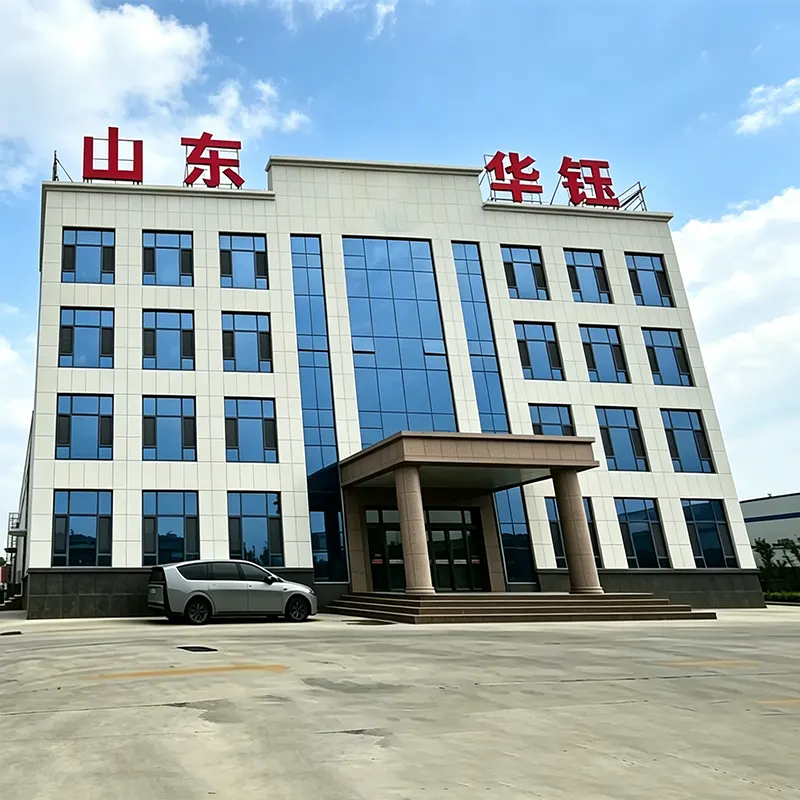
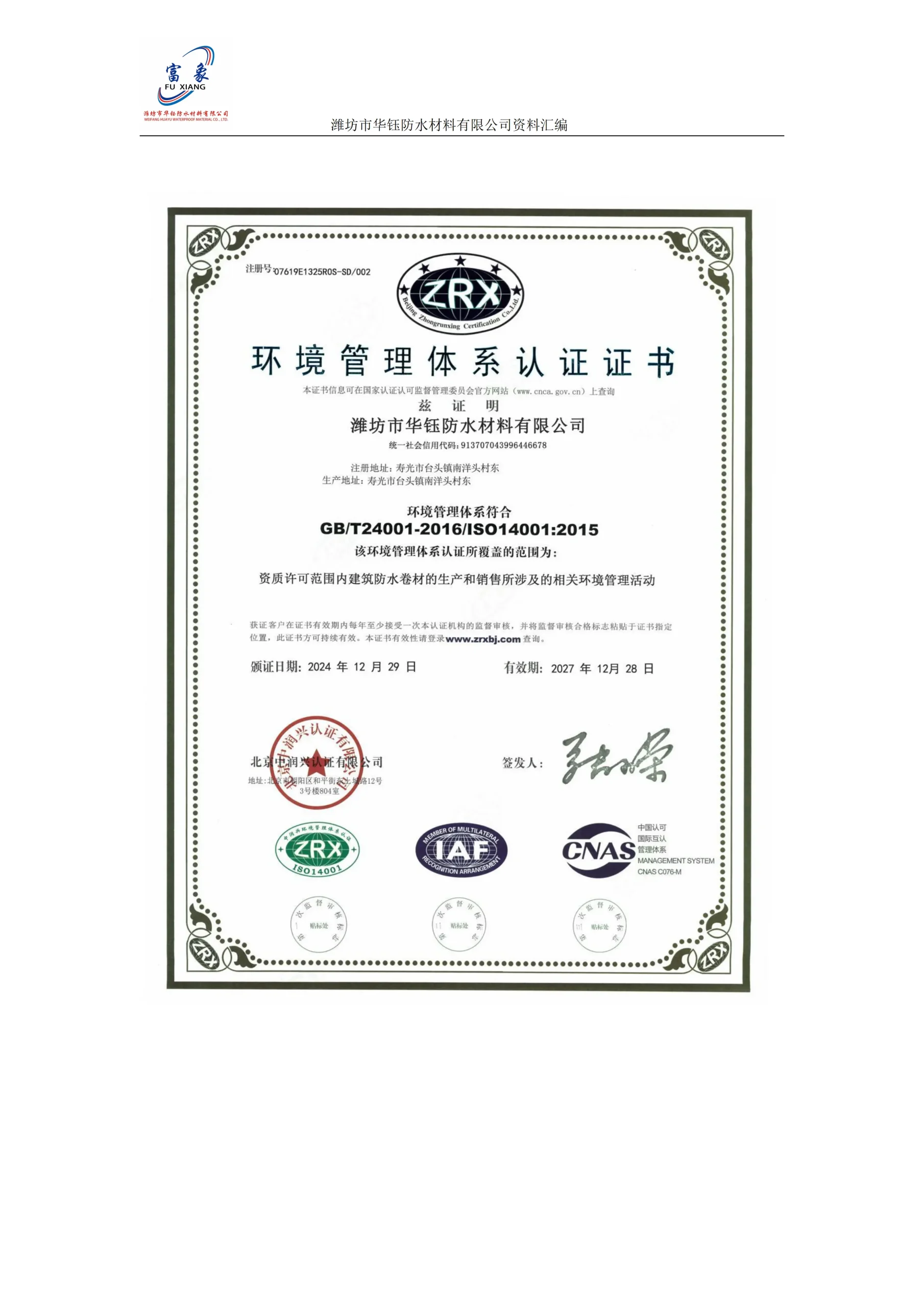
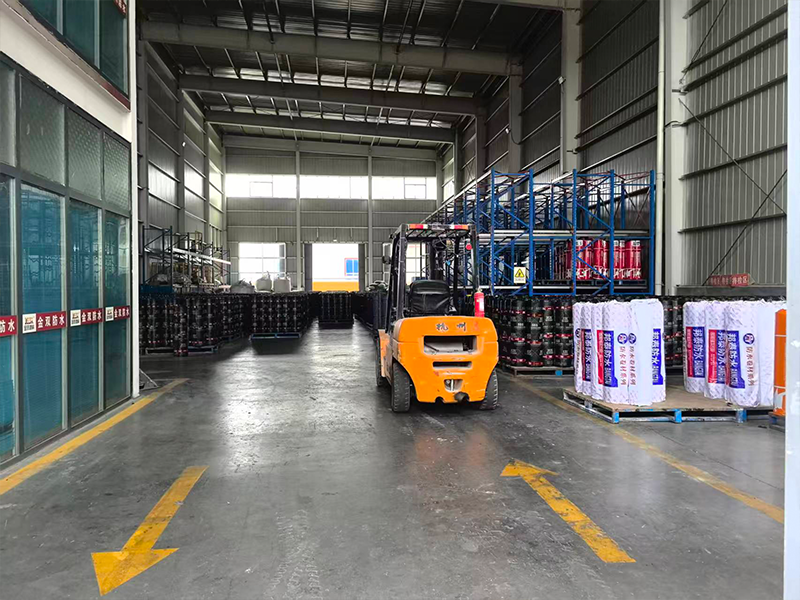
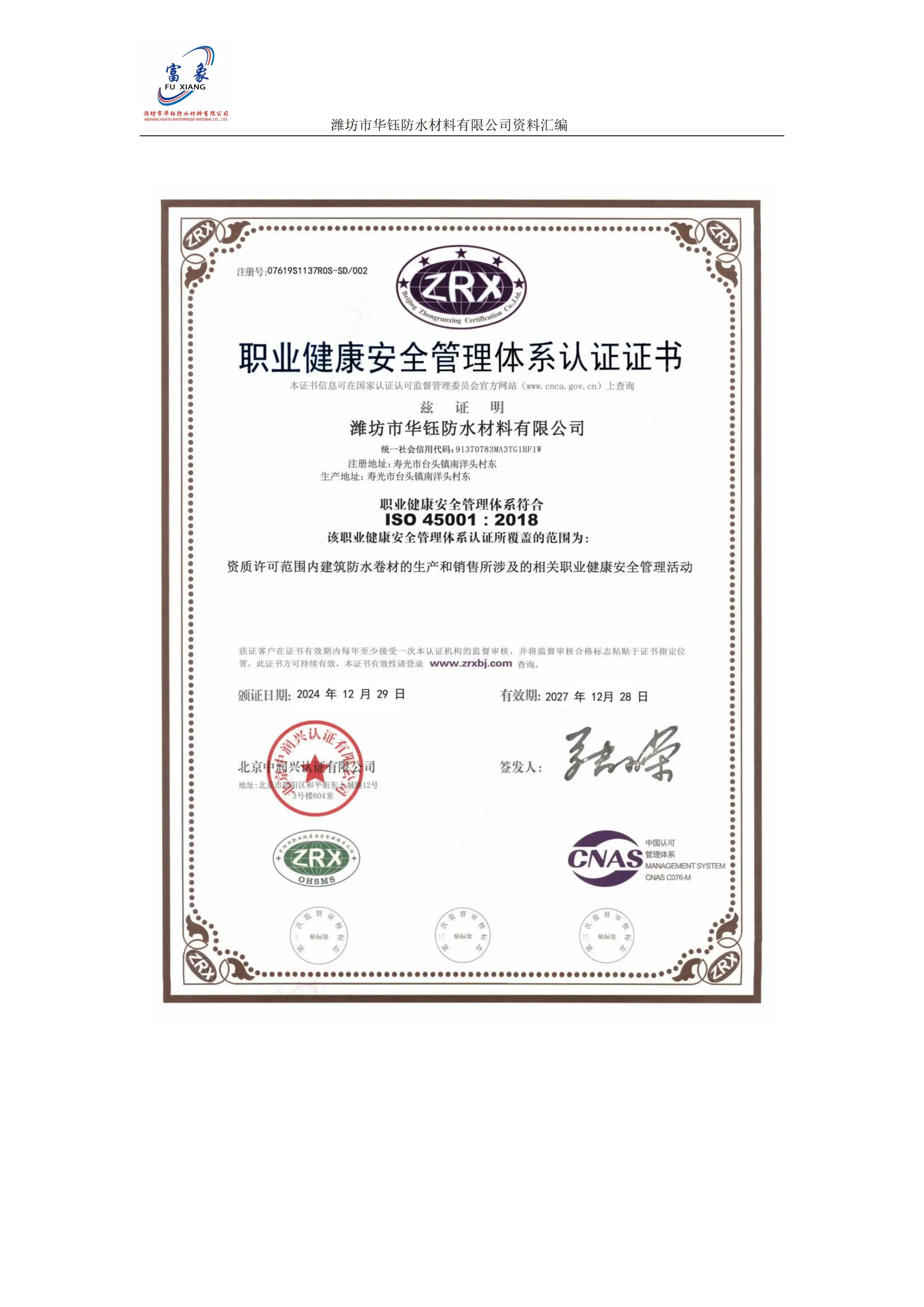
Why Leading Construction Contractors Choose Huayu Waterproofing “富象FU XIANG ™
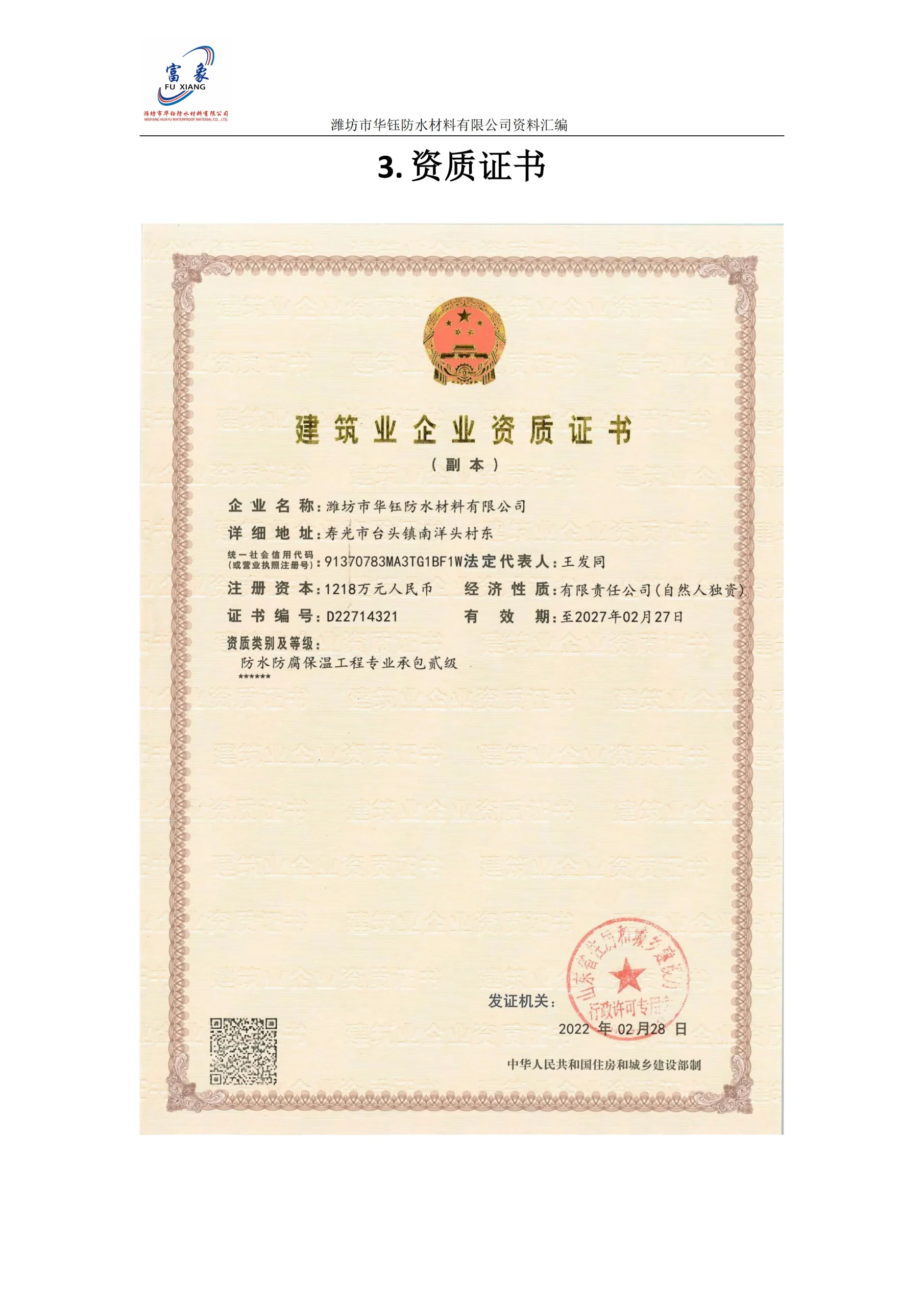
Huayu Waterproofing holds the National Class II Qualification for Professional Contracting of Building Waterproofing Engineering.
We provide Free Sample Books (A4 size with multi-thickness samples) for qualified commercial buyers.




since 2020
SBS & APP Membranes
Modified Membranes
Premium Asphalt Shingles
PE/PP Membranes
Let us know what you need
WhatsApp:+8613792181135 / +8615092092661
Email:[email protected]
Email:[email protected]
Phone:+8613792181135 / +8615092092661