
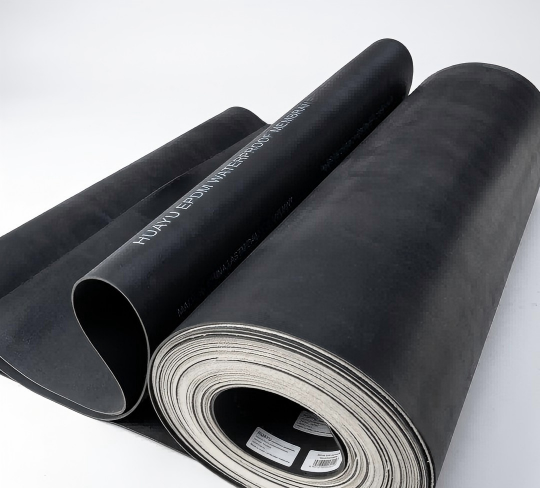
EPDM rubber Waterproofing roll on Membrane
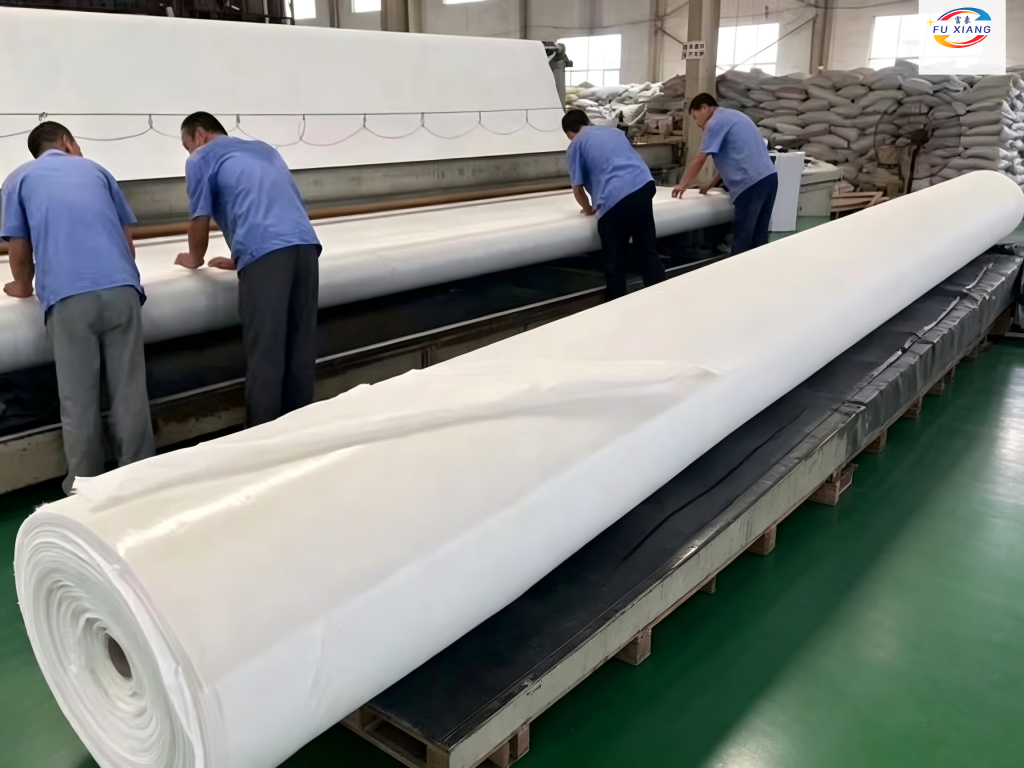
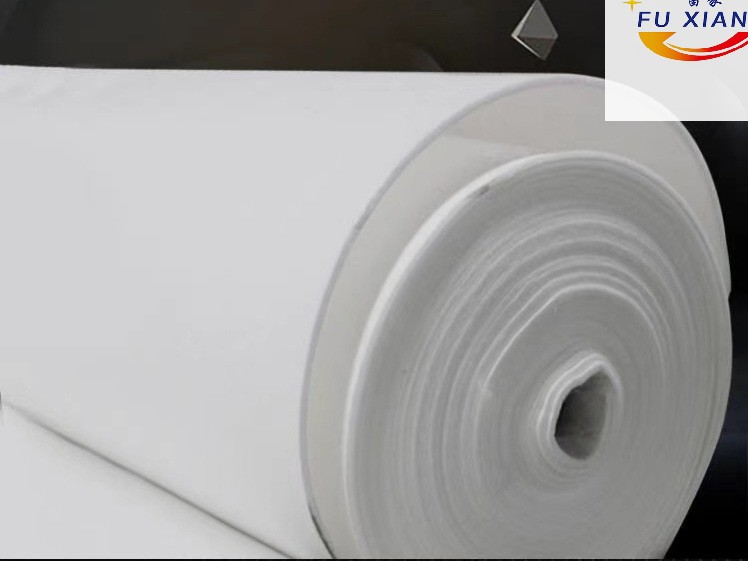
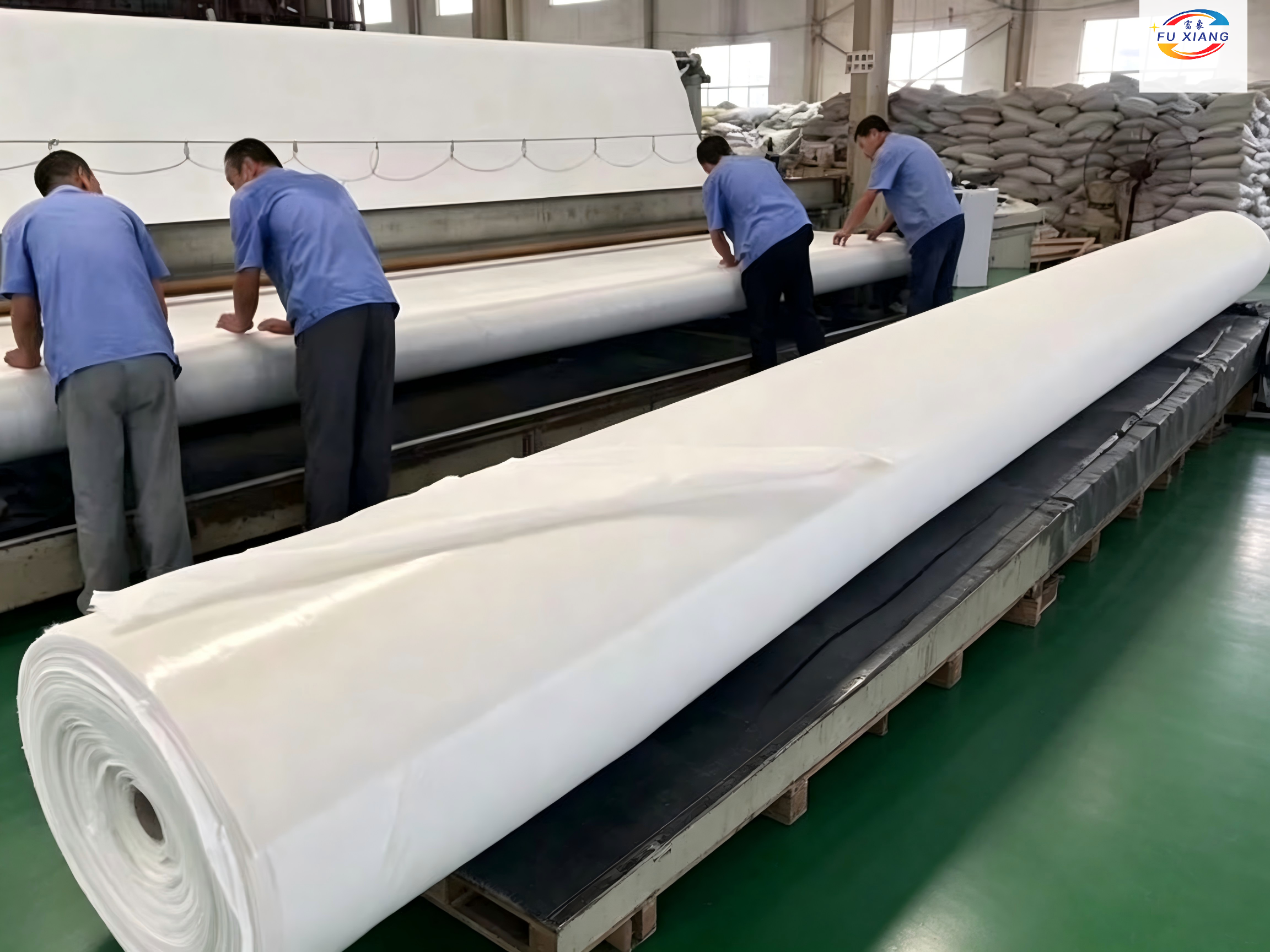
EPDM waterproofing membrane is a highly elastic synthetic polymer waterproofing sheet manufactured using internationally advanced cold-feed extrusion continuous vulcanization technology. It is produced with EPDM rubber from DuPont (USA) and high-quality domestic raw materials, combined with carbon black reinforcing agents, nano-modifiers, plasticizers, vulcanization accelerators, and other processing aids. The manufacturing process includes internal mixing, refining, filtering, extrusion, continuous vulcanization, and inspection. This product is weldable and is recognized worldwide as the “King of Waterproofing.”
EPDM polymer bitumen membrane
Product Features
Application Method
The EPDM waterproofing system consists of EPDM waterproofing membrane, system accessories, system design, and installation. This advanced and mature waterproofing system has been proven through nearly thirty large-scale projects both domestically and internationally – it is complete and reliable. It includes fully bonded, loosely laid, and mechanically fastened systems, along with complete application technologies such as system accessories, detail design, and installation procedures. Users can select the most suitable application
method based on the building design requirements.
Method 1: Fully bonded method:
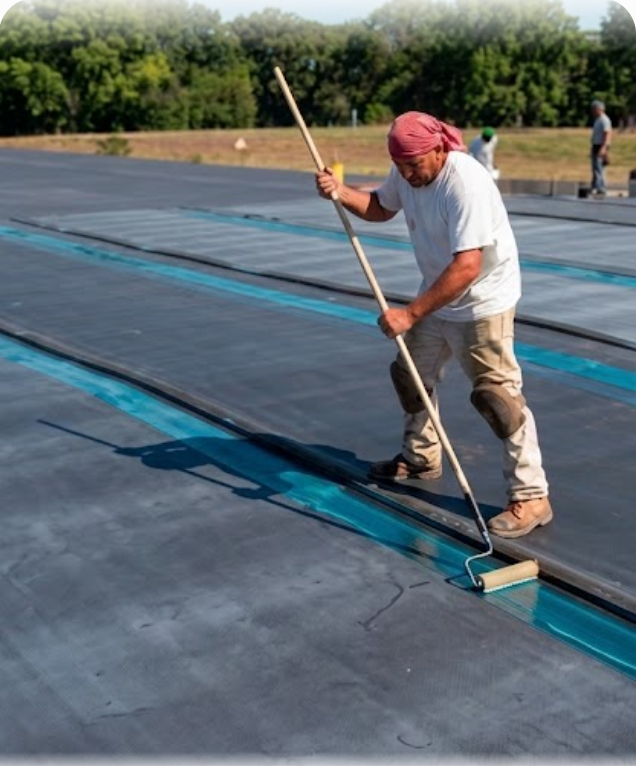
Level substrate → Trowel smooth → Dry → Apply substrate adhesive → Unroll and position membrane → Clean lap area → Apply lap adhesive → Roll lap area → Detail treatment → Complete
The fully bonded method uses substrate adhesive to bond the EPDM membrane directly and completely to the substrate. Adjacent membrane overlaps shall not be less than 10 cm, and then EPDM adhesive is used for seam lapping, forming a continuous, closed waterproofing layer. After that, flashings are applied around the perimeter and at penetrations according to code requirements.
Application features:
- Suitable for any type of roof.
- Lightweight material.
- High wind load resistance.
Method 2: Loosely laid method:
Loose-lay the EPDM waterproofing membrane on the substrate over large areas. The overlap between two membrane sheets shall not be less than 10 cm, then use adhesive to bond the lap joints. After that, apply flashings at the perimeter and penetrations according to code requirements.
Loosely laid method:
Unroll and position membrane → Clean lap area → Apply lap adhesive → Roll lap area → Detail treatment → Complete
Method 3: Inverted method:
A method where the insulation layer is placed above the waterproofing layer.
The loosely laid method and inverted method can be used in below-grade and roofing applications where the substrate can bear weight. Generally, the roof slope shall not exceed 1:6.
Application features:
- Suitable for below-grade waterproofing, trafficable roofs, vehicular roofs, and green roofs.
- Low installation cost.
- Fast installation.
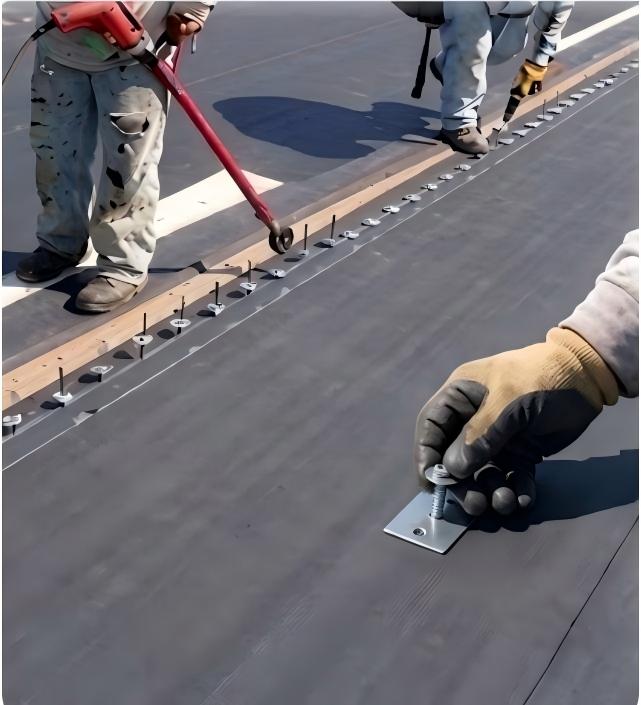
Method 4: Mechanically fastened method:
Unroll and position membrane → Mechanically fasten → Clean lap area → Apply lap adhesive → Roll lap area → Detail treatment →Complete
Mechanically fastened method: A method where the EPDM waterproofing membrane is fastened to the substrate using metal battens.
Application features:
- Generally used on wood, concrete, metal, and other roof substrates.
- Installation is not affected by weather conditions.
- Fast installation.
FAQ
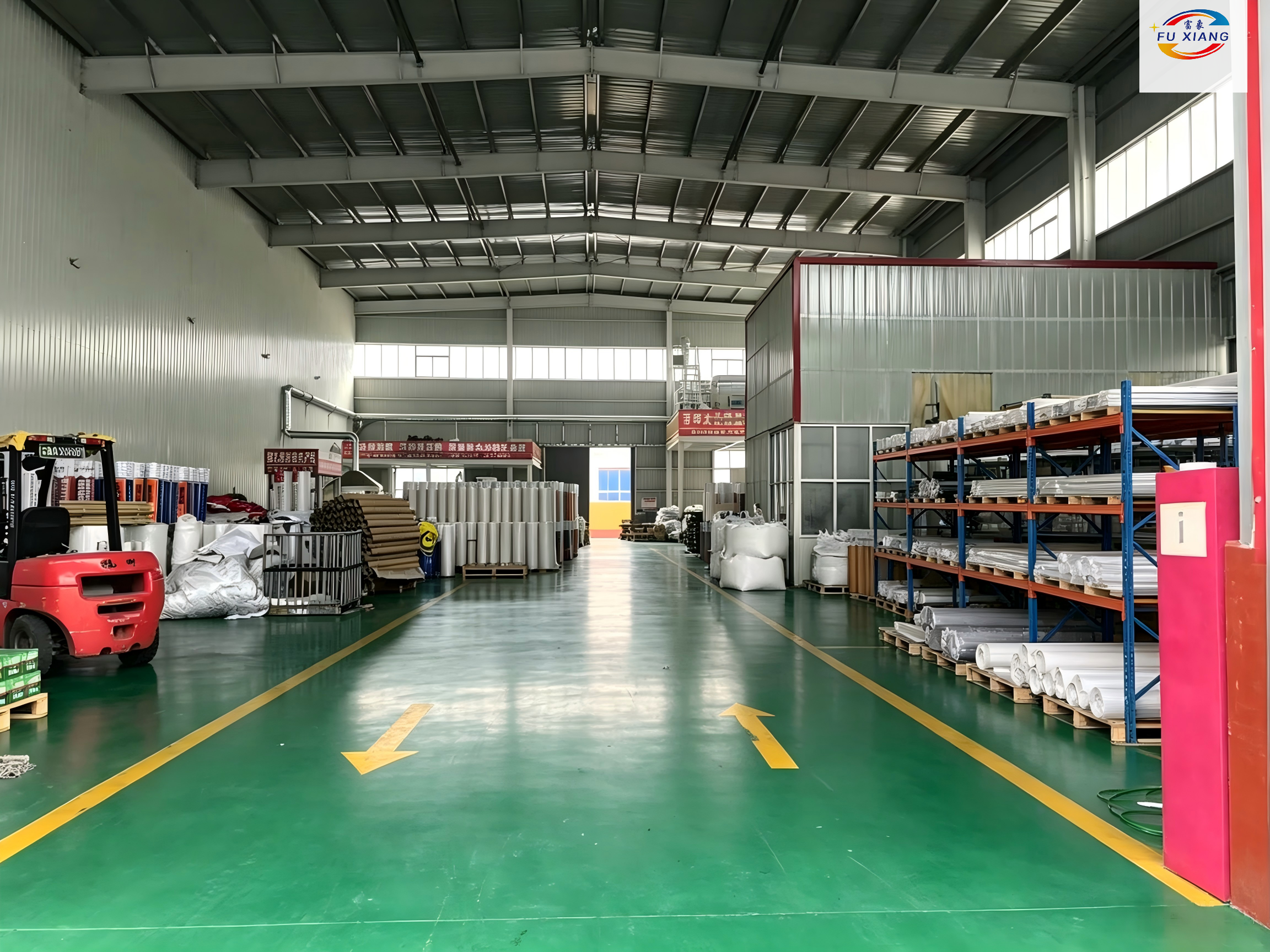
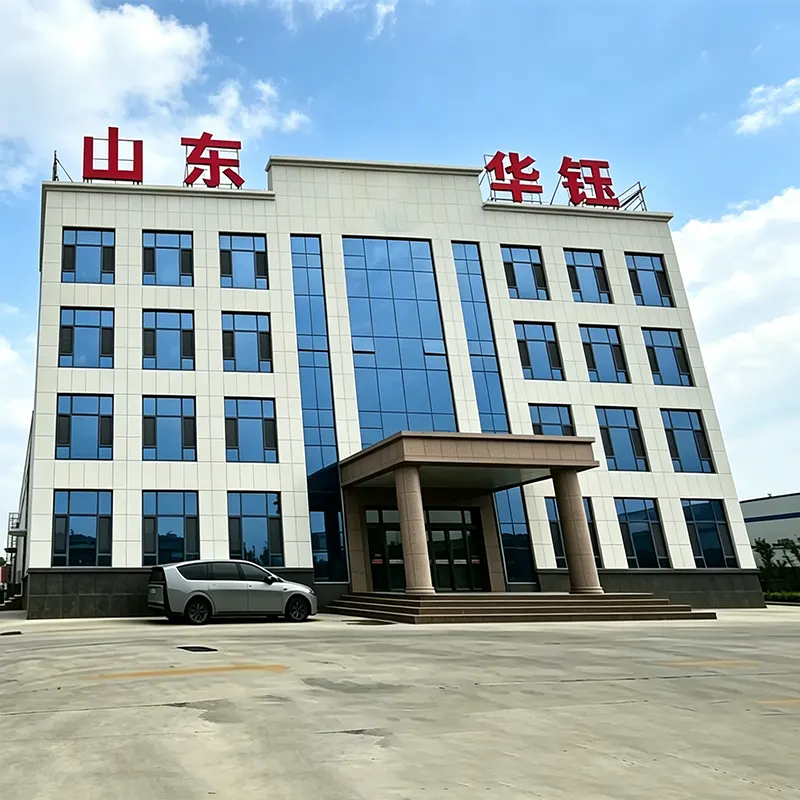
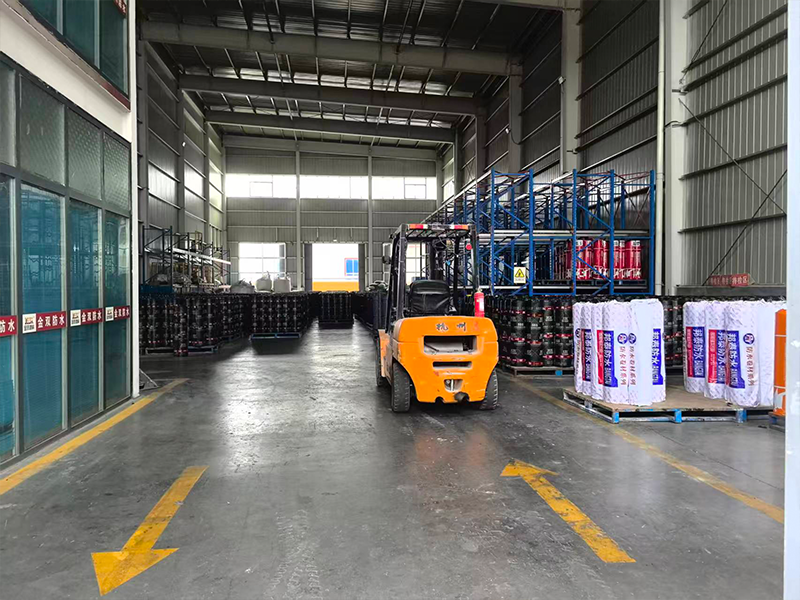
Why Leading Construction Contractors Choose Huayu Waterproofing “富象FU XIANG ™
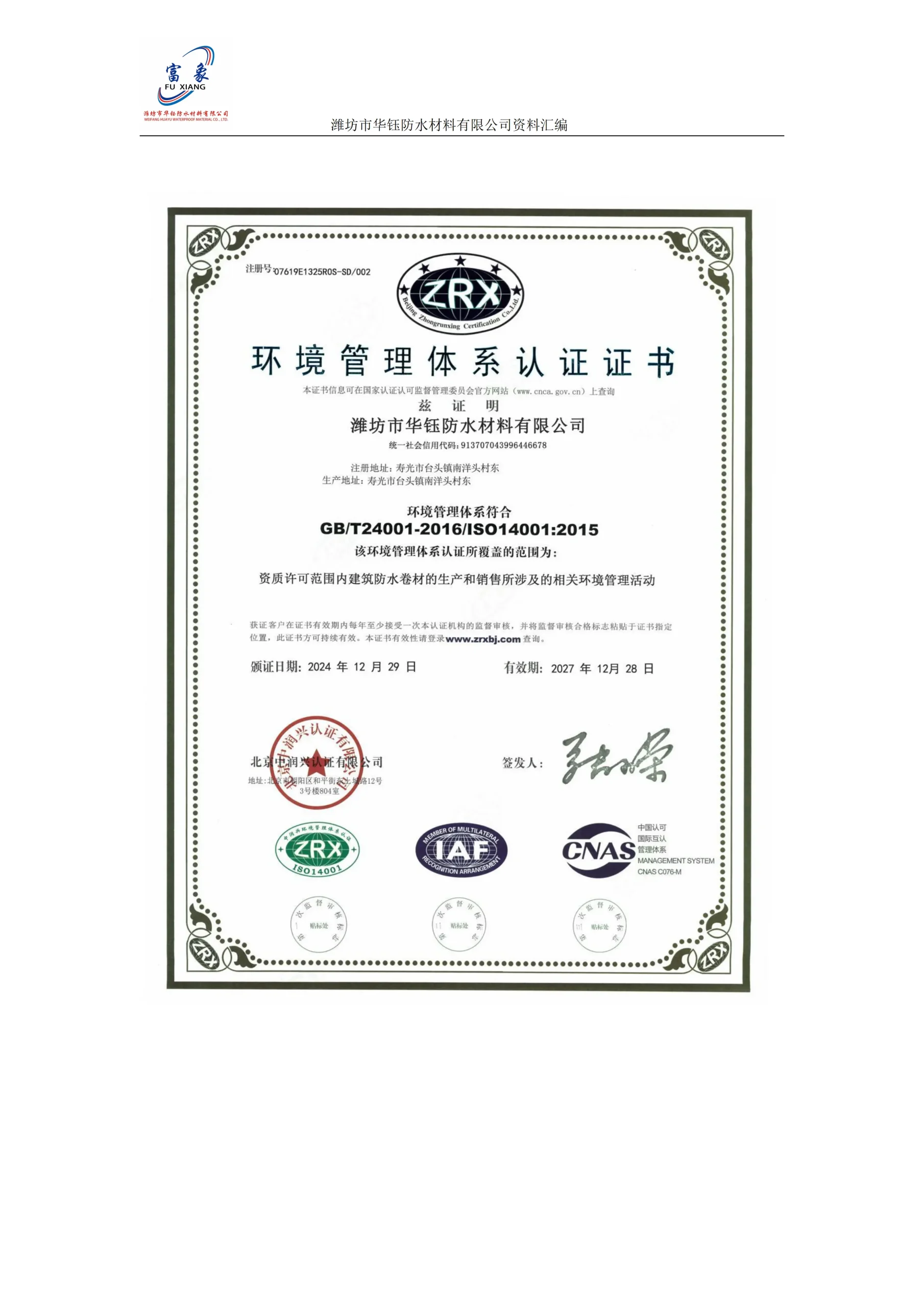
Huayu Waterproofing holds the National Class II Qualification for Professional Contracting of Building Waterproofing Engineering.
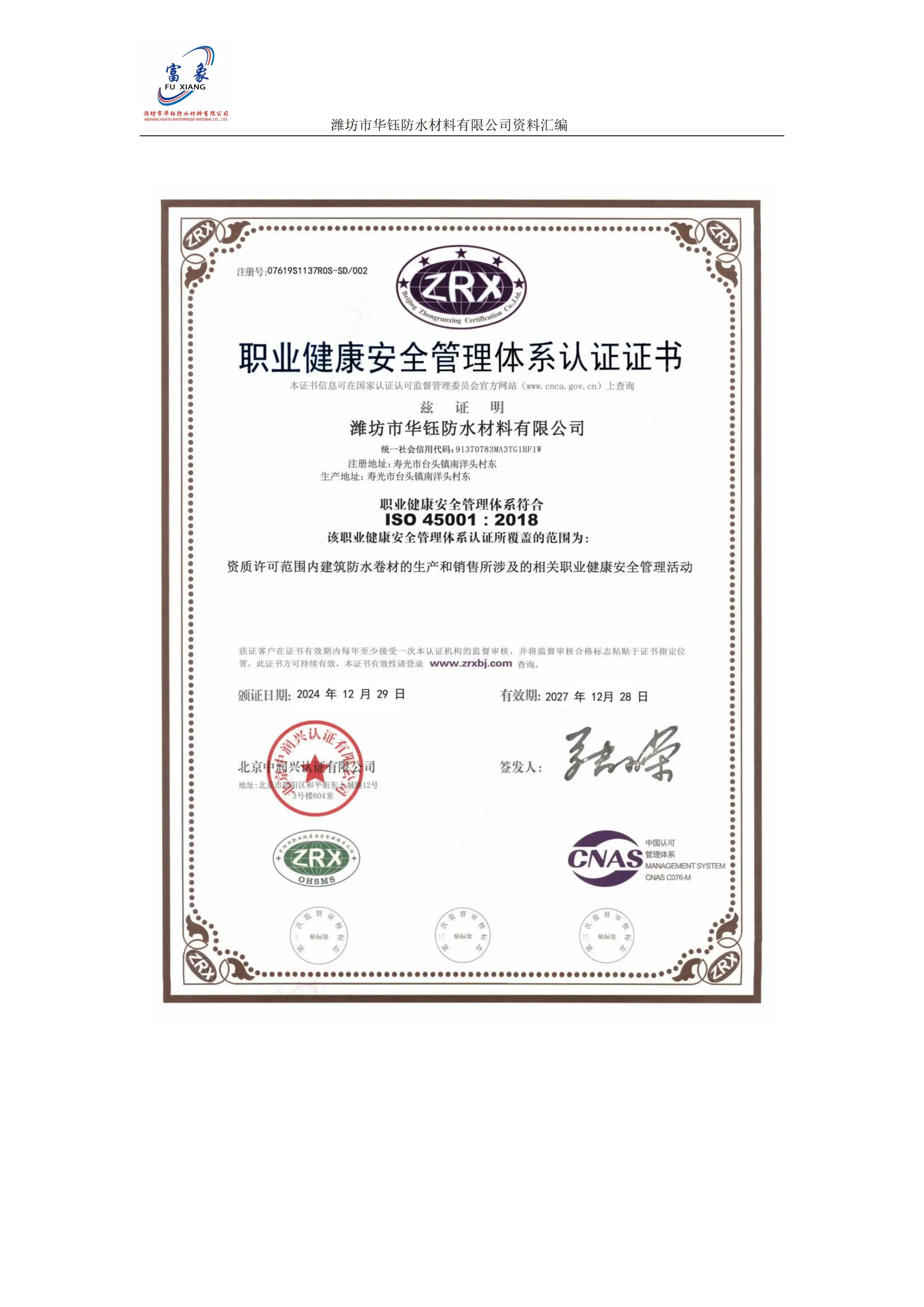
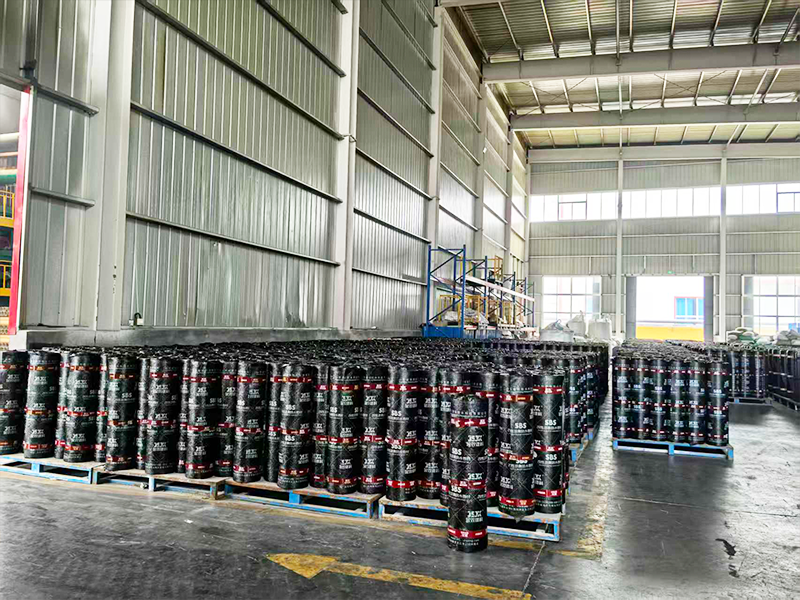
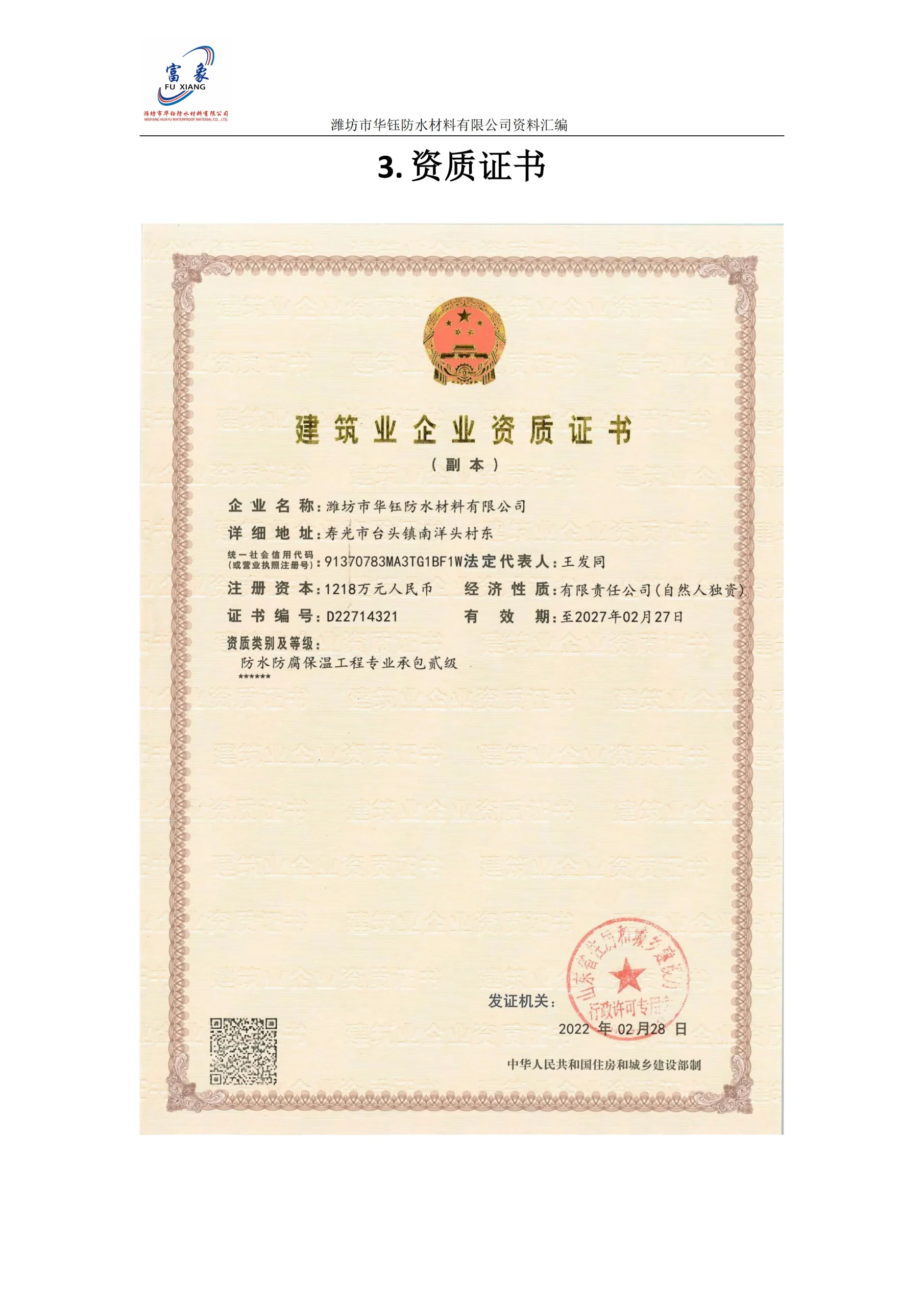
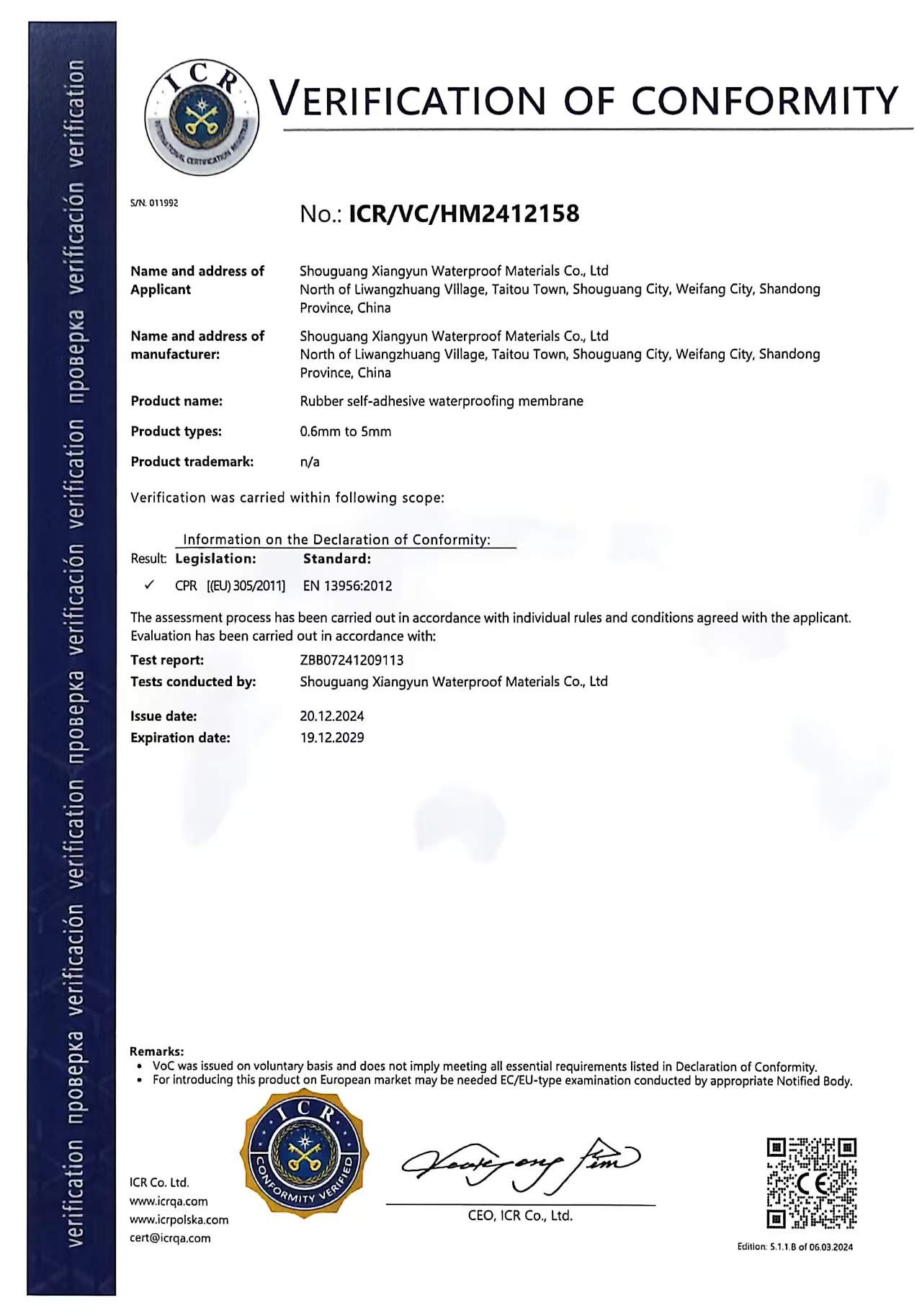
We provide Free Sample Books (A4 size with multi-thickness samples) for qualified commercial buyers.


Since 2020
National Patents Awarded
Premium Asphalt Shingles
Modified Membranes
PE/PP Membranes
SBS & APP Membranes
Let us know what you need