
APP Modified Bitumen Plastomeric Waterproofing Sheets Membrane
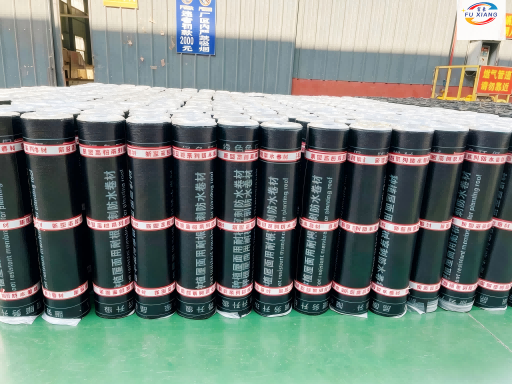
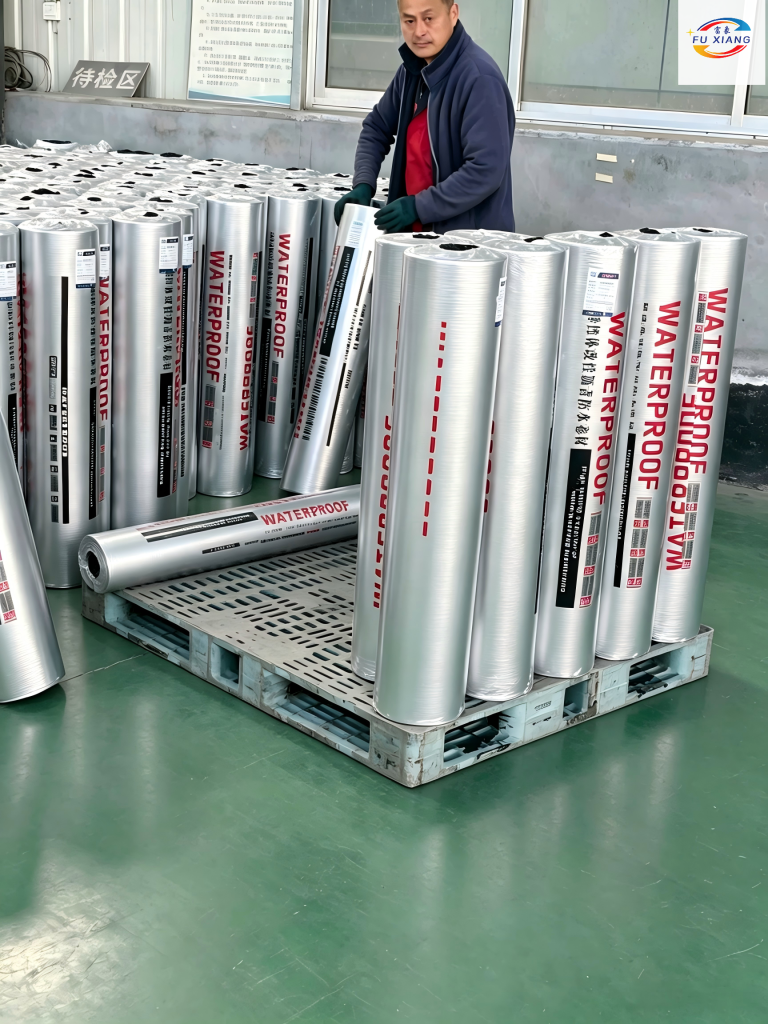
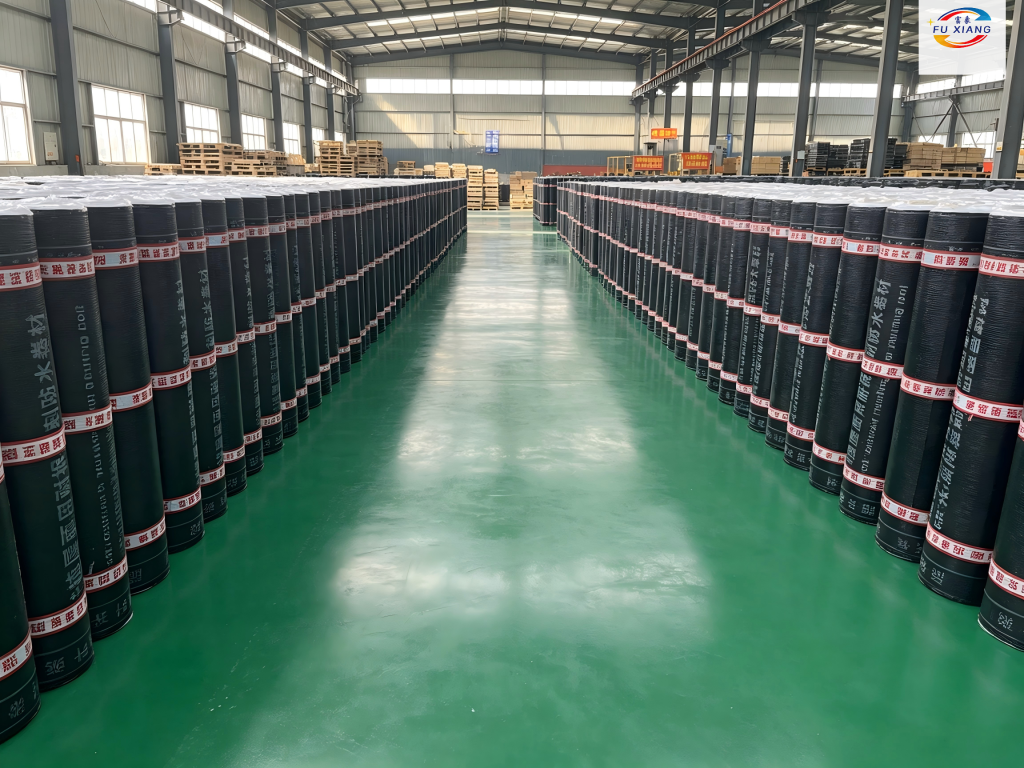
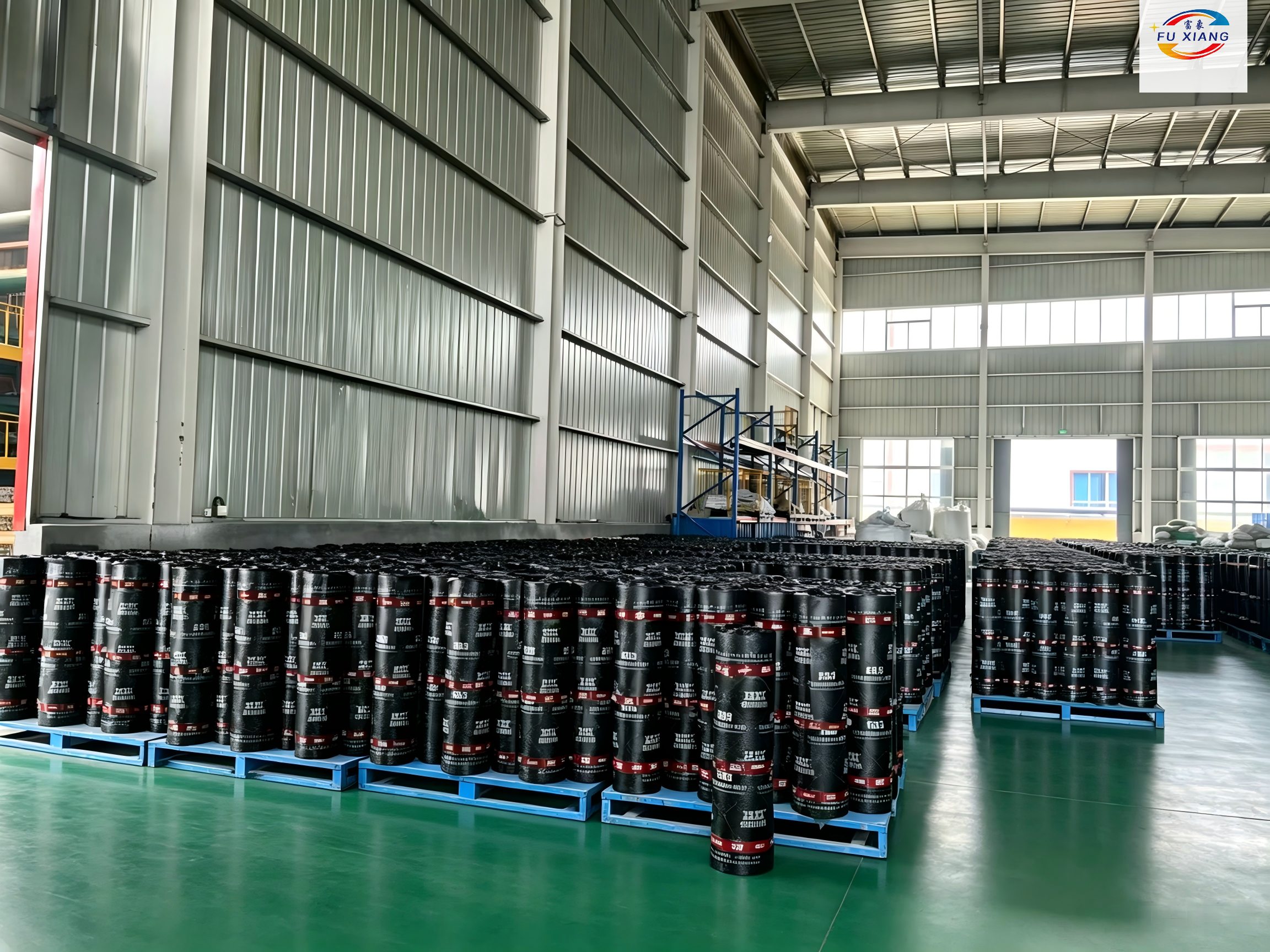
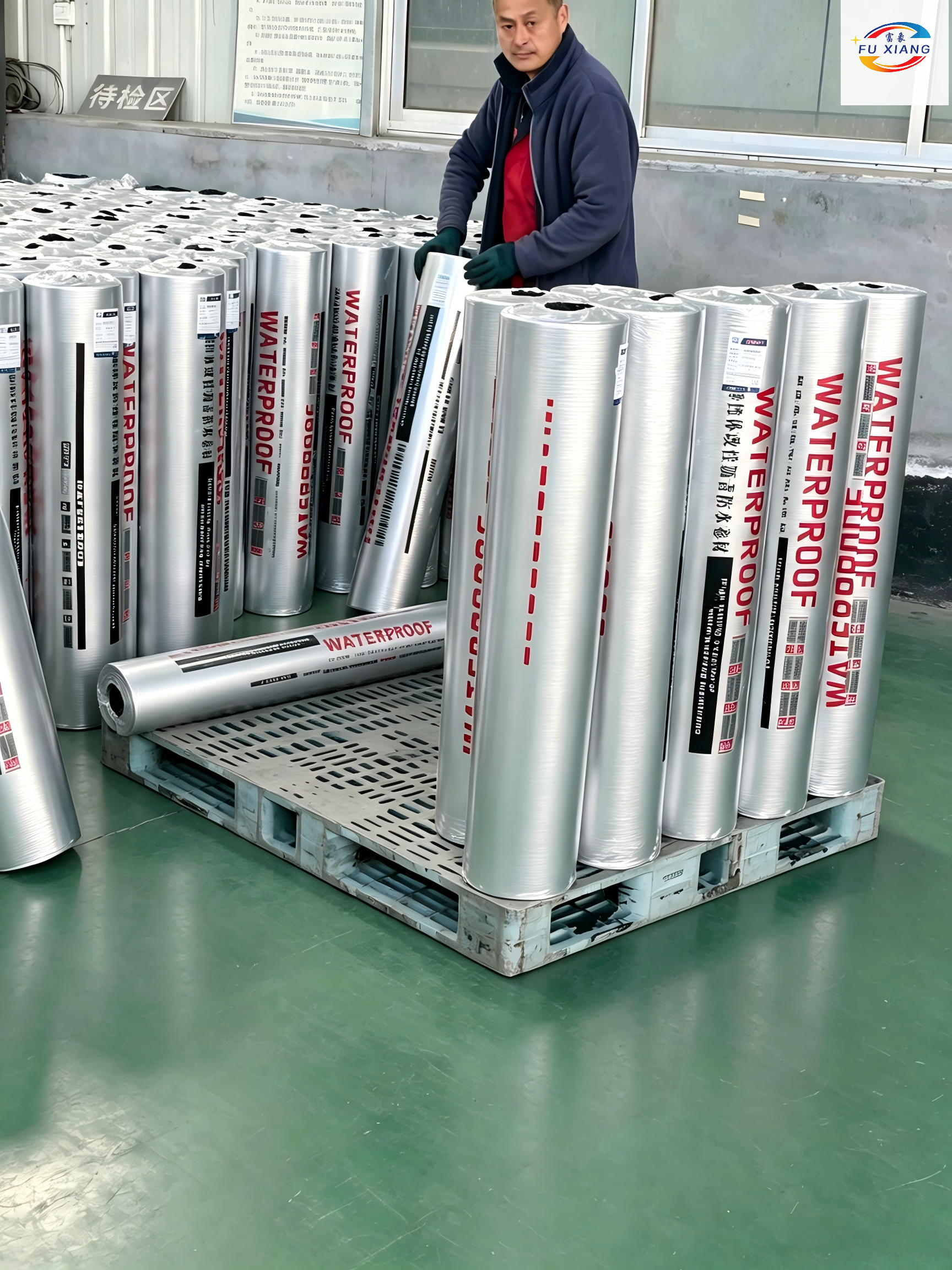
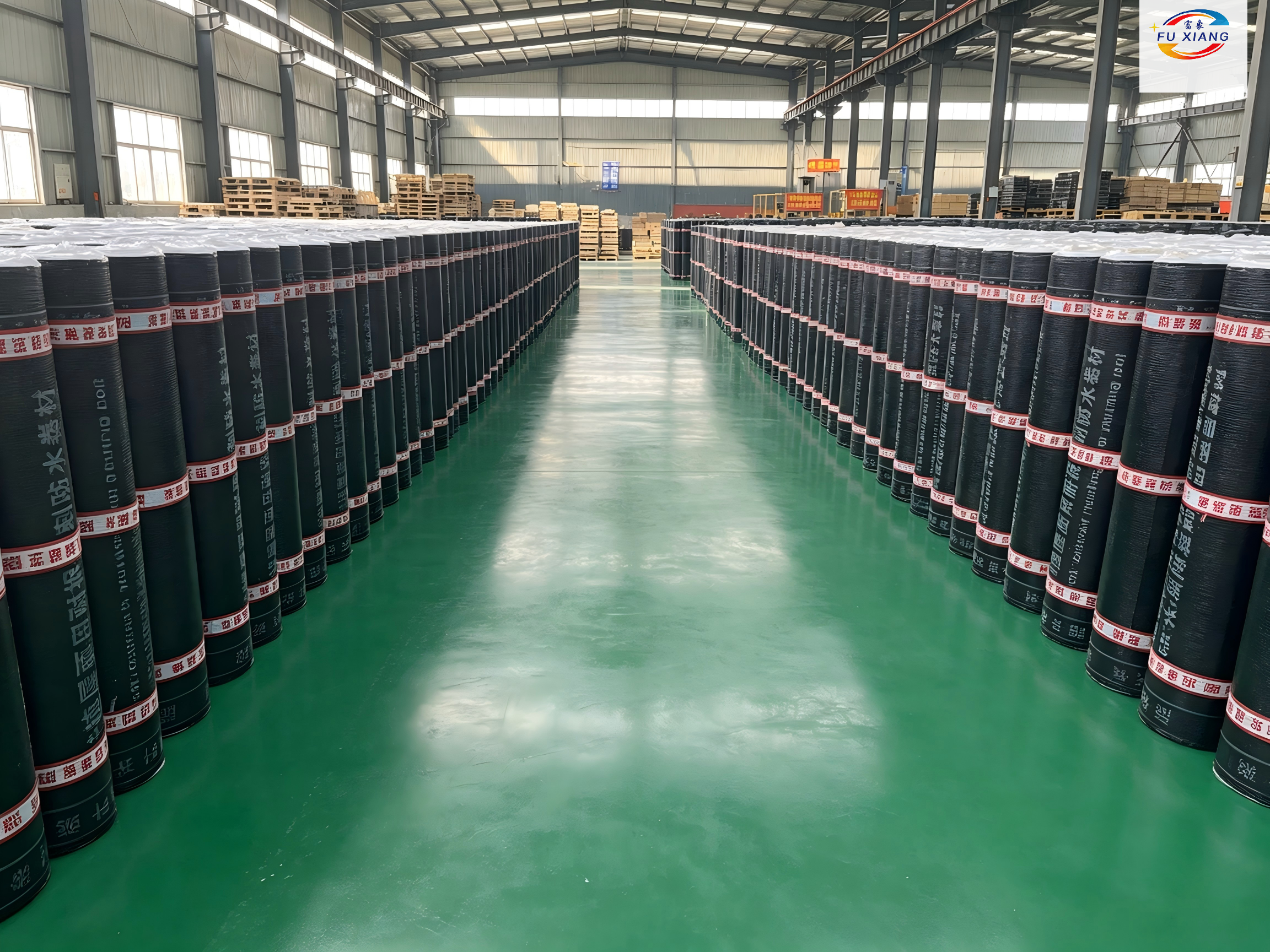
APP (atactic polypropylene) plastic modified asphalt waterproofing membrane uses APP or polyolefin polymers (APAO, APO) modified bitumen as the coating and impregnating material. The carrier can be a high-quality polyester mat, fiberglass mat, or composite mat. The upper surface is finished with release materials such as PE film, fine sand, or mineral granules. The membrane is a flexible sheet material that can be rolled.
APP Modified Bitumen Waterproofing Membrane
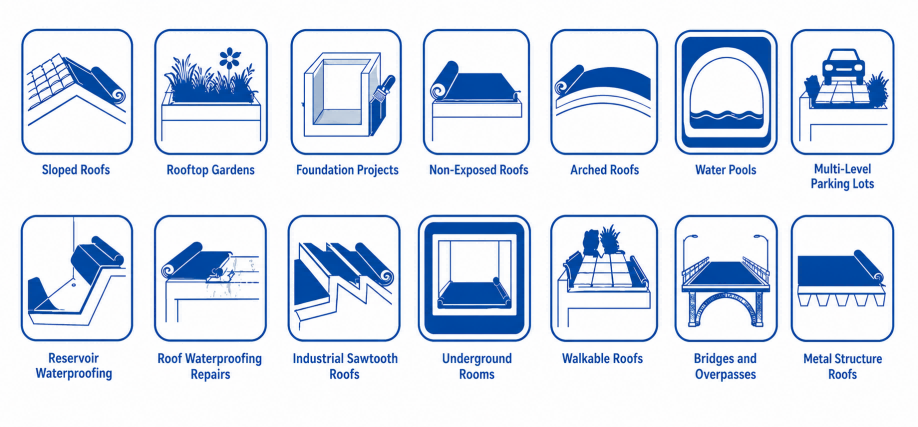
Applications
Product Features
Long-fiber polyester mat membranes:
Alkali-free fiberglass mat membranes:
Glass-reinforced polyester mat membranes:
Performance
Plastic-modified asphalt waterproofing membrane complies with GB18243-2008 standard.
| No. | Parameter | Index | |||||
| Ⅰ | Ⅱ | ||||||
| PY | G | PY | G | PYG | |||
| 1 | Soluble content(g/m 2 ) | 3mm | 2100 | – | |||
| 4mm | 2900 | – | |||||
| 5mm | 3500 | ||||||
| Test phenomenon | – | Carrier non-combustible | – | Carrier non-combustible | – | ||
| 2 | Heat resistance | ℃ | 110 | 130 | |||
| ≤ mm | 2 | ||||||
| Test phenomenon | No flow, no drip | ||||||
| 3 | Low temperature flexibility℃ | -7 | -15 | ||||
| 4 | Water impermeability (30min) | 0.3 Mpa | 0.2 Mpa | 0.3 Mpa | |||
| 5 | Tensile strength | Max peak (N/50mm) ≥ | 500 | 350 | 800 | 500 | 900 |
| Secondary peak (N/50mm) ≥ | – | – | – | – | 800 | ||
| Test phenomenon | During stretching, partial cracking of the asphalt coating or separation from the carrier occurs on some specimens | ||||||
| 6 | Elongation | At max peak (% ) ≥ | 25 | – | 40 | – | |
| At secondary peak (% ) ≥ | – | – | 15 | ||||
| 7 | Mass increase after water immersion(%) ≤ | PE 、 S | 1.0 | ||||
| M | 2.0 | ||||||
| Tensile retention (% ) ≥ | 90 | ||||||
| Elongation retention (% ) ≥ | 80 | ||||||
| 8 | Heat aging | Low temperature flexibility (℃ ) | -2 | -10 | |||
| no cracks | |||||||
| Dimensional change (% ) ≤ | 0.7 | – | 0.7 | – | 0.3 | ||
| Mass loss (% ) ≤ | 1.0 | ||||||
| 9 | Peel strength of joint (N/mm) ≥ | 1.0 | |||||
| 10 | Nail tear strength a(N) ≥ | – | 300 | ||||
| 11 | Mineral granule adhesion b(g) ≤ | 2.0 | |||||
| 12 | Lower asphalt coating thickness c (mm) ≥ | 1.0 | |||||
| 13 | Accelerated weathering | Appearance | no slip, flow, drip | ||||
| Tensile retention (% ) ≥ | 80 | ||||||
| Low temperature flexibility (℃ ) | -2 | -10 | |||||
| no cracks | |||||||
| a. Only for membranes used in single-layer mechanical fastening b. Only for mineral-surfaced membranes. c. Only for torch-applied membranes. | |||||||
Asphalt composite base waterproofing membrane
– Complies with JC/T 690-2008
| No. | Parameter | Index | ||
| Ⅰ | Ⅱ | |||
| 1 | Soluble content(g/m²) ≥ | 3mm | 1600 | |
| 4mm | 2200 | |||
| 2 | Heat resistance℃ | 90 | ||
| no slip, flow, or drip | ||||
| 3 | Low temperature flexibility℃ | -5 | -10 | |
| no cracks | ||||
| 4 | Water impermeability | 0.2 Mpa , 30min no leakage | ||
| 5 | Maximum tensile strength (N/50mm) ≥ | Longitudinal | 500 | 600 |
| Transverse | 400 | 500 | ||
| 6 | Peel strength of joint/ (N/mm) | 0.5 | ||
| 7 | Heat aging | Tensile retention / % ≥ | 90 | |
| Low temperature flexibility/ ℃ | 0 | -5 | ||
| no cracks | ||||
| Mass loss / % ≤ | 2.0 | |||
Application Methods
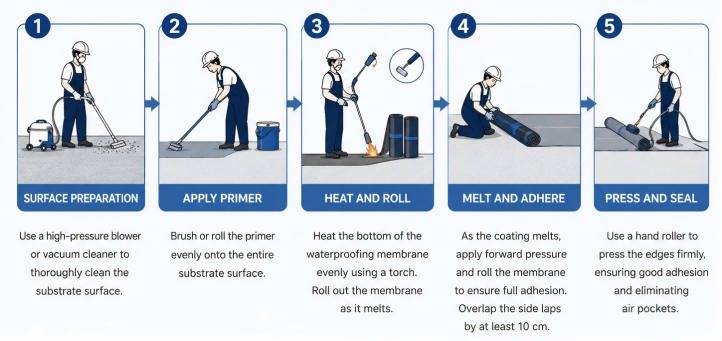
Torch-applied, cold adhesive, or a combination of both.
The membrane can be applied using torch-applied or cold adhesive alone, or a combined method: cold adhesive for large areas and torch-applied for overlaps.
- Torch-applied: Use a flame torch or burner to heat the underside of the membrane and the substrate until the bitumen melts. Roll the membrane forward while heating, then press with a roller to ensure strong bonding to the substrate or to the membrane below.
- Cold adhesive: First apply adhesive evenly to the substrate and the membrane. Allow it to dry slightly, then position the membrane. Roll to expel air underneath, making the membrane flat, tight, and firmly bonded.
Tools & Accessories
- Substrate cleaning tools: shovels, brooms, dust blowers, hammers, chisels, etc.
- Membrane laying tools: scissors, tape measures, chalk line reels, trowels, brushes, rollers.
- Specialized torch tools: single or multi-nozzle torches or burners.
- Accessories: primer, membrane adhesive, edge sealing strips.
Membrane Laying
- Before starting, clean the approved substrate thoroughly. Blow dust off corners and edges.
- Apply primer evenly. Do not brush back and forth repeatedly.
- After primer dries, apply additional reinforcement layers at locations required by design (e.g., roof details, below-grade waterproofing details).
- Determine the laying sequence and direction, then snap chalk lines on the substrate. Lay the membrane according to the following bonding requirements for different areas:
- Roof: Spot-bond or strip-bond membrane to substrate. The 800mm perimeter of the roof must be fully bonded. On sloped roofs, bond at least 70% of the area; membrane-to-membrane overlaps must be 100% bonded.
- Below-grade slab: Membrane can be fully bonded, spot-bonded, strip-bonded, or loose-laid to the substrate, but membrane-to-membrane overlaps must be fully bonded.
- Below-grade walls: Both membrane-to-substrate and membrane-to-membrane must be fully bonded.
- Reinforcement layers: Fully bond in general areas; expansion joints may be loose-laid.
- Laying sequence: Start with high spans, then low spans. At the same elevation, start far away and work closer. On the same plane, start from the low point.
- Roof laying direction:
- Slope <3%: Lay parallel to the ridge.
- Slope 3% – 15%: Lay either parallel or perpendicular to the ridge.
- Slope >15% or when subject to vibration: Lay perpendicular to the ridge.
- Lap joints parallel to the ridge: Align with water flow direction. For laps perpendicular to the ridge, align with the prevailing wind direction.
FAQ
Why Leading Construction Contractors Choose Huayu Waterproofing “富象FU XIANG ™
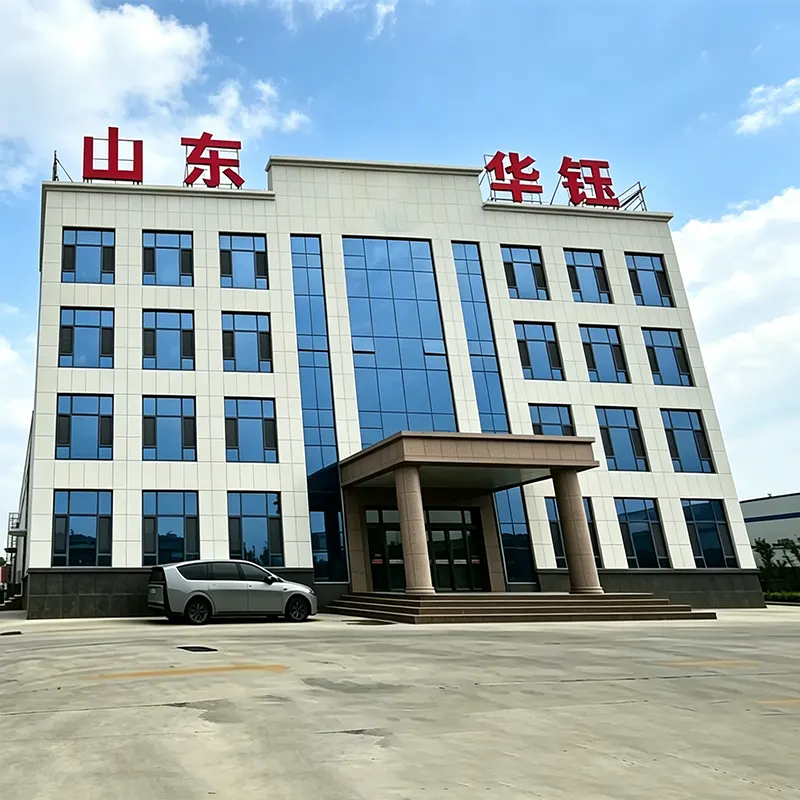
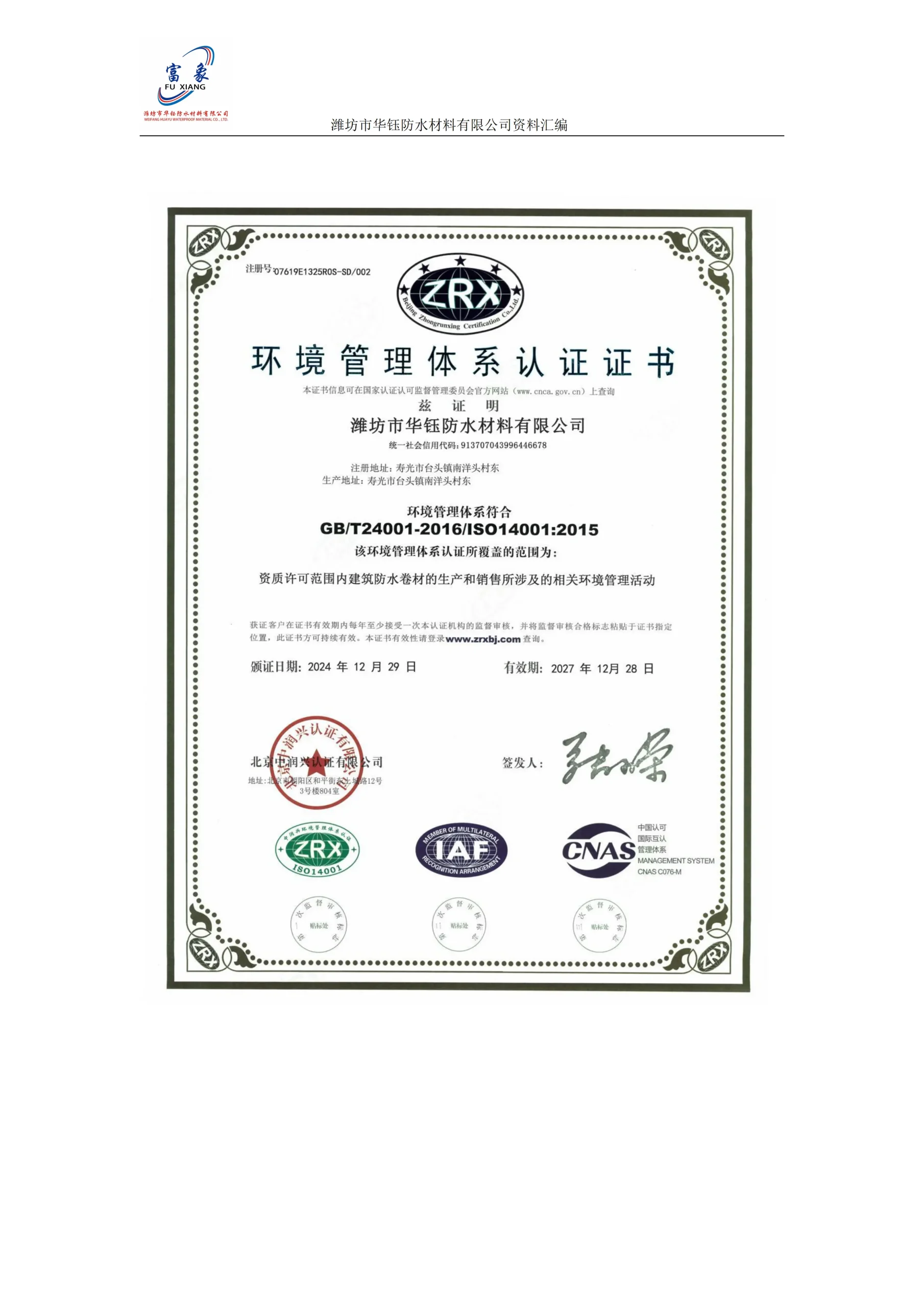
Huayu Waterproofing holds the National Class II Qualification for Professional Contracting of Building Waterproofing Engineering.
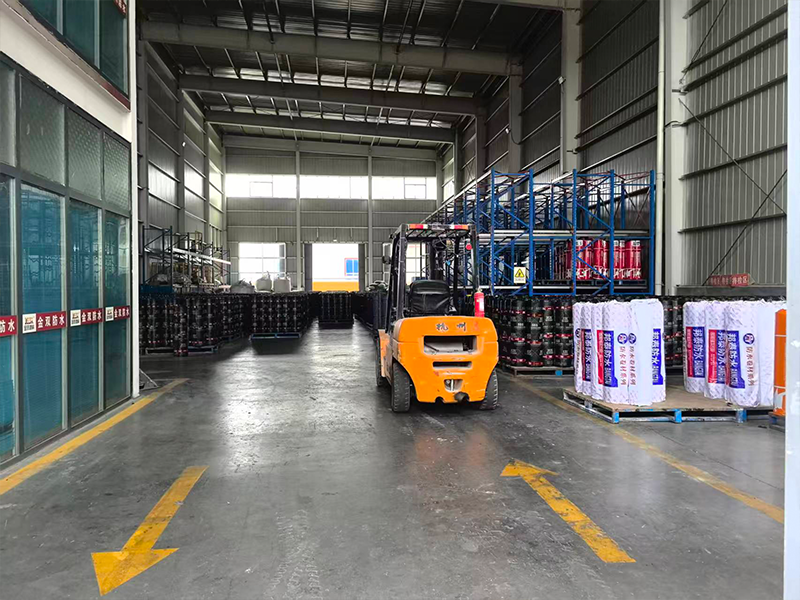
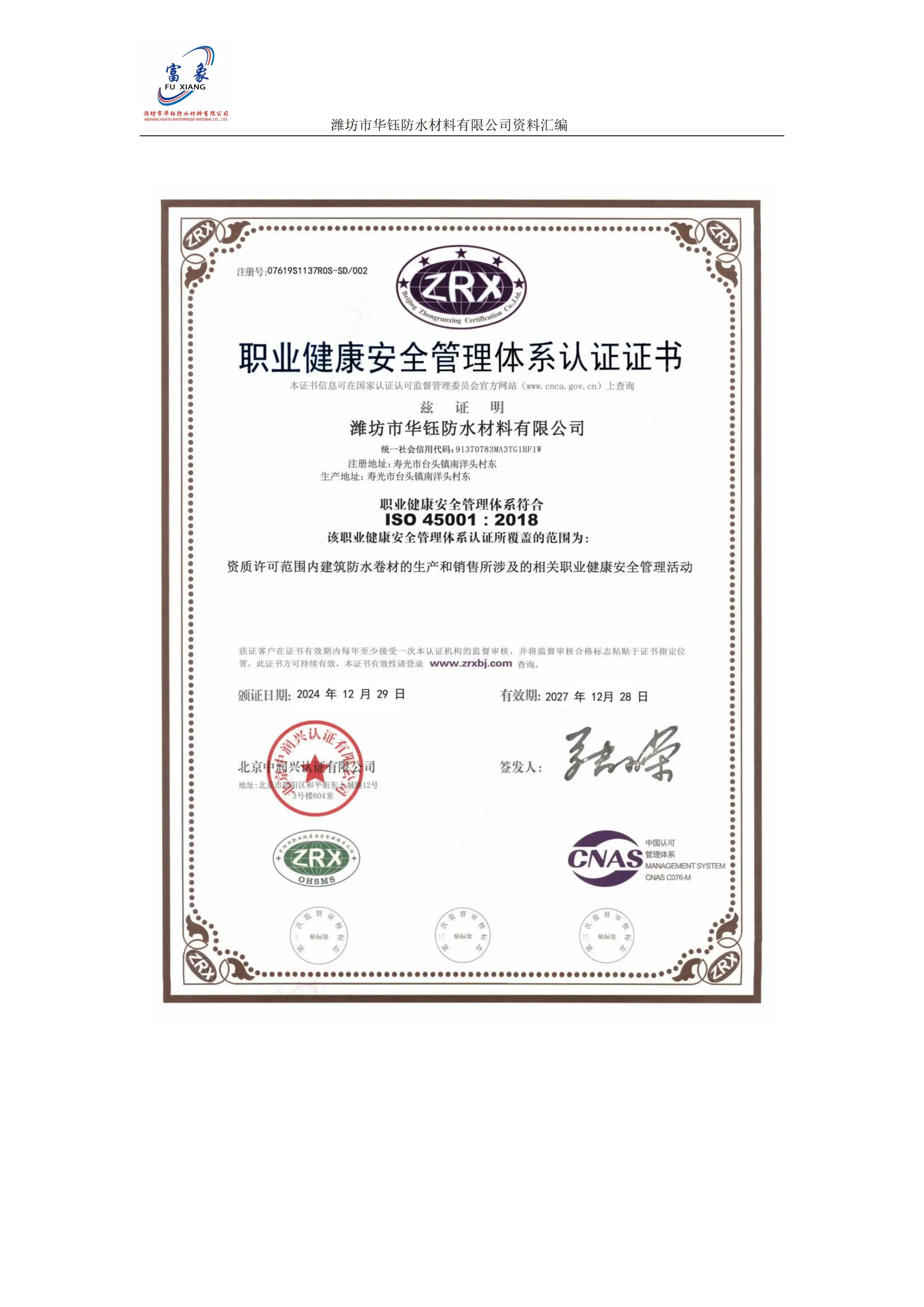
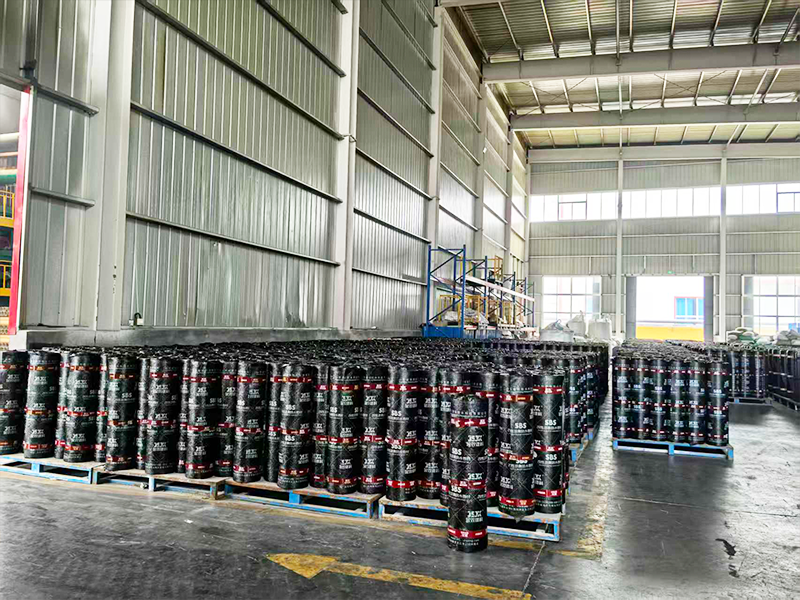
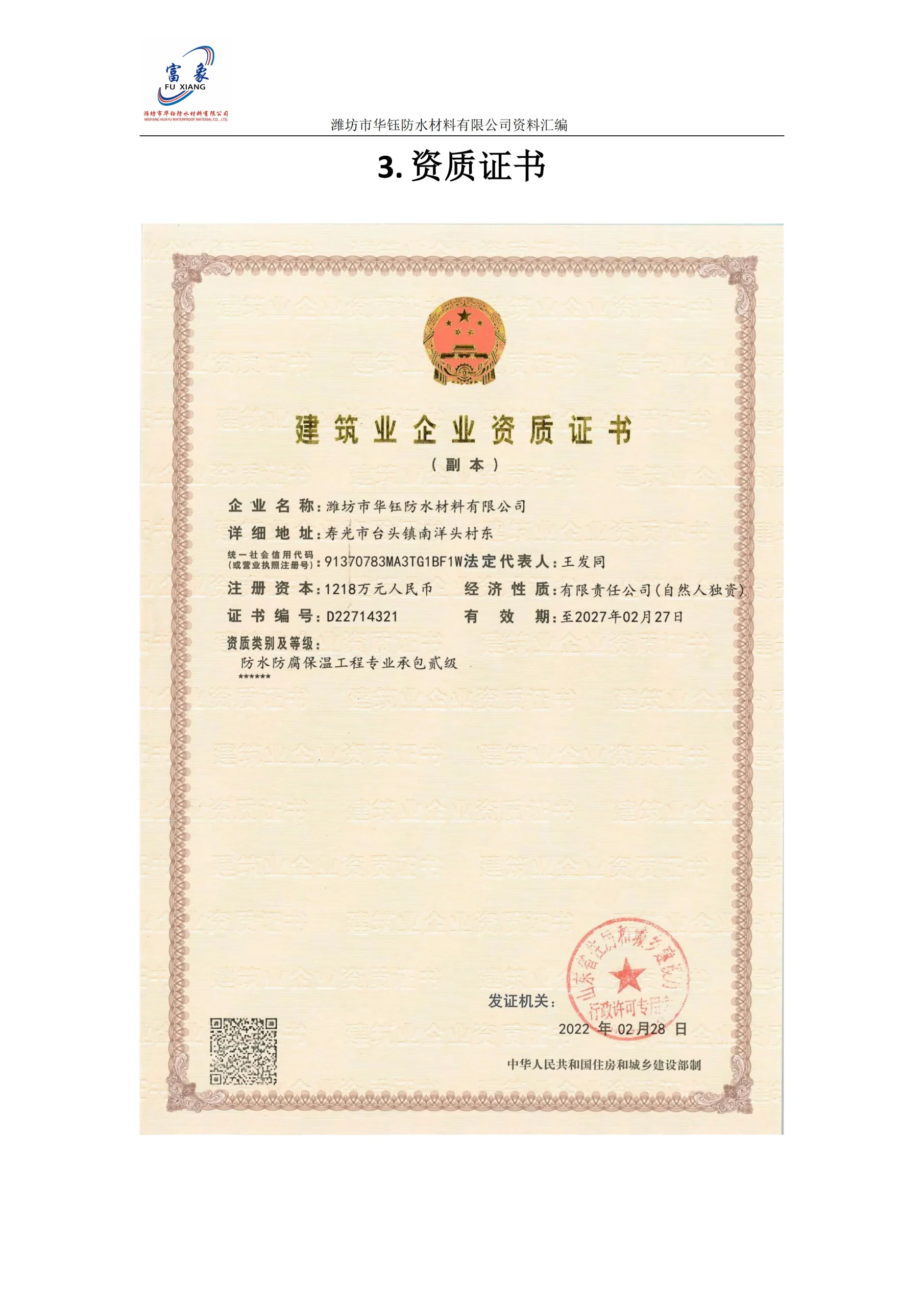
We provide Free Sample Books (A4 size with multi-thickness samples) for qualified commercial buyers.




Since 2020
National Patents Awarded
Premium Asphalt Shingles
Modified Membranes
PE/PP Membranes
SBS & APP Membranes
Let us know what you need