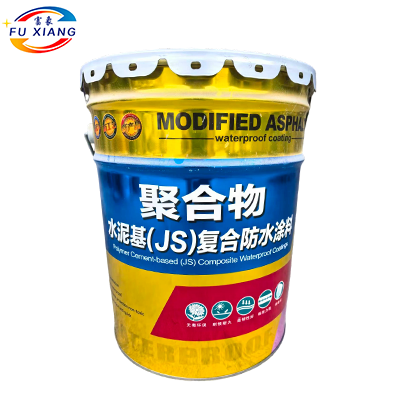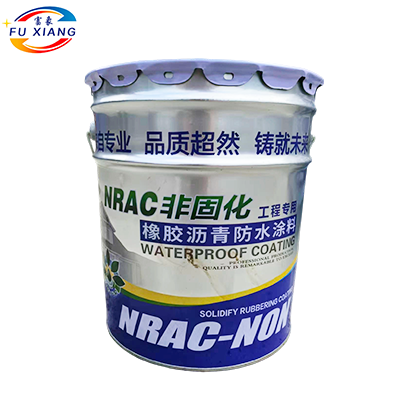

Waterproof Membrane Sheet & Coating for Roof

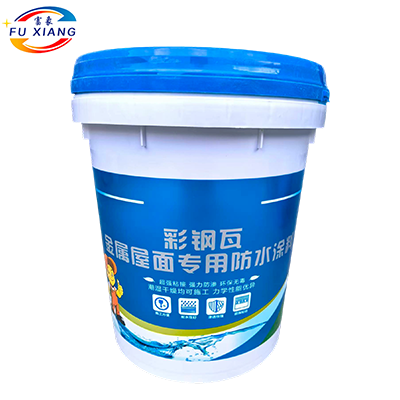
Huayu Waterproof specializes in high-performance roofing waterproof materials, offering an extensive range of premium products including SBS/APP modified bitumen membranes, PVC and PE-PP polymer membranes, self-adhesive membranes, and specialized high-polymer/metal roof waterproof coatings. Engineered with exceptional tensile strength, high elongation, and superior weather and UV resistance, our materials deliver durable moisture protection for all roof designs and materials—including flat, pitched, sloped, and shed roofs, roof decks, concrete, metal, tile, slate, corrugated, asbestos, and timber roofs. As a dedicated material supplier, we provide factory-direct quality assurance, complete stock availability, expert product selection support, and fast fulfillment to ensure a seamless procurement experience.
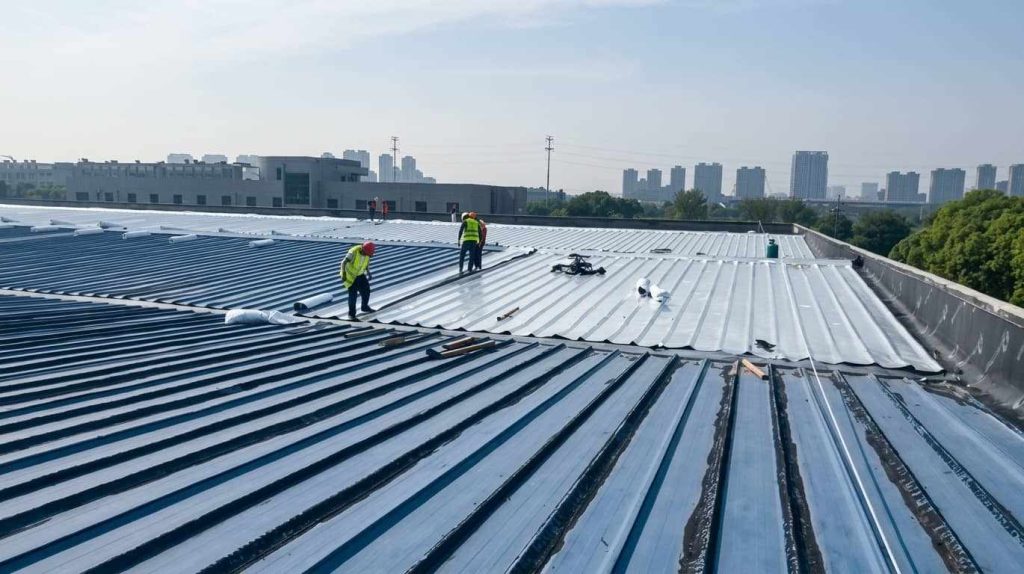
Modified Bitumen Membrane

HUAYU Waterproof Membrane Sheet & Coating for Roof Solutions
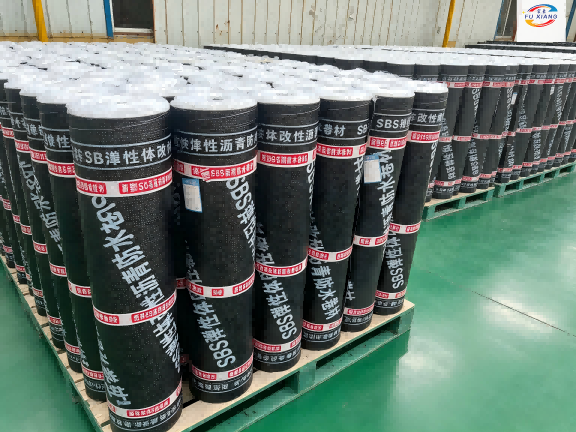
SBS Waterproofing Membrane

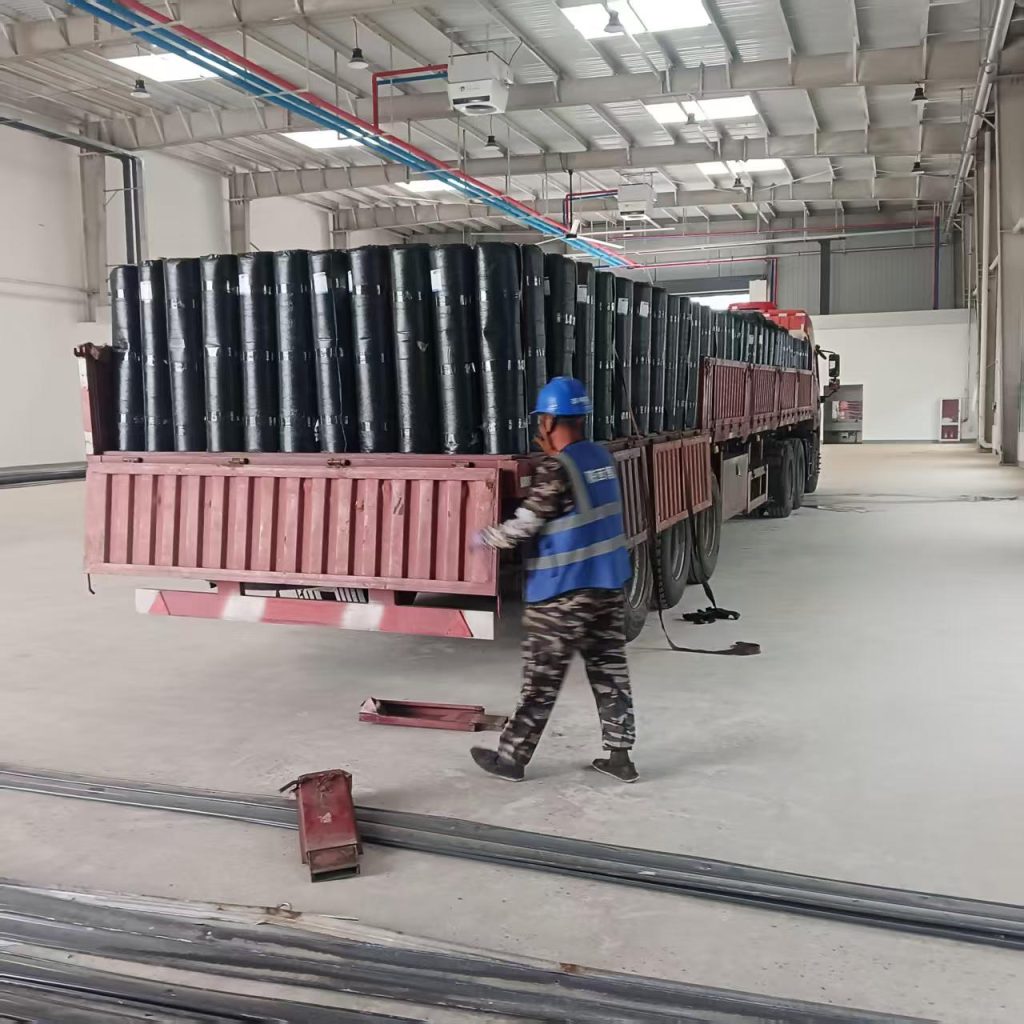
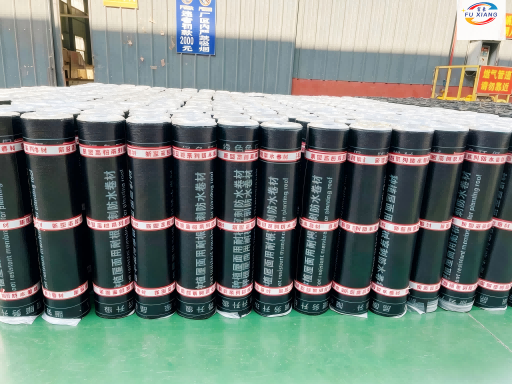
SBS Modified Bitumen Elastomeric Waterproofing roll on Membrane SBS Modified Bitumen Waterproofing Membrane is made using SBS (styrene-butadiene-styrene) thermoplastic elastomer-modified asphalt as the coating material. The carrier can be high-quality polyester mat, fiberglass mat, or glass-reinforced polyester mat. The surfacing materials include fine sand, mineral granules, PE film, and aluminum film. The membrane is produced…

PVC Waterproofing Membrane

PVC Waterproofing Sheet Membrane PVC waterproofing membrane is a high-performance polymer sheet material. It is produced by extrusion using PVC resin as the main raw material, together with plasticizers, UV absorbers, anti-aging agents, stabilizers, and other processing aids. The membrane is available in widths of 1.05 m, 2.05 m, and 2.1 m; thicknesses of 0.8…

APP Waterproofing Membrane

APP Modified Bitumen Plastomeric Waterproofing Sheets Membrane APP (atactic polypropylene) plastic modified asphalt waterproofing membrane uses APP or polyolefin polymers (APAO, APO) modified bitumen as the coating and impregnating material. The carrier can be a high-quality polyester mat, fiberglass mat, or composite mat. The upper surface is finished with release materials such as PE film,…

HDPE/PP Waterproofing Roll

High Density Polyethylene (PE) / PP Self-Adhesive Roll-On Waterproof Membrane PE/PP Composite Waterproofing Membrane is a composite waterproofing material that integrates four layers into one sheet: a reinforced protective layer, an anti-aging layer, a waterproof layer, and an adhesion-enhancing layer. It is made primarily of polypropylene non-woven fabric and polyethylene, with additives to improve performance….
Waterproof Membrane Sheet & Coating for Roof Solutions

Self-adhesive Waterproofing Membrane

Self-adhered Polymer modified bituminous waterproofing sheet membrane Self-adhesive polymer-modified asphalt waterproofing membrane (hereinafter referred to as Type N) is made of synthetic rubber such as SBS, high-quality paving bitumen, and tackifiers as the base material. The upper surface material is PET film, PE film, aluminum foil, or silicone release film, and the lower surface is…

Polymer Modified Bituminous Liquid Waterproofing Membrane

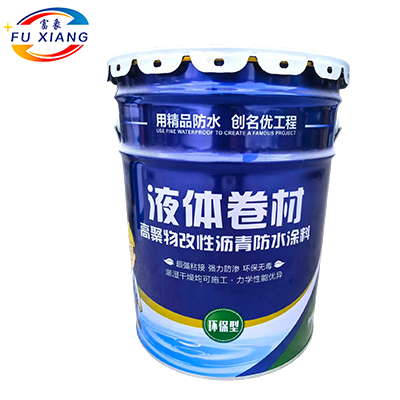
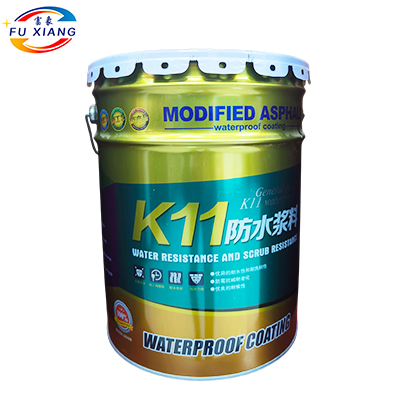
Polymer Modified Bituminous Waterproofing Coating Liquid Waterproofing Membrane for Concrete Infrastructure Basements Roofs This product is a water-based, environmentally friendly waterproof coating produced through a scientific formula using petroleum bitumen as the base material, high-quality rubber as the modifier, natural nano-materials as fillers, and supplemented with polymers. It is non-toxic, odorless, and non-polluting. It can…

What is the best roof coating for shingles and why?

For asphalt or composite shingle roofs, acrylic roof coatings (100% acrylic elastomeric) are widely considered the best choice.

Acrylic coating is a thick, flexible, water-based coating that cures into a seamless, rubber-like protective layer over the shingles. Its high elasticity allows it to expand and contract with the roof during temperature changes without cracking or peeling. It effectively seals around nail heads and seams, bridges fine hairline cracks, and locks in loose granules. Additionally, it offers strong UV resistance to prevent heat aging, while remaining breathable so moisture vapor from the attic can escape without rotting the roof deck.

But Acrylic coatings can re-emulsify if submerged in standing water for long periods, making them ideal strictly for sloped shingle roofs with good drainage. Aged shingles also require a compatible primer first to ensure maximum adhesion.

What Is a Pitched Roof vs. Flat Roof? Structural Differences and Waterproofing Material Selection

Flat Roof

A flat roof has a very low slope, typically between 2° and 5°. It provides extra usable space for terraces or equipment, but its main vulnerability is slow drainage and potential standing (ponding) water.

Pitched Roofs

A pitched roof has a steep slope (usually over 10°). It relies on gravity for fast natural water and snow runoff, drastically reducing water accumulation risks.
FAQ

A pitched roof has a steep slope (typically over 10°) designed for fast water runoff, whereas a flat roof has a minimal slope (usually between 2°and 5°) that creates usable surface space but drains water slowly.

Roof slope determines drainage speed. Flat roofs require materials that withstand continuous standing water without breaking down, while pitched roofs prioritize materials with strong UV protection, elasticity, and slip resistance on inclines.

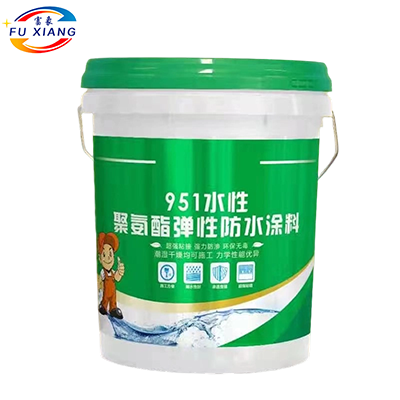
Flat roofs require ponding-water-resistant solutions such as SBS or APP modified bitumen membranes, PVC membranes, and liquid polyurethane waterproof coatings that form a continuous, impermeable seal.

100% elastomeric acrylic roof coatings are ideal for sloped roofs. They offer high flexibility to flex with roof expansion, reflect UV rays to reduce energy costs, and perform exceptionally well where water drains quickly.

No. Water-based acrylic coatings can re-emulsify and break down if submerged in standing water for prolonged periods. They are strictly recommended for sloped roofs with proper drainage.

Self-adhesive modified bitumen membranes and high-polymer synthetic underlayments provide the best leak protection and long-term durability underneath shingles, metal panels, or concrete tiles.